

Rock Pest Control © 2022 All Right Reserved
Millipedes and centipedes frequently get confused for one another because they look alike, but they’re actually quite different. You can’t afford to overlook these differences, not when you’re up against a creepy-crawly like a millipede. What begins as a solo sightseeing trip can rapidly multiply into an unwelcome invasion – and you’re the unhappy host to a millipede or centipede pest issue.
Millipedes and centipedes often find themselves in the same neighborhood, but that’s where the similarities end. Get ready to know the differences between these household critters, covering their bodies, food preferences, dwellings, and how to share your space with them peacefully.
Physical Traits
Body Structure
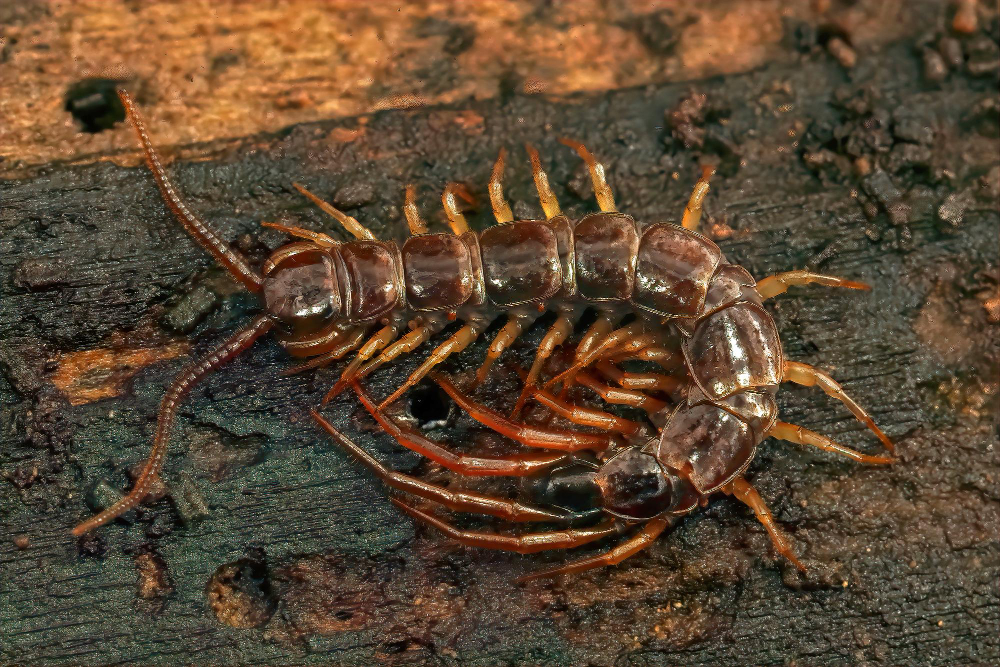
To distinguish millipedes from centipedes, observe their bodies. Millipedes are cylindrical with short legs under their bodies, while centipedes have flatter bodies with legs extending from their sides, giving them a streamlined appearance.
Legs
A key difference is leg count. Millipedes sport two pairs of legs per segment, whereas centipedes have just one. Centipedes generally have fewer but longer legs than millipedes, whose legs are shorter and less noticeable.
Behavior and Habitat
Millipedes
Millipedes are slow movers. They prefer damp environments such as soil, leaf litter, and decaying wood. They feed on decomposing organic material and play a crucial role in breaking it down. Because of their diet and habitat preferences, you are more likely to find millipedes in gardens and forests.
Centipedes
In contrast, centipedes are fast movers and predators. They prefer dark, moist places like under stones, logs, or inside homes where they hunt insects and other small creatures. Centipedes use their venomous claws to capture prey, making them effective hunters. Their diet includes insects, spiders, and other small invertebrates.
Diet and Feeding Habits
What Millipedes Eat
Millipedes are detritivores, meaning they feed on dead plants and organic matter. Their diet consists mainly of decaying leaves, wood, and other plant materials. This feeding habit makes them beneficial to the ecosystem as they help recycle nutrients back into the soil.
What Centipedes Eat
Centipedes are carnivores. They hunt and consume live prey, including insects and small arthropods. Their predatory nature makes them valuable in controlling other pest populations. They use their venom to immobilize their prey before consuming it.
Millipede Control
If you find millipedes becoming a nuisance in your home or garden, there are several methods you can employ for millipede control:
- Reduce Moisture: Since millipedes thrive in damp conditions, reducing moisture levels in your home and garden can help keep them at bay. Fixing leaks and ensuring proper drainage are essential steps.
- Remove Debris: Clear away leaf litter, mulch, and other organic materials where millipedes might hide.
- Seal Entry Points: Check your home for cracks and gaps where millipedes could enter and seal them with caulk.
Centipede Control
For centipede control, consider the following methods to manage their presence in your home:
- Limit Prey: Reducing the number of insects and other small pests in your home will make it less attractive to centipedes.
- Control Moisture: Like millipedes, centipedes prefer moist environments. Use dehumidifiers and fix any water leaks to reduce humidity levels.
- Exclusion: Seal cracks and crevices around your home to prevent centipedes from entering. Ensure that windows and doors fit tightly and install weather stripping if needed.
Innovative Strategies for Millipede and Centipede Management
Understanding the differences between millipedes and centipedes is key for effective management in your surroundings. Millipedes decompose organic matter, while centipedes control pests by hunting insects. Both can be nuisances at home, but proper control methods can keep them at bay. Managing moisture, reducing debris, and sealing entry points help deter these many-legged creatures.
Rock Pest Control is here to help. Our team of experts specializes in the effective management and removal of millipedes, centipedes, and other pests, ensuring your space remains comfortable and pest-free. Don’t let these many-legged intruders take over — contact Rock Pest Control today for a consultation and start enjoying a safer, cleaner home environment.