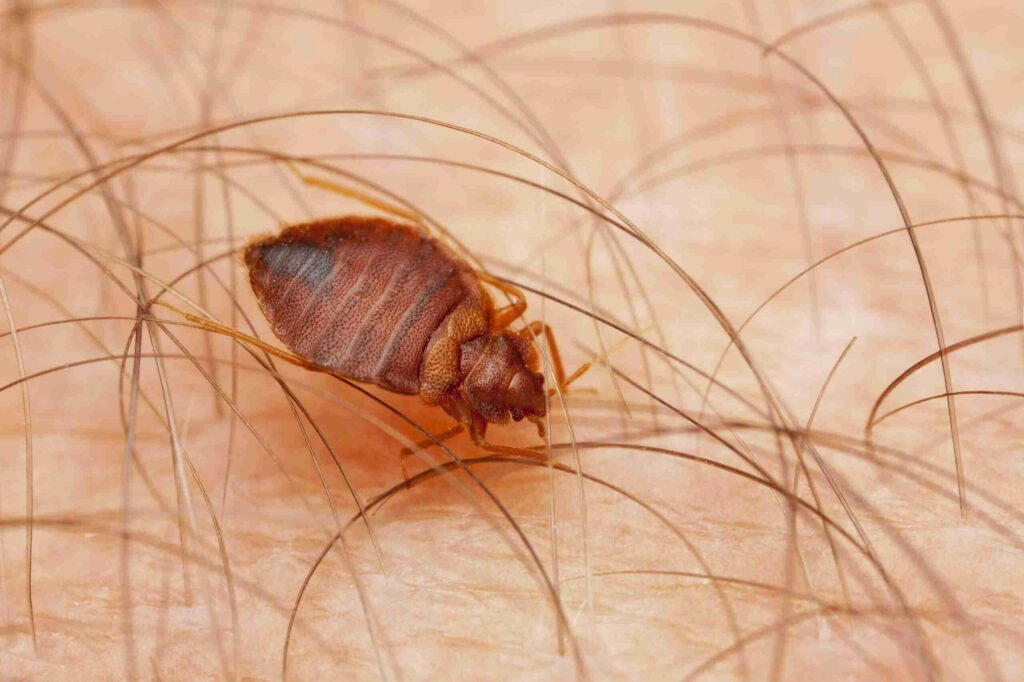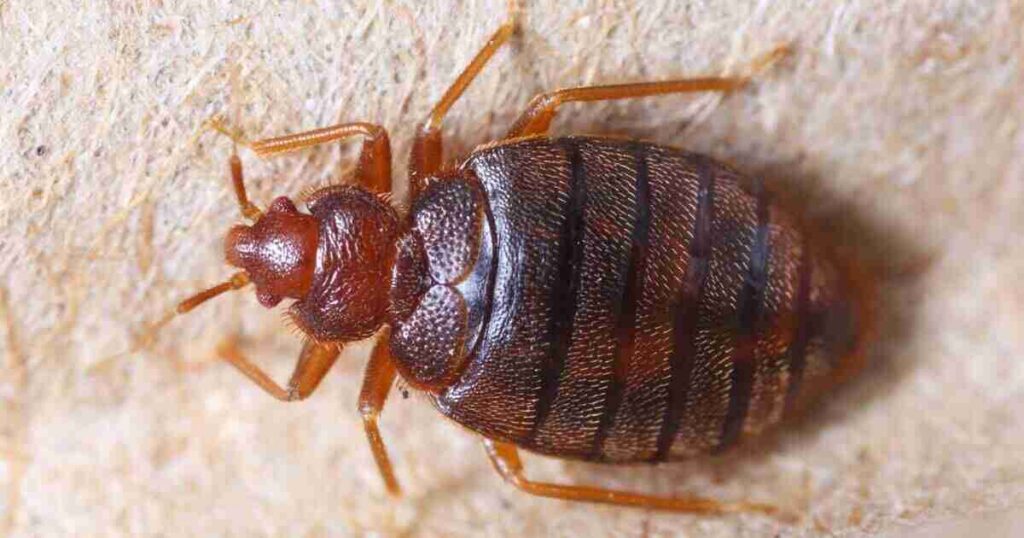
How does heat treatment work to eliminate the growing concern of bed bugs for homeowners? Detecting and eliminating these pesky creatures is challenging, but heat treatment offers one of the most effective solutions.
By raising the temperature to a lethal level, we can successfully eradicate bed bugs. Join us in this blog post as we delve into the effectiveness of heat treatment and the necessary preparations.
Maximizing Effectiveness and Preparation for Bed Bug Heat Treatment
How Does Heat Treatment Work?
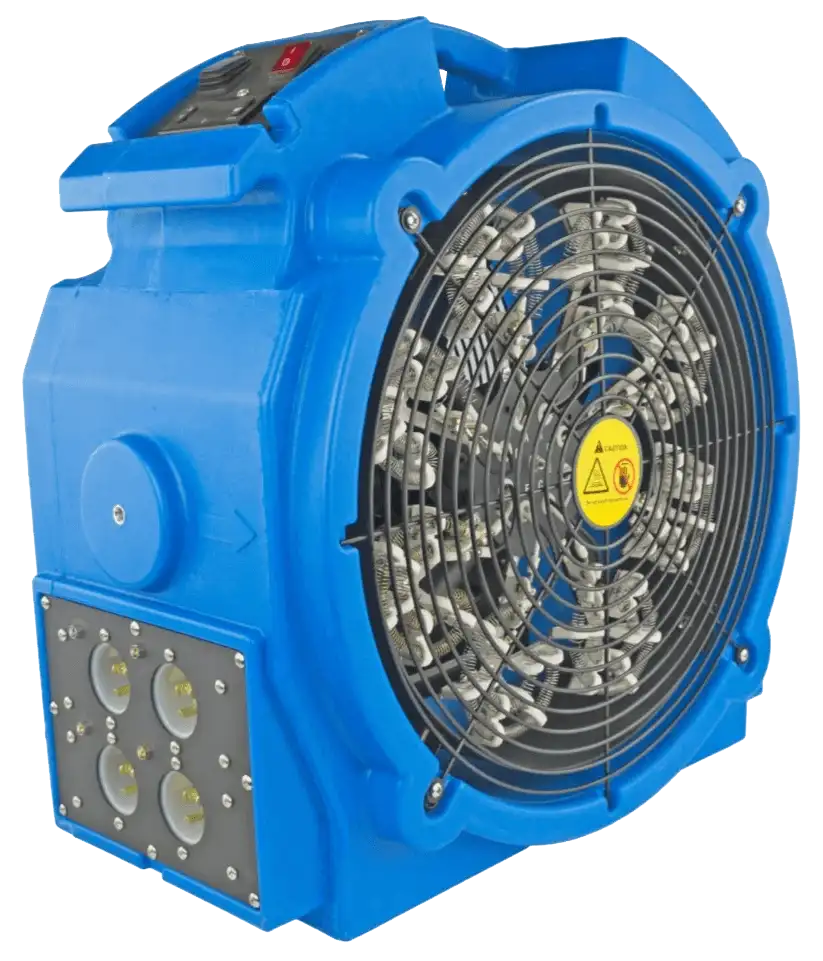
Heat treatment is employed to eliminate bed bugs by increasing the temperature of the affected area to a lethal level. Specially designed heaters are utilized to raise the temperature to around 120-135°F, effectively killing bed bugs in all stages of their life. This method is highly effective as it can reach into even the tiniest cracks and crevices where bed bugs typically hide.
Heat Treatment Methods
To carry out heat treatment, you have two options: DIY or professional services. If you choose to do it yourself, make sure to rent or buy a commercial-grade heat source that can reach at least 120 degrees Fahrenheit. Ensure even distribution of heat in the targeted area.
Professional exterminators use specialized heating equipment with sensors to monitor and evenly distribute heat. Treatment time ranges from 6-8 hours, depending on area size and infestation severity.
Why is Heat Treatment Effective?
Heat treatment is highly effective at killing bed bugs in all life stages, from eggs to adults. It eliminates all bed bugs in just one treatment without the need for multiple sessions. Moreover, bed bug heat treatment is safe for pets and humans, as it is chemical-free and eco-friendly.
Benefits of Heat Treatment
Heat treatment is a superior pest control method, with advantages such as one-time effectiveness, minimal environmental impact, and no bed bug resistance. It also eliminates the need for pre-treatment preparation, making it convenient for homeowners.
What are the Necessary Preparations for Heat Treatment?
Preparation is key for a successful bed bug heat treatment. Here are some essential preparations to follow:
- Remove all clutter and items from the infested area, including bedding, clothes, and furniture. Heat treatment cannot penetrate through objects, so everything must be removed.
- To maintain sanitation, wash all clothing, linens, and fabrics in hot water and dry on high heat for at least 30 minutes.
- To get rid of bed bugs and their eggs, vacuum the entire area diligently, focusing on even the smallest cracks and crevices. Clean the space thoroughly for effective eradication.
- Disable fire alarms and smoke detectors in the affected area, as they may be triggered by the heat treatment.
Must Read :Is Pest Control the same as Exterminator
Title Bed Bug Heat Treatment: A Safe and Eco-friendly Solution
Bed bug heat treatment effectively eliminates bed bugs from your home. This eco-friendly, chemical-free approach is safe for humans and pets, killing bed bugs in all life stages. Proper preparation and following a licensed professional’s instructions are crucial for a successful treatment. Eliminate bed bugs and gain peace of mind.
Rock Pest Control has expert technicians skilled in effective bed bug heat treatments. We assess your home, delivering tailored solutions for the complete elimination of bed bugs and their eggs. Contact us today for a free consultation and to learn more about our services.
Frequently Asked Questions
Does isopropyl alcohol kill bed bugs, young and old?Yes, isopropyl alcohol can kill bed bugs, both young and old. However, it’s important to note that while it may kill the bugs on contact, it is not a long-term solution. Isopropyl alcohol doesn’t effectively kill bed bug eggs or deal with infestations hidden deep within furniture or mattresses. Thus, professional pest control services are often necessary for complete extermination.
How do you handle situations involving patients who have a bed bug issue at home and continue bringing them to the hospital?At our company, we take patient and staff safety very seriously. If we become aware of a patient bringing bed bugs into the hospital, we would first ensure the patient’s room is thoroughly cleaned and treated. We also provide education to the patient and their family on how to effectively treat bed bugs at home. In severe cases, we may need to involve local health departments or pest control services.
Where do bedbugs come from?Bedbugs are typically brought into homes unknowingly in luggage, clothing, used beds and couches, among other items. They are adept hitchhikers and usually come from places where they have easy access to people, like hotels, hospitals, or apartments. They do not originate from the outdoor environment. Once inside, they can quickly spread from room to room or even between dwellings.