
Raccoons are strong enough to tear through weakened vents, soffits, shingles, or other vulnerable areas as they create or enlarge entry points into the home.
Raccoon Removal Kansas City
Scratching. Thumping. Damage.
Why Raccoons Choose Homes
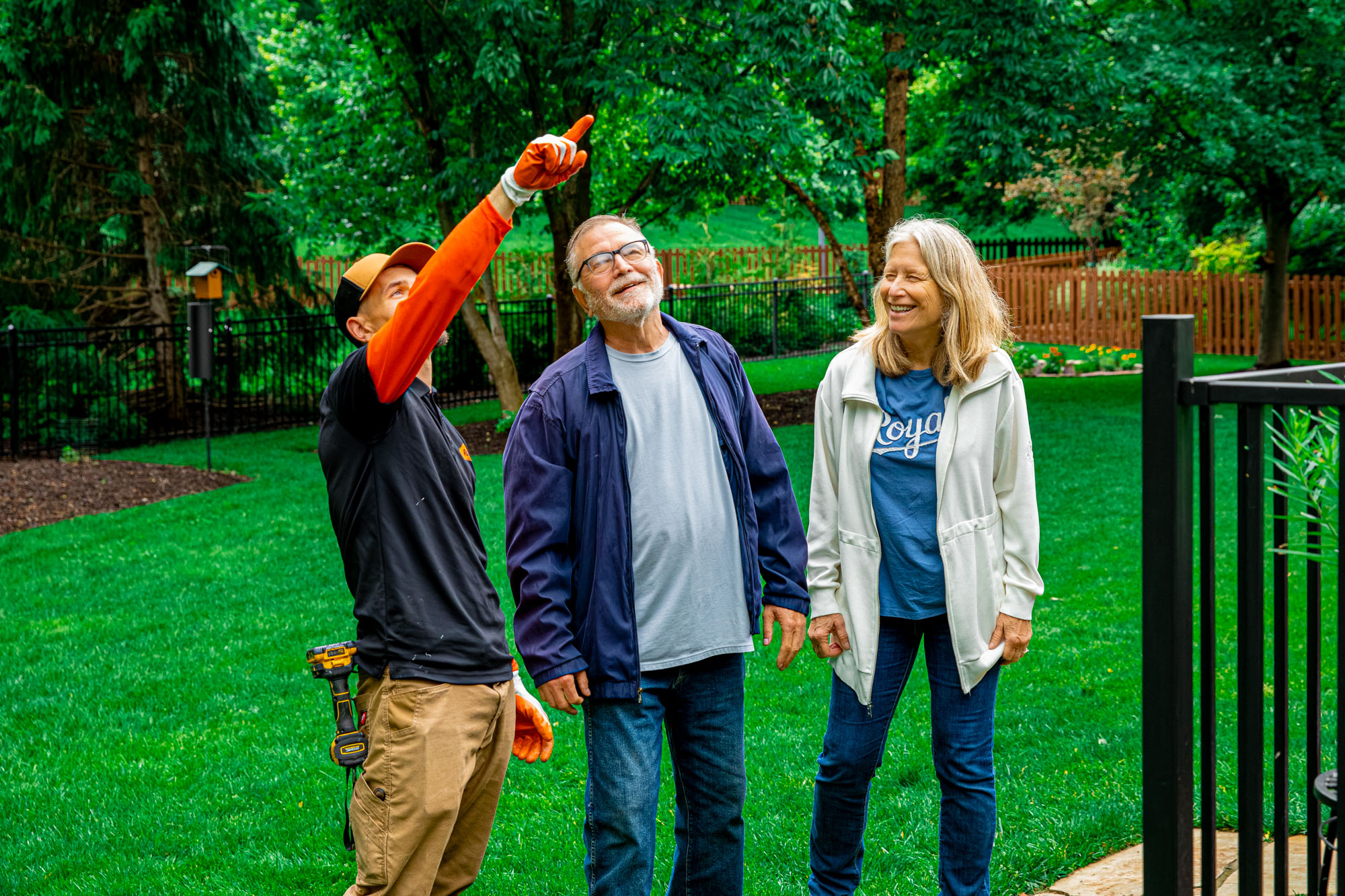
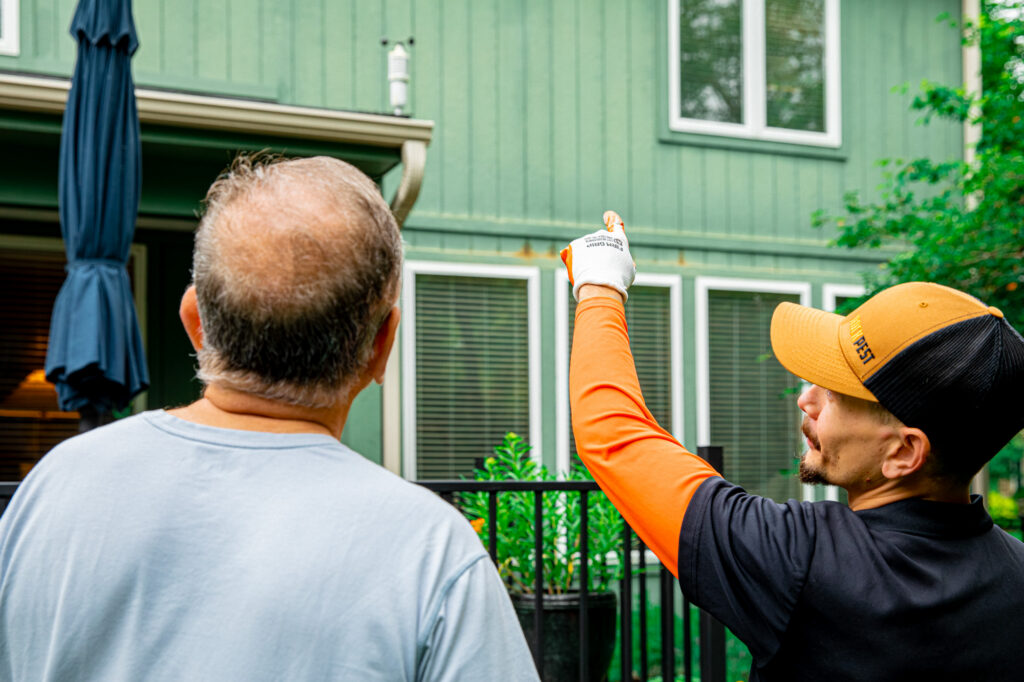
Raccoons are opportunistic animals that look for reliable shelter, easy food, and protected spaces when natural options feel less convenient. Homes can offer all 3 through accessible exterior weak points and nearby food sources. Rock Pest Control technicians identify whether it’s raccoon activity or other wildlife. Then, they’ll inspect and provide you with a plan of action for wildlife removal.
Signs of a Raccoon Problem
-
Ceiling Sounds
-
Torn Vents
-
Entry Damage
-
Nesting Debris
-
Night-time Movements
What Attracts Raccoons
Reliable Food Nearby
Trash access, pet food, bird feeders, or outdoor food sources can keep raccoons returning to the same property.
Shelter Opportunities
Covered spaces like attics, crawl spaces, soffits, and protected exterior areas can appeal to raccoons looking for security.
Seasonal Nesting
During nesting season, raccoons may search more aggressively for stable, protected places to raise their young.
Common Areas of Raccoon Activity
Attic Corners
Raccoons often settle in quiet attic areas where they can stay protected and out of sight during the day.
Roof Vents
Damaged or loosened vent areas can become access points when raccoons push, pry, or work their way into weak spots.
Soffit Runs
Soffit spaces can hide movement and damage, especially when raccoons find a gap near the roofline.
Crawl Spaces
Lower protected areas can attract raccoons when they offer shelter, darkness, and limited disruption.
Under Decks
Covered deck areas can give raccoons a place to hide, rest, or nest close to the home.
When raccoons spend time inside attics or crawl spaces, droppings, urine, and nesting debris can create larger sanitation concerns.
Raccoons may become more aggressive when cornered or protecting young, which can increase safety concerns around active nesting areas.
Once raccoons find a workable entry point, that same weak area may stay vulnerable to future raccoon or wildlife activity until it’s properly addressed.
Get Your Pest
Control Plan
Fast, easy, and no-hassle service. Get reliable pest control in Kansas City from a team that shows up for you.

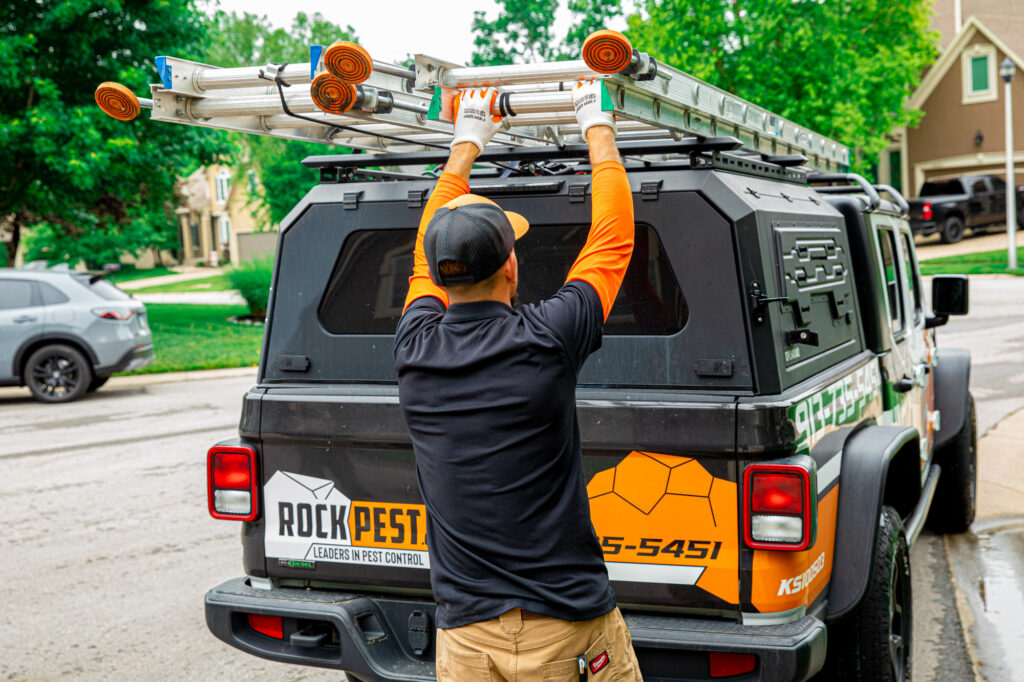
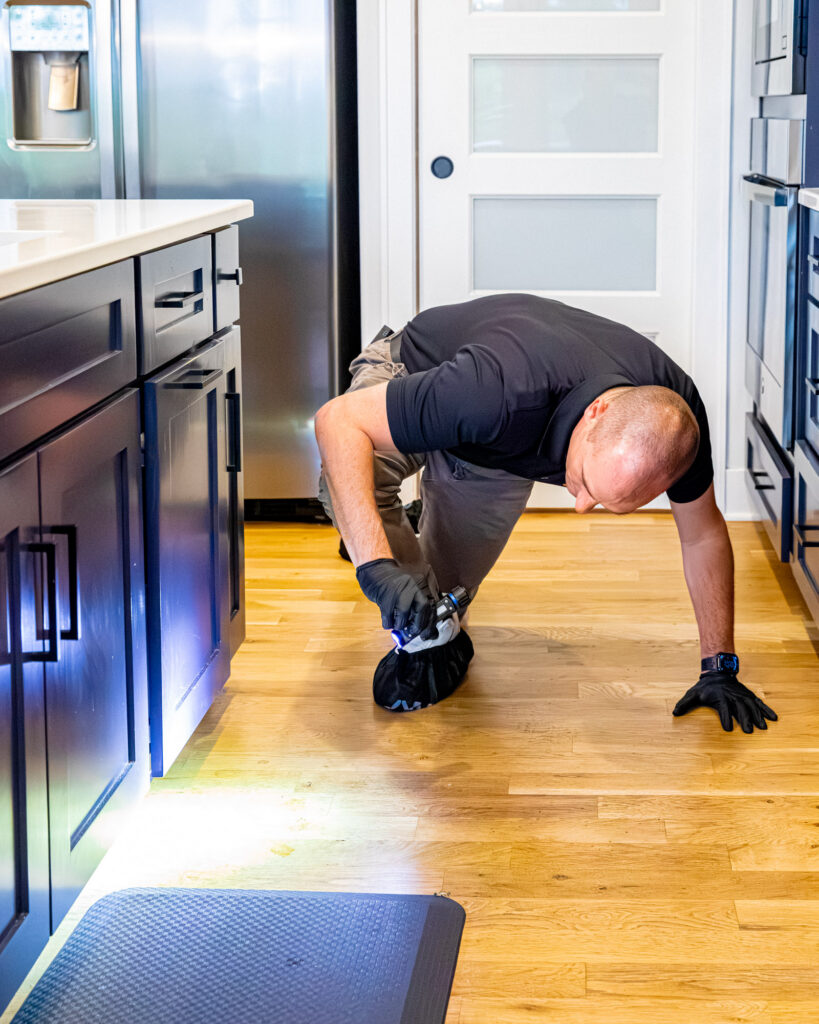
Rock Pest Control technicians start by checking primary entry points, secondary openings, nesting areas, and signs of damage or contamination. Our team also confirms whether babies are present, because season and nesting conditions directly affect how removal needs to happen.
Depending on the situation, our team may use cameras, traps, one-way doors, or eviction methods to remove raccoon activity the right way. Once we address the raccoons, we’ll seal vulnerable openings and reinforce damaged areas to help prevent future access.

Raccoons
Frequently Asked Questions
Beyond the visible entry point, raccoons can shift insulation, disturb stored materials, damage interior spaces, and create costly cleanup or repair needs. Rock Pest Control provides raccoon removal in Kansas City with a focus on identifying activity early and preventing additional structural damage.
Seeing raccoons outdoors does not always mean your home has an active wildlife problem, especially if they are not nesting or causing damage.
If you’re worried raccoon activity is moving beyond the yard and closer to your home, Rock Pest Control can help determine whether scheduling raccoon removal in Kansas City is actually necessary.
The timeline depends on what our team finds during the inspection, including access points, nesting conditions, and whether babies are present. If you need raccoon removal in Kansas City, our team may require multiple visits over several days to handle the problem thoroughly and completely.
Take Back
Your Home
Get reliable pest control in Kansas City from a team that shows up, follows through, and keeps your home protected year-round.