
Squirrels chew constantly, and electrical wiring can become a serious concern when activity reaches attic or wall spaces.

Squirrel Removal Kansas City
Small Paws, Big Damage
How Squirrels Find a Way
Squirrels are persistent, agile animals that often start by exploring elevated parts of the home while searching for shelter or nesting space. Small structural weaknesses can become opportunities once squirrels begin testing them. Rock Pest Control helps homeowners determine when squirrel activity is present and gets to work removing the wildlife.
Signs of an Ant Problem
-
Running Sounds
-
Chew Marks
-
Insulation Mess
-
Morning Activity
What Attracts Squirrels
Nearby Tree Access
Branches that reach or overhang the home can make upper exterior areas easier for squirrels to reach, explore, and revisit.
Shelter Seeking
When weather changes or nesting needs increase, squirrels may look for more protected spaces than trees alone can provide.
Exterior Weak Spots
Aging materials or small vulnerable areas around upper levels can attract squirrels’ attention when they’re looking for access.
Where Squirrels Like to Settle
Attic Edges
Squirrels often stay near attic edges where they can nest close to entry points while staying protected from weather and daily disruption.
Soffits & Fascia
These upper exterior transition points are common problem areas when squirrels find chewable or weakened materials they can work through.
Vent Areas
Roof and attic vents can become vulnerable when covers loosen, weaken, or create accessible openings that squirrels can exploit.
Roof Peaks & Valleys
Complex rooflines, multiple peaks, and sheltered roof transitions create protected areas squirrels use while testing or entering the structure.

Chewing can widen small weak points in wooden structures that support the home and create more damage around upper exterior areas.
Squirrels moving through attic spaces can disturb insulation, compact materials, and leave messes behind.
Get Your Pest
Control Plan
Fast, easy, and no-hassle service. Get reliable pest control in Kansas City from a team that shows up for you.
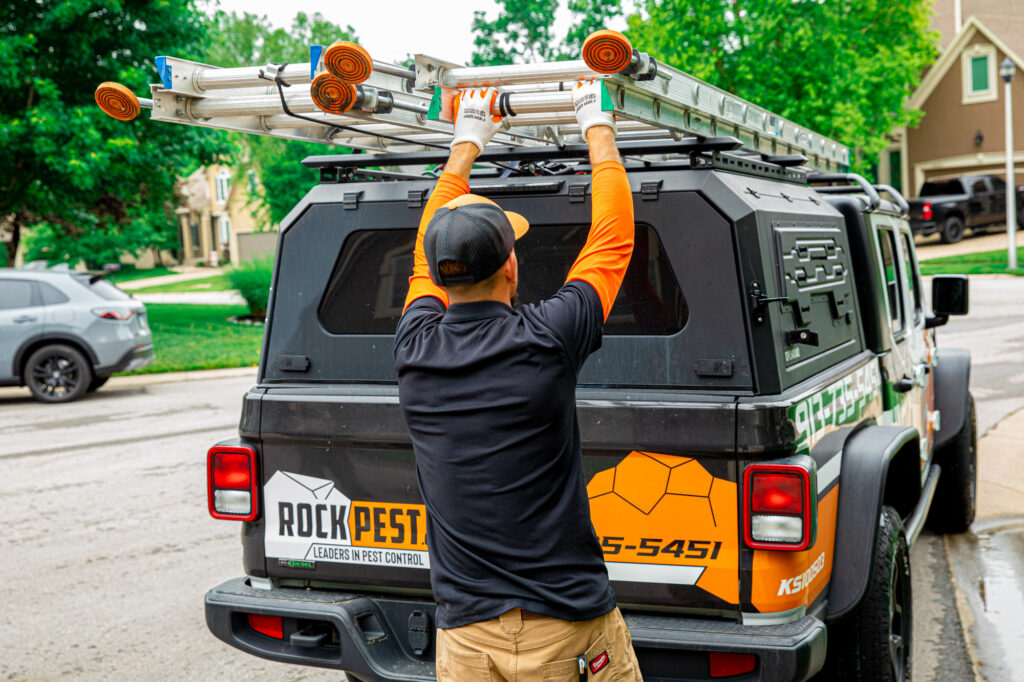
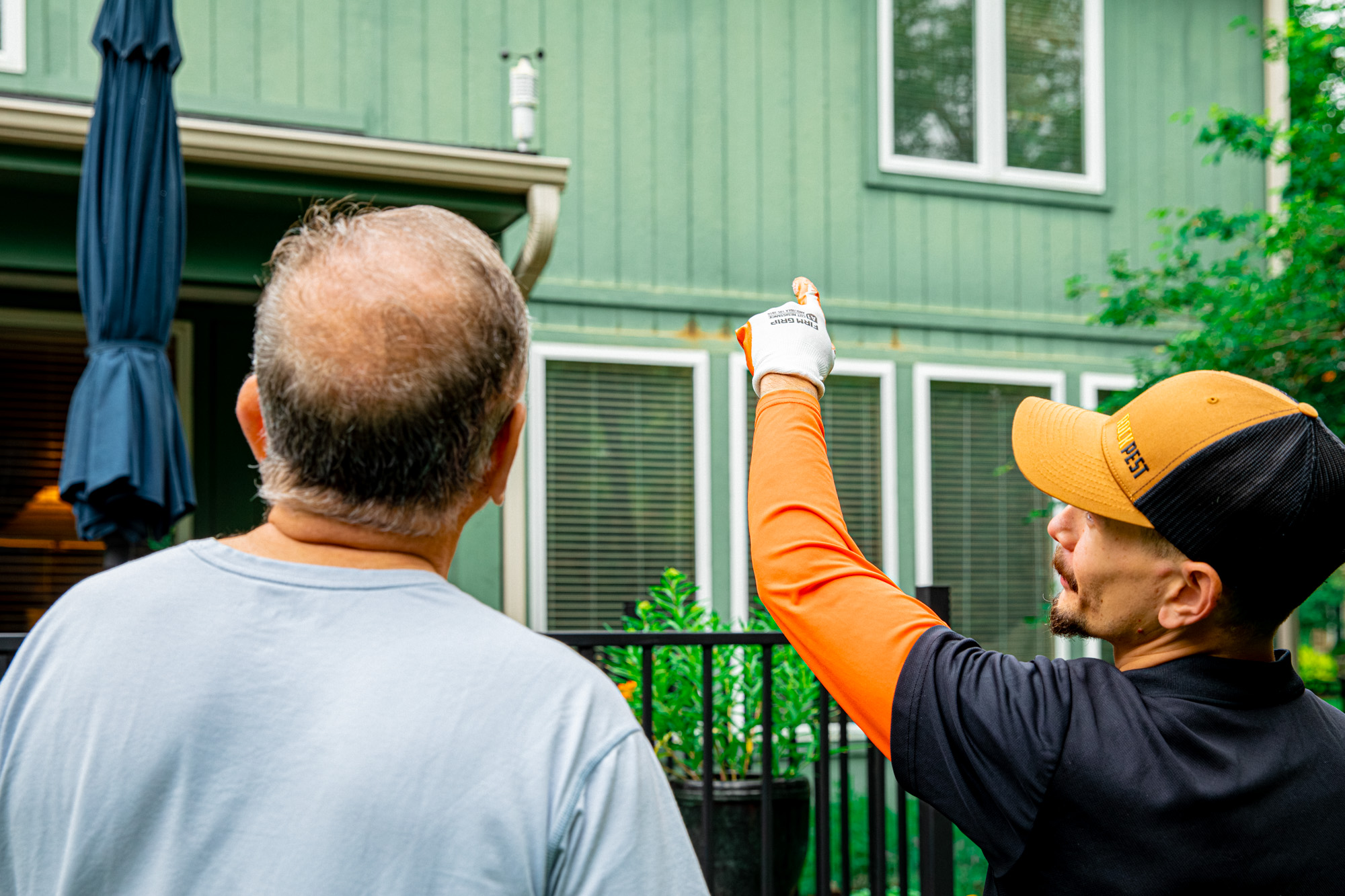
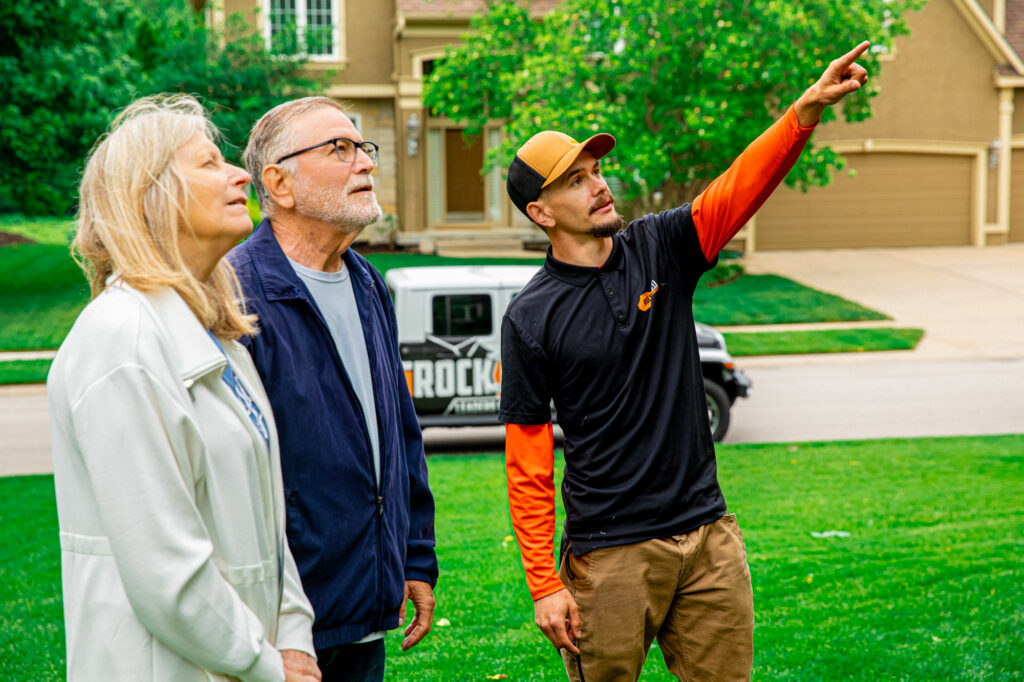
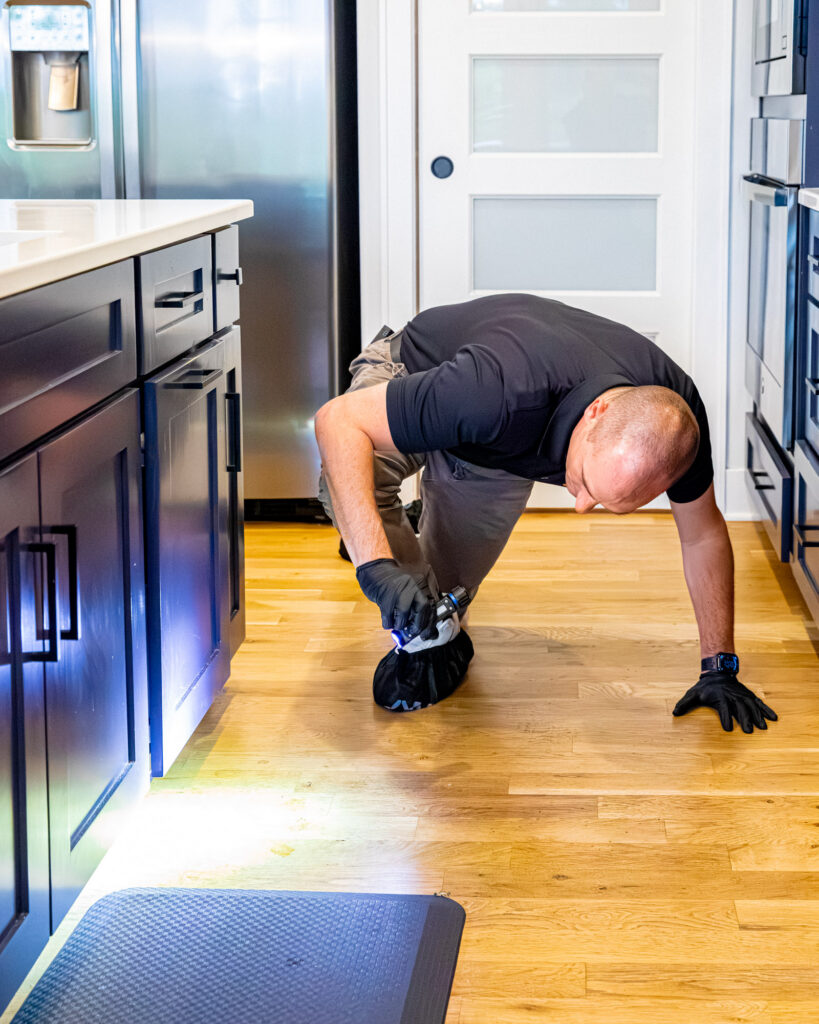
Rock Pest Control technicians identify how squirrels are getting in, where they’re nesting, and what damage they may already be causing. Our team also checks for seasonal nesting conditions, including baby squirrels, because those details directly shape the safest and most effective removal plan.
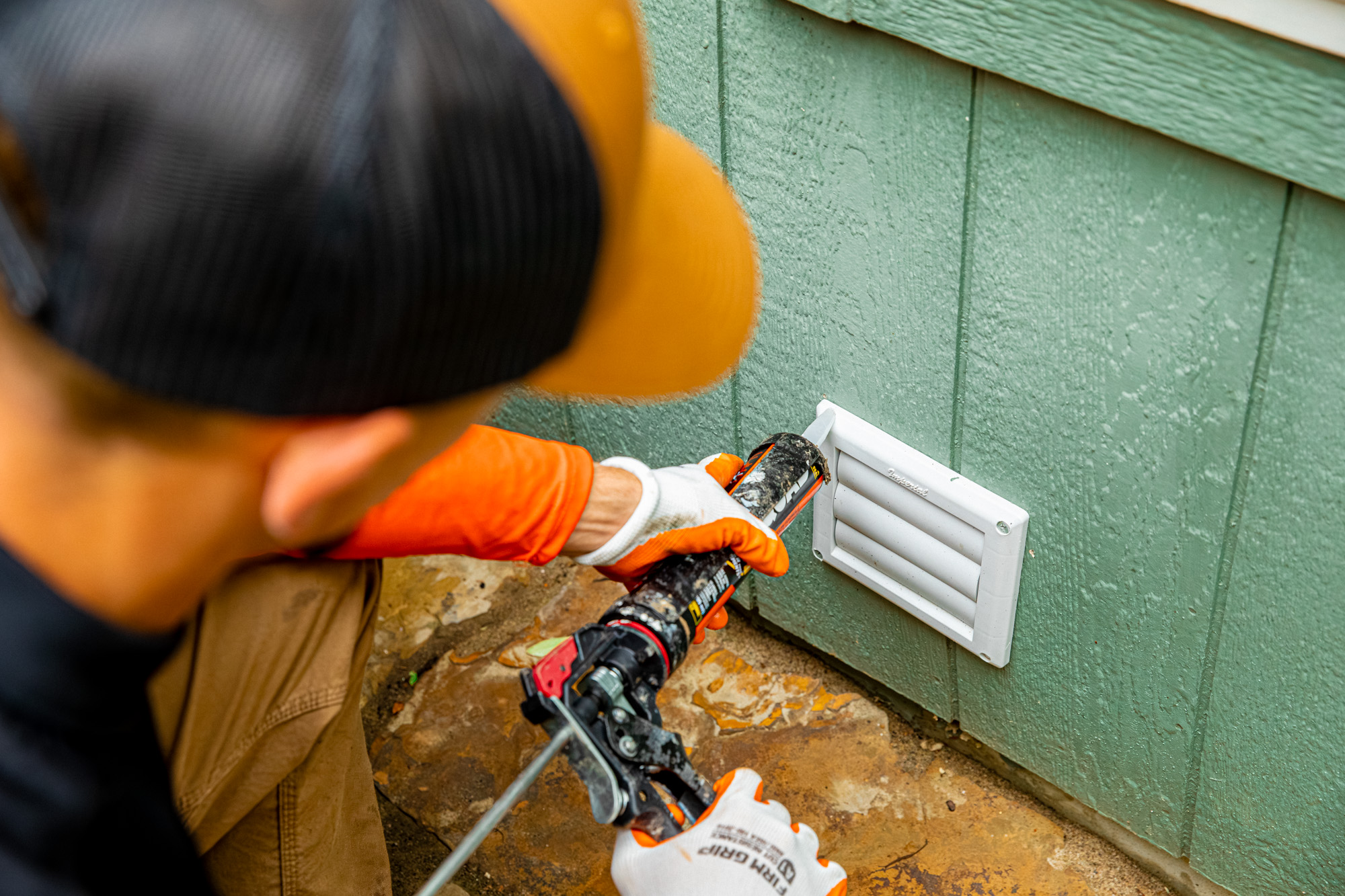
We use the most appropriate removal method for the situation, which may include monitoring tools, trapping, or one-way doors. After removing the squirrels, our team seals access points and reinforces vulnerable areas to help keep them from coming back.


Squirrels
Frequently Asked Questions
We do not recommend service when squirrels are only in the yard and there are no signs they’re entering the home. If you’re noticing roofline holes, morning activity in the attic, or squirrels repeatedly moving into the structure, Rock Pest Control can help determine whether our services for squirrel removal in Kansas City are actually necessary.
Most squirrel jobs take 2 to 4 visits, with activity often resolving in 3 to 7 days once the right plan is underway. If you need squirrel removal in Kansas City, Rock Pest Control first evaluates entry points, nesting areas, activity timing, and whether babies are present so the process follows the safest and most effective squirrel removal process.
Avoid disturbing the area and pay attention to when the sounds happen, especially if you hear movement in the early morning or evening. If you’re looking for squirrel removal in Kansas City, Rock Pest Control technicians can inspect the attic, confirm whether you’re dealing with a squirrel infestation, and determine how to get rid of squirrels without leaving hidden access points behind.
Take Back
Your Home
Get reliable pest control in Kansas City from a team that shows up, follows through, and keeps your home protected year-round.