Not every barn bat is a problem
Bats in barns eat insects, but droppings on feed, stalls and equipment are another story.
Droppings.
Guano on feed, tack and equipment is the main issue.
Animals.
Keep livestock and pet rabies vaccines current.
Open buildings.
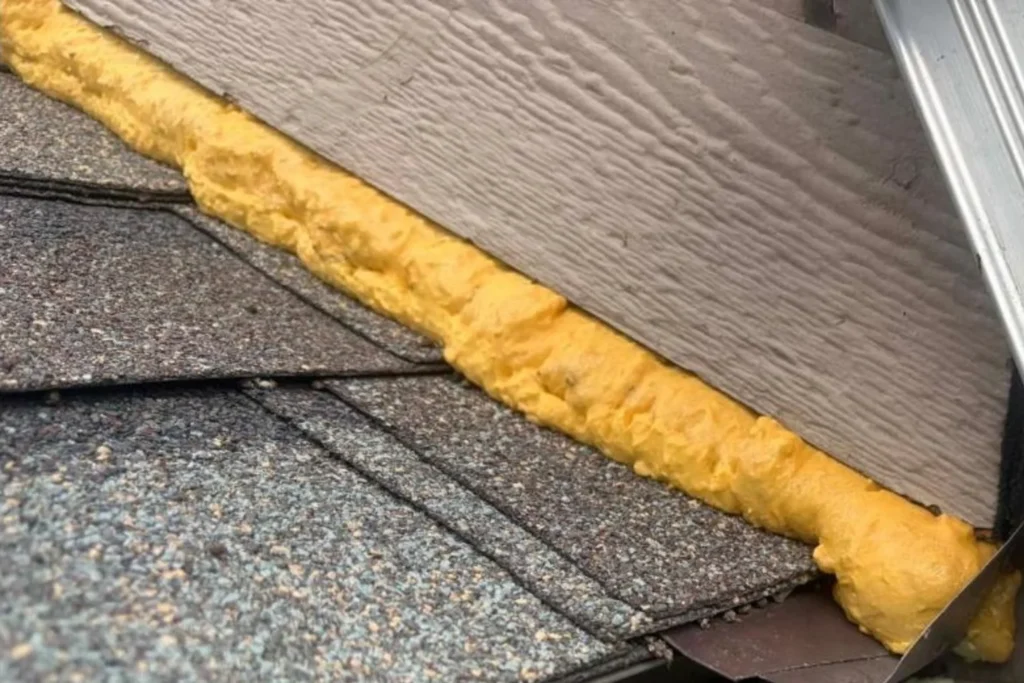
Exclusion is harder, but roosts can be closed off.
Bats in barns, sheds and outbuildings are common around Kansas City. Barns offer high, dark rafters, and bats can come and go through open doors, vents and gaps in the siding. Many owners don’t mind a few bats eating insects at night. Problems start when guano piles up on feed, hay, stalls, workbenches or equipment.
Are bats in a barn a problem?
It depends on how the building is used. A few bats in an empty pole barn may not cause trouble. Bats become a problem when:
- Guano lands on feed, hay, tack or stored equipment
- Droppings pile up in stalls or work areas where people breathe the dust
- Bats roost in an outbuilding attached to or near your house
- Bats get into an office, apartment or finished space in the building
Built-up guano can grow the fungus that causes histoplasmosis, which is a concern when cleaning stalls or sweeping floors.
Are bats dangerous to horses and livestock?
Any mammal can get rabies, and bats are one of the main sources of rabies in Kansas. Talk to your vet about rabies vaccines for horses, livestock and barn cats, and call your vet if an animal is found with a bat or acting strangely. Never let children handle a bat found in a barn. See whether bats carry rabies.
How do you get bats out of a barn?
Bats are protected wildlife in Kansas and Missouri, so they’re removed with exclusion, not poison or traps. In a closed outbuilding, the process is the same as a house: seal the backup gaps, install one-way doors, also called bat cones, on the main exits and seal the last openings once the bats are gone. In summer, that usually takes 10 to 14 days. See bat exclusion.
Open barns with large doors and open eaves are harder to fully exclude. In those cases, the goal is often to close off the specific roost, like a soffit, wall cavity or enclosed loft, so bats can’t use it. Timing still has to account for pups in summer.
How do I clean bat droppings in a barn?
Don’t sweep or blow dry guano. Lightly mist it first, wear gloves and a well-fitted respirator, and bag it. For large amounts in a loft or enclosed space, professional cleanup is safer. See bat guano cleanup.
Our wildlife team takes care of bats in barns and outbuildings, along with rat problems on farms, across the Kansas City area and about 50 miles out. The first wildlife inspection is usually free.
Bats in your barn or shed? Call 913-735-5451, answered 24/7, or schedule online. Most services can be scheduled same day.
Frequently Asked Questions
If guano is landing on feed, stalls or equipment, or bats are getting into finished spaces, yes. A few bats in an empty barn may not cause trouble.
Bats can carry rabies, which any mammal can get. Talk to your vet about vaccines and call them after any contact.
Closed buildings can be fully excluded. In open barns, the usual approach is closing off the specific spaces bats roost in.
Built-up guano can grow the fungus that causes histoplasmosis. Mist it before cleaning and wear a respirator.
Yes. Our wildlife team handles barns and outbuildings across the Kansas City area and about 50 miles out.