
Bats out first, then cleanup
Bat guano cleanup works best once the colony is gone and the house is sealed.
Quoted per attic.
The amount of guano varies a lot from one attic to the next.
Odor treatment.
Deodorizing tackles the ammonia smell from urine.
Sanitize at the end.
Sanitizing and bat mite treatment come once the bats are out.
Bat guano cleanup is the work of removing bat droppings and urine from an attic or wall space, treating the odor and sanitizing what’s left. When a colony has used the same attic for years, the guano can pile up deep in the insulation and soak into the wood.
Cleanup is an add-on to bat exclusion, and it’s quoted after we see the attic. Here’s how it works, what affects the price and when it makes sense.
Why does bat guano need to be cleaned up?
Getting the bats out stops new guano, but the old guano doesn’t go anywhere. Left in place, it can cause a few problems:
- Odor. Urine and guano give off a strong ammonia smell, especially in hot weather. See bat smell in the house.
- Health risk. Built-up guano can grow the fungus that causes histoplasmosis, a lung infection people can get by breathing in spores when droppings are disturbed.
- Damage. Urine and droppings soak into insulation, stain drywall and can break down wood over time.
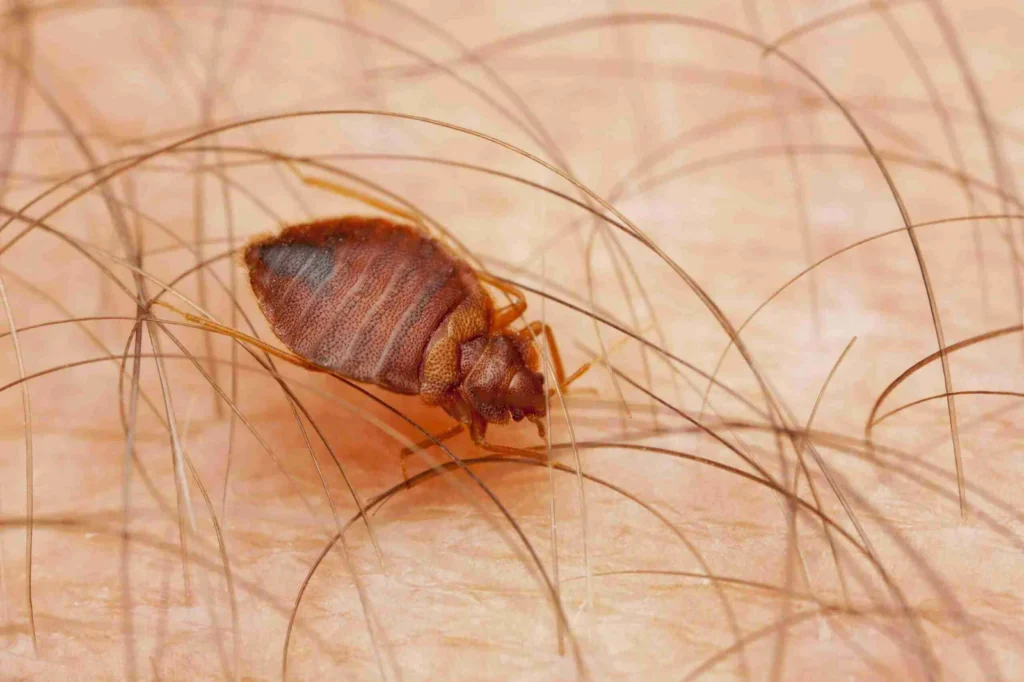
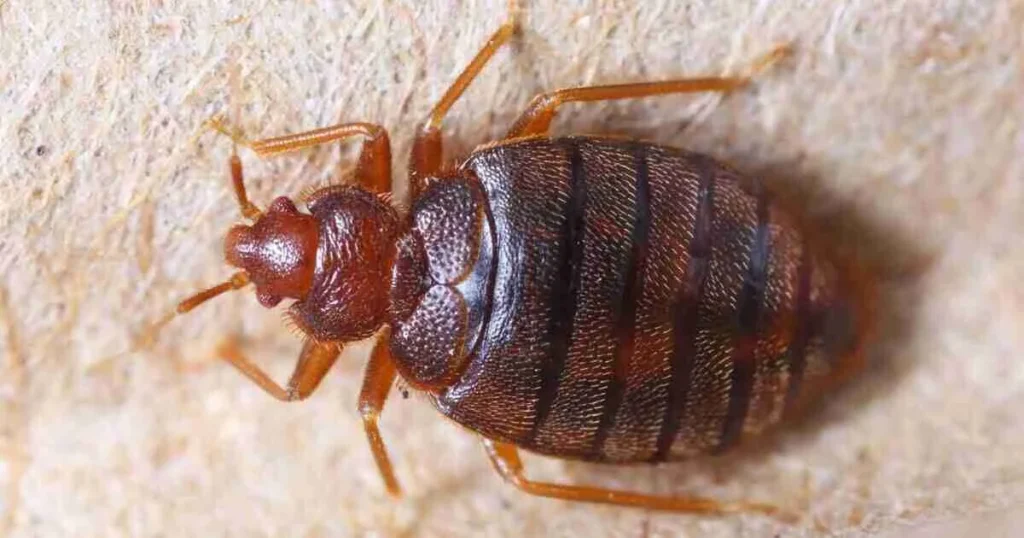
- Pests. Bat mites and other parasites can stay behind after the bats leave, and guano can draw insects.
What does bat guano cleanup include?
Every attic is different, so cleanup is built around what we find. Options include:
- Guano removal. Removing droppings from the insulation, rafters and attic floor.
- Odor treatment. Deodorizing to deal with the ammonia smell from urine and guano.
- Ectoparasite treatment. Treating the attic for bat mites and other parasites once the bats are gone.
- Sanitizing. A sanitizing treatment at the end of the job.
- Insulation removal and replacement. For insulation that’s heavily soiled, removing it is often the only way to get rid of the smell for good. See bat damage to insulation.
When does cleanup happen?
Cleanup is timed with the exclusion. Most of the cleanup happens on the first visit, when we seal the house and install the bat cones. Any final cleanup happens on the last visit, once we’ve confirmed the bats are gone.
The ectoparasite treatment and sanitizing are always done at the very end, after all the bats are out. Treating while bats are still roosting would just let them bring mites and droppings right back. Read about how long bat removal takes.
How much does bat guano cleanup cost?
Bat guano cleanup is quoted separately from the exclusion because it varies so much. A colony that moved in recently may leave only a few droppings. A colony that has used the same attic for years can leave large piles soaked into the insulation.
Things that affect the price include:
- How much guano there is and how far it’s spread
- Whether insulation needs to be removed and replaced
- How easy the attic is to reach and move around in
- Whether odor treatment, ectoparasite treatment and sanitizing are added
A typical bat removal and exclusion job averages around $950, not including cleanup. After the free inspection, you get a detailed report with photos and a written estimate that lists the cleanup separately. See our bat removal cost guide.
Can I clean up bat guano myself?
For a few droppings on a porch or windowsill, yes, with care. CDC and NIOSH guidance comes down to keeping dust down and protecting your lungs:
- Lightly mist the droppings with water first
- Wear disposable gloves and a well-fitted respirator, at least an N95
- Scoop or wipe up the damp droppings and bag them
- Wash your hands and clothes afterward
For guano built up in attic insulation, professional cleanup is the safer choice. Sweeping, vacuuming with a regular shop vac or tearing out insulation can put spores in the air. Anyone with a weakened immune system should stay away from the area.
What about dead bats in the walls?
Sometimes bats die in wall cavities, especially if gaps were sealed at the wrong time. A single dead bat usually smells for a week or two before it dries out. If the smell is severe, our wildlife team can open the wall and remove dead animals, including bats. We don’t do drywall repair, so a contractor would patch the opening.
Do I need cleanup if the bats were only there a short time?
Not always. If the inspection shows only a small amount of guano, cleanup may not be worth it. We’ll tell you what we see in the report and you can decide. The bigger and older the colony, the more likely cleanup and insulation replacement will be needed. Learn more about bat guano.
Guano in the attic? Call 913-735-5451, answered 24/7, or schedule online. Most services can be scheduled same day.
Frequently Asked Questions
It’s quoted per attic because the amount of guano varies so much. You get a written estimate after the free inspection, listed separately from the exclusion.
No. Guano cleanup, odor treatment, ectoparasite treatment and sanitizing are add-ons quoted separately.
Most cleanup happens on the first visit. Any final cleanup, plus the sanitizing and bat mite treatment, happens on the last visit after the bats are gone.
Yes. Heavily soiled insulation can be removed and replaced, which is often the only way to fully get rid of the odor.
Removing the guano and soiled insulation and adding odor treatment removes the source of the smell. Air fresheners only mask it.
It can be. Disturbed guano can release spores that cause histoplasmosis, so large amounts are best left to professionals with proper protection.
They can. That’s why an ectoparasite treatment is offered at the end of the job, once all the bats are out.
Most of it is removed on the first visit, but the final cleanup and sanitizing wait until the bats are out so the attic stays clean.