Close every door
Bat proofing means sealing every gap a bat could use, not just the one you saw.
Check first.
Never seal with bats inside.
Small gaps count.
Seal openings of 1/4 inch or more.
Whole roofline.
Bats use the gap you missed.
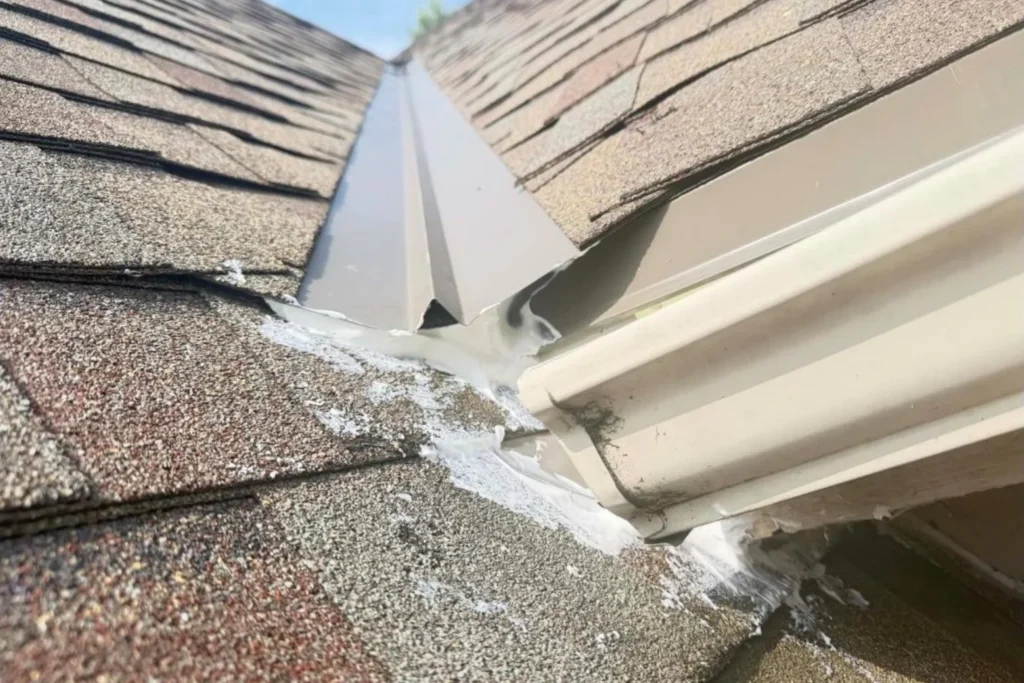
Bat proofing is sealing the gaps bats use to get into a house so they can’t move in, or can’t come back after they’ve been removed. Because bats can fit through a gap about 1/4 to 1/2 inch wide, bat proofing is about finding and closing a lot of small openings, mostly high on the roofline.
Done at the right time, bat proofing is the most reliable way to keep bats out for good.
When is it safe to bat proof?
Only when no bats are inside. Sealing a house with bats roosting in the attic or walls traps them, and trapped bats can die in the walls or push into your living space.
It’s safe to bat proof when:
- You’ve confirmed no bats are using the house, usually by watching at sunset
- Bats have been removed with exclusion and the attic is confirmed empty
- Bats have left for the season, which University of Missouri Extension notes is a good time to bat proof, as long as none are still inside
If you’re not sure, get an inspection first. Big brown bats can stay in attics through winter. See do bats hibernate in attics.
Where should I look for gaps?
Start high and work your way around the house:
- Where the roof meets the fascia and behind gutters
- Soffits, soffit returns and loose panels. See bats in soffits.
- Gable vents, ridge vents and attic fans
- Chimney flashing, chases and the flue. See bats in the chimney.
- Siding corners, J channel and trim
- Behind shutters. See bats behind shutters.
- Pipes, wires, dryer vents and other utility openings
- Gaps around garage door frames and where the garage roof meets the house
Dark rub marks and droppings below a gap are signs bats have used it. See signs of bats.
What materials work for bat proofing?
The right material depends on the gap. In general, durable materials that hold up to weather work best: quality sealant for narrow cracks, screening or hardware cloth over vents, and flashing or trim repairs for larger openings. Avoid materials bats or other wildlife can easily push through or that break down in the sun.
Should I seal the inside too?
Yes. Sealing gaps between the attic and your living space, like around attic hatches, recessed lights, ceiling fans and plumbing chases, keeps any bat that does get into the attic from reaching your rooms. This is a good step even while you wait for exclusion.
How do professionals bat proof a house?
Our bat exclusion includes bat proofing. On the first visit, we seal every potential entry point except the one or two main entrances, then install one-way doors, also called bat cones, on those. Once we confirm the bats are gone, we remove the cones and seal the last openings. Our crew carries ladders up to 40 feet for high rooflines. See bat exclusion.
Our bat exclusion comes with a one-year guarantee. If bats get back in during that year, we remove them again at no charge. Read about whether bats will come back.
How often should I check my house?
Check the roofline once a year and after storms, roof work, siding work or gutter replacement, since contractors can open old gaps. Watching the house at sunset in summer is a quick way to catch a problem early.
Our wildlife team can inspect your home and show you every gap. The first wildlife inspection is usually free.
Want to bat proof your home? Call 913-735-5451, answered 24/7, or schedule online. Most services can be scheduled same day.
Frequently Asked Questions
Find and seal every gap of about 1/4 inch or more, mostly along the roofline, but only after confirming no bats are inside.
When no bats are inside: after exclusion is complete, or when bats have left for the season and you’ve confirmed the house is empty.
No. Sealing with bats inside traps them. They need to be excluded first.
About 1/4 to 1/2 inch, roughly the width of your thumb.
Yes. Our exclusion seals every potential entry point, with the last openings sealed once the bats are gone.
Make sure every gap was sealed, check the roofline after storms or exterior work and call if you see new droppings.