Some bats stay put
Big brown bats can spend the winter in attics and walls in Kansas City.
Big brown bats.
The house bat most likely to winter in a building.
Others leave.
Little brown bats go to caves; evening bats migrate.
Warm days wake them.
A winter bat inside often comes from the attic.
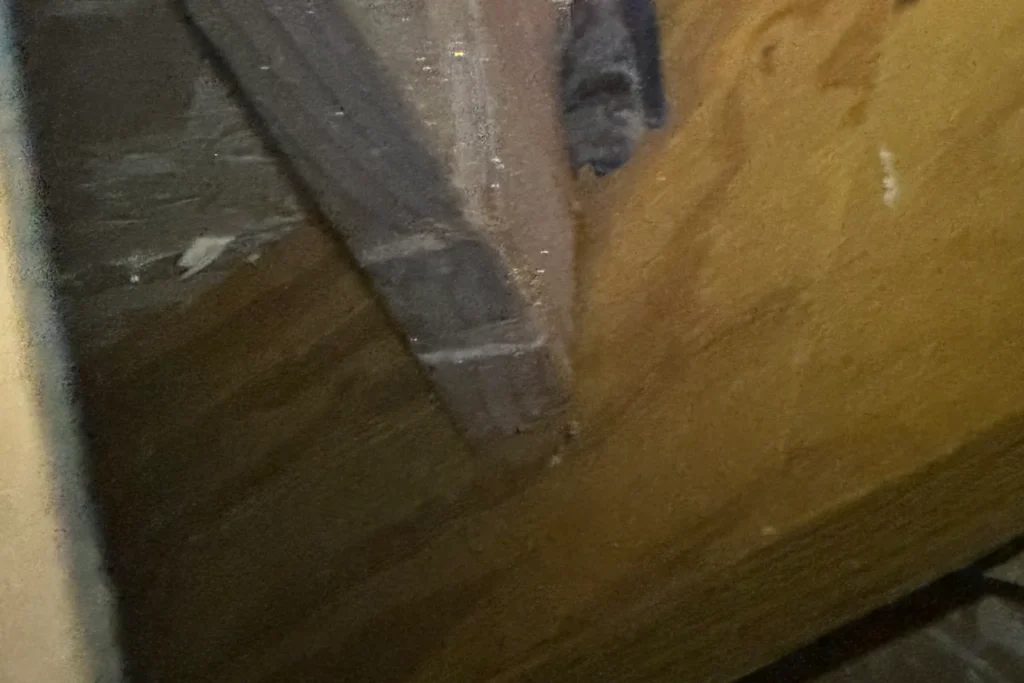
Do bats hibernate in attics? Some do. In the Kansas City area, big brown bats are known to spend the winter in buildings, including attics and wall voids. Other house bats leave in fall for caves, mines or warmer places.
That’s why some homeowners find a bat flying around the house in the middle of winter.
Which bats hibernate in attics?
According to KDWP and University of Missouri Extension, the three bats most often found in Kansas City homes handle winter differently:
- Big brown bats tolerate cold well and may hibernate in attics, wall voids and other protected spots in buildings.
- Little brown bats form summer colonies in attics, then move to caves or mines to hibernate.
- Evening bats migrate south for the winter.
So an attic that had a summer colony may be empty in winter, or it may still hold a few big brown bats. Learn more about Kansas City bats.
Why is there a bat in my house in winter?
Hibernating bats wake up from time to time, especially on warm winter days or when the heat in the house warms their roost. A bat that wakes up can get confused, follow warm air and end up in your living space through a gap around a light, attic hatch or chimney.
If you find a bat in the house in winter, close off the room and keep people and pets away. Our wildlife team can help get it out of the living space. Don’t release it outside in freezing weather if you can avoid it, and if anyone may have had contact, keep it contained and call your doctor or health department. See our steps for a bat in the house.
Can bats be removed in winter?
Yes, but it takes longer. As the air cools in fall, bats sleep longer and go out less. In summer, when bats leave every night for water, exclusion with one-way doors usually takes 10 to 14 days. In fall and winter, bats may leave only once a week or less, so the same job can take a month or two. In the dead of winter, we may start sealing but wait to install the bat cones until spring, then pick up where we left off once bat activity picks up. We seal the attic only after we confirm it’s empty. Kansas wildlife officials also caution against forcing bats out in the coldest months, since a bat outside in freezing weather has nowhere to go.
Winter is still a good time to inspect. If the bats have left for the season, the gaps they used can sometimes be sealed while they’re gone, which keeps them from returning in spring. University of Missouri Extension notes that bat-proofing is best done when bats aren’t present. Read more about removing bats in winter.
What should I do if bats are in my attic this winter?
Get an inspection to find out whether bats are still there and where they’re getting in. Seal gaps between the attic and your living space so bats don’t wander inside. Then plan exclusion for the right time of year.
Our wildlife team can inspect the attic and roofline and lay out a plan. The first wildlife inspection is usually free.
Found a bat in winter? Call 913-735-5451, answered 24/7, or schedule online. Most services can be scheduled same day.
Frequently Asked Questions
Some do. Big brown bats may hibernate in attics and walls, while little brown bats and evening bats usually leave for the winter.
A hibernating bat likely woke on a warm day or from house heat and wandered inside through a gap around a light, hatch or chimney.
Yes, but it’s slower. Bats leave less often in cold weather, so exclusion can take a month or two, and in the dead of winter it often finishes in spring.
Only if no bats are inside. If bats have left for the season, sealing their gaps keeps them from returning. An inspection confirms it.
Yes. Bats return to the same roost each spring unless the entry points are sealed while they’re gone or after exclusion.