Fix the hole, not just the animal
Trapping one animal leaves the door open for the next.
Babies stay with mom.
No young left behind.
Entry gets sealed.
No room for the next one.
Traps when needed.
Handled humanely.
Trap and relocate is what many people picture when they think of wildlife removal. We rely on one-way doors and exclusion instead, and use live traps only when a job needs them.
Why trapping alone doesn’t work
- The hole is still open. Another animal moves right in.
- Babies get left behind. Trapping a mother leaves her young in the attic.
- There’s usually more than one. Families and colonies don’t all walk into one trap.
- Animals avoid traps. Some won’t go in at all.
Why we use one-way doors
A one-way door lets the animal leave on its own and keeps it from getting back in. Mothers can move their young, and the animal stays in its own area. Then we seal the last opening. See humane wildlife removal and wildlife exclusion.
When we do trap
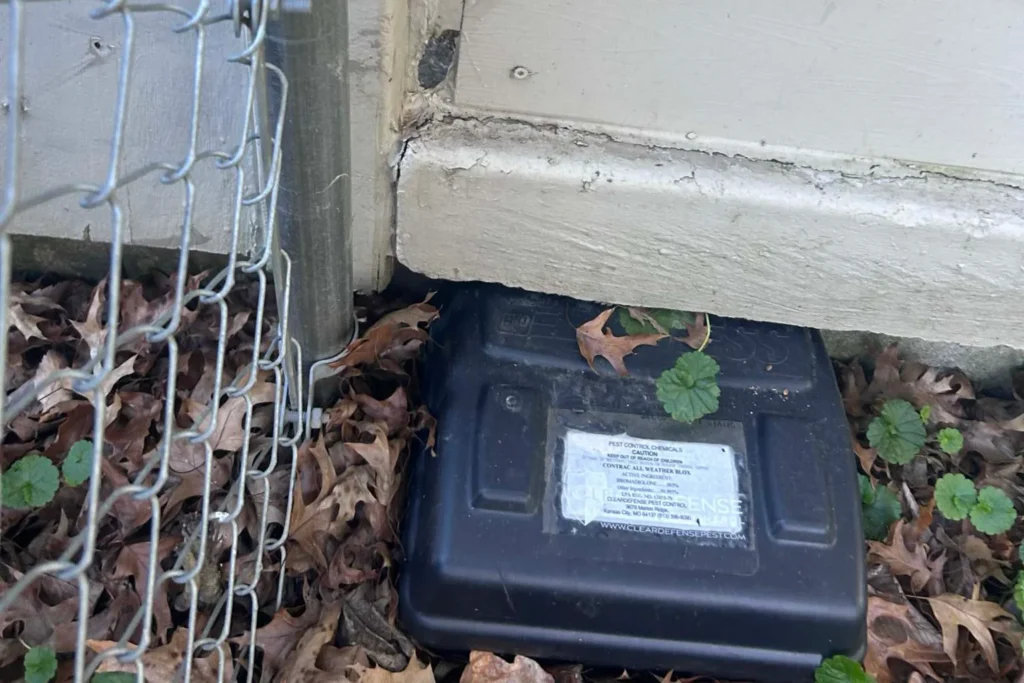
Some jobs need a live trap, like an animal that won’t use a one-way door or one inside the living space. When we trap, every animal is handled humanely.
Trapping vs exclusion by animal
- Raccoons. See raccoon trapping vs exclusion.
- Squirrels. One-way doors, with occasional live traps. See squirrel exclusion.
- Bats. Exclusion only. See bat exclusion.
What trapping doesn’t fix
Even when trapping removes an animal, the attic still has droppings, damaged insulation and the scent that draws the next animal in. Exclusion, sealing and cleanup together are what solve the problem for good.
Our wildlife team handles removal across Kansas City. See wildlife removal.
Want it done right the first time? Call 913-735-5451, answered 24/7, or schedule online. Most services can be scheduled same day.
Frequently Asked Questions
Trapping alone leaves the entry open and can leave babies behind. Exclusion works better.
Sometimes, when a job needs it. Most of the time we use one-way doors.
A device that lets an animal leave and keeps it from getting back in.
Every animal is handled humanely.
No. Bats are removed with exclusion only.