Exclusion is the job
Getting squirrels out is half of it. Keeping them out is the rest.
One-way doors.
Out to feed, can’t get back in.
Seal everything.
Every gap, not just the hole you see.
Protect soft spots.
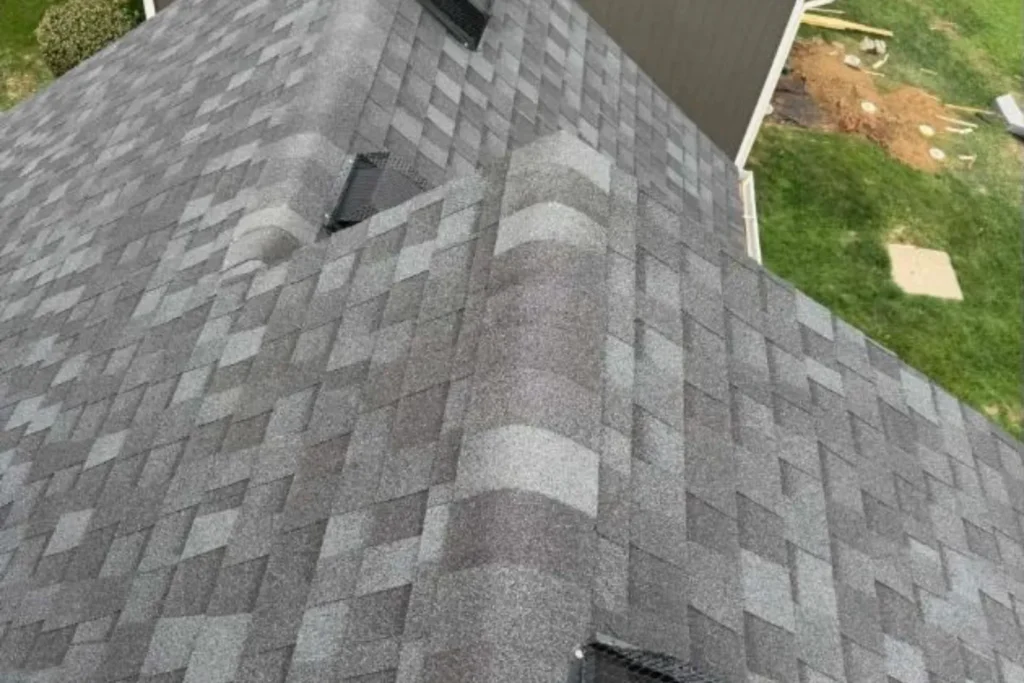
Flashing, vent covers and guards.
Squirrel exclusion is how professionals get squirrels out of a house and keep them out. Instead of trapping squirrels one at a time while the holes stay open, exclusion lets them leave on their own and then closes every way back in.
How a one-way door works
A one-way door, sometimes called an excluder, is mounted over the active entry hole. Squirrels leave to feed during the day, push out through the door and can’t get back in. It’s simple, but it only works if every other gap is already sealed. Otherwise the squirrel just uses a different hole.
Step by step
- Inspection. We find every entry point, check for babies and look for damage to wood, wiring and ducts. The first wildlife inspection is usually free.
- Seal secondary gaps. Everything except the main entry is closed with materials squirrels can’t chew.
- Install one-way doors on the active holes.
- Wait for the squirrels to leave. If there are babies, we give the mother time to move them instead of catching everyone at once.
- Final sealing. Doors come off and the last holes are sealed.
- Protect soft spots. Metal flashing on soffit returns and vent covers and guards so squirrels can’t chew the softer wood.
Most squirrel exclusion jobs take 2 to 3 visits over about 10 to 14 days. We use live traps only occasionally.
Why squirrels are one of the hardest to exclude
Squirrels are persistent, and around Kansas City there are a lot of them. When one hole gets sealed, they often move a couple of feet over and chew a new one. Good exclusion protects the whole roofline, not just the hole you can see. That’s why sealing material matters so much.
Why not just trap?
- Trapping leaves the holes open, so the next squirrel moves right in.
- A squirrel trapped inside the attic does more damage trying to get out. K-State Research and Extension and the Missouri Department of Conservation both warn against sealing a squirrel inside.
- In Kansas, K-State notes fox and gray squirrels may only be taken during open season, and flying squirrels are fully protected.
See do squirrels leave on their own.
What exclusion costs
Most of our wildlife jobs, squirrels included, start in the $900 to $950 range for removal and sealing. More entry points, heavy damage or a roof that needs a lift can raise the price. See squirrel removal cost.
The guarantee
Squirrel exclusion carries a one-year guarantee. If a squirrel gets back in during that year, removal is covered at no charge, and if it chews through our repair work, we fix that free too. Repairing a brand-new hole in a different soft spot costs extra.
Helping exclusion last
- Trim tree branches about 10 feet back from the roof and gutter line. It helps more than almost anything.
- Replace rotted soffit and fascia boards.
- Keep the chimney capped.
Our wildlife team holds a Kansas Department of Wildlife and Parks Nuisance Wildlife Control permit and handles squirrel exclusion across Kansas City. See squirrel removal.
Ready to get squirrels out for good? Call 913-735-5451, answered 24/7, or schedule online. Most services can be scheduled same day.
Frequently Asked Questions
It’s getting squirrels out with one-way doors and then sealing every entry point so they can’t get back in.
The squirrel pushes out through the door to feed and can’t push back in.
Most jobs take 2 to 3 visits over about 10 to 14 days.
Usually. Trapping leaves the holes open for the next squirrel. Exclusion closes them.
We give the mother time to move her young before final sealing.
Yes. It carries a one-year guarantee. If a squirrel gets back in, we remove it again at no charge.