Treat the stack, not just the unit
Roaches move through walls and plumbing. So does our treatment plan.
Neighbors.
Units beside, above and below.
Baits.
Gel baits and low-odor options.
Prep.
Clear instructions for residents.
Roaches in apartments are one of the most common calls we get from property managers. In multifamily buildings, they’re almost always German cockroaches, and they don’t stay in one unit. They travel through shared walls, plumbing chases and electrical runs, so treating only the unit that complained usually means the call comes back.
Here is how we handle roaches across an apartment building.
Why roaches spread in apartments
German roaches live close to food and water, and apartments put dozens of kitchens and bathrooms side by side. Roaches move along pipes and through gaps around outlets and cabinets. They also arrive with residents, in boxes, used furniture and appliances. One heavily infested unit can feed activity into the units around it for months.
Step 1: Inspect the reported unit and its neighbors
When a unit reports roaches, we check the units beside it, above it and below it when we can get access. That shows whether the problem is one unit or a stack. See pests spreading between apartment units.
Step 2: Treat where roaches live
- Gel baits in cabinet hinges, under sinks, behind appliances and in cracks
- Targeted treatments in voids, plumbing penetrations and gaps around fixtures
- Low-odor products where spraying isn’t the right fit
- Monitors to see where activity is and whether it’s dropping
Some of our products can be used while residents are home. We typically don’t treat where kids are present, and the tech will talk with the resident about timing.
Step 3: Resident prep
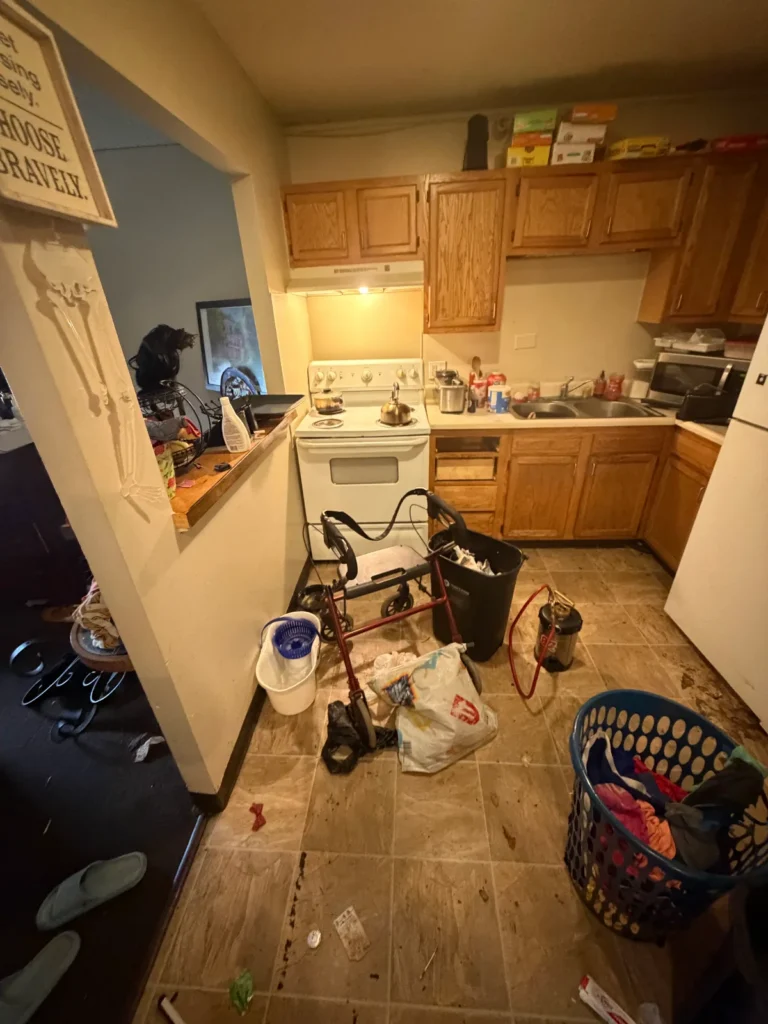
Roach treatments work much better when the unit is ready. We’ll give you prep instructions to send residents, like emptying cabinets under sinks, cleaning grease and crumbs, and taking out trash and cardboard. If a unit wasn’t prepped or the tech couldn’t get in, it’s noted in the report.
Step 4: Follow up
Active roach problems need follow-up visits. Because our apartment customers are on monthly service, follow-ups fit into the regular schedule. On large complexes, the agreement includes a set number of additional units serviced every visit, so roach requests are handled while we’re already on site. Most of our contracts include free callbacks between visits too.
Step 5: Document
Every unit we inspect or treat goes into a service report you get within minutes, with notes, findings and the types of products used. Records are saved in your customer portal. If a resident complains that management isn’t handling roaches, those records show what was done and when. See pest control records in tenant disputes.
Signs to train your maintenance staff on
- Live roaches in kitchens and bathrooms, especially at night
- Pepper-like droppings in cabinets and drawers
- Egg cases and shed skins
- Roaches around water heaters and under sinks during work orders
Maintenance staff are inside units more than anyone. If they report what they see, we can treat early.
Turnover is your best chance
A vacant unit can be treated thoroughly before the next resident moves in. See pest control at rental turnover.
Roaches in used furniture and appliances
Residents moving in with used furniture, appliances or electronics can bring roaches with them. Consider including a note about this in move-in materials, and ask maintenance to watch for roaches when installing or servicing appliances. Catching a new infestation in the first few weeks is far easier than clearing a unit that’s been active for months.
Who pays for roach treatment
It depends on the lease and local rules. See landlord or tenant: who pays for pest control.
Signs a building needs more than unit treatments
If roach complaints are coming from several units in the same building, or from the same stack on different floors, it’s time to treat the building as a whole. That can mean checking all units in a stack, treating plumbing chases and common areas, and increasing focus on that building in the monthly rotation until activity drops.
Ongoing prevention
Monthly service, with about a third of the building treated each month, keeps roach pressure down across the property and catches new activity early. See apartment pest control for property owners.
Our commercial team handles roaches in apartment complexes across Kansas City. See commercial pest control.
Roach complaints at your property? Call 913-735-5451, answered 24/7, or schedule online. Most services can be scheduled same day.
Frequently Asked Questions
German roaches move between units through walls and plumbing. Treating only one unit usually isn’t enough.
Yes, when we find activity. We inspect the units beside, above and below the reported unit when we can get access.
Often, yes. Some products can be used while residents are home. We typically don’t treat where kids are present.
Empty cabinets under sinks, clean grease and crumbs, and take out trash and cardboard. We provide prep instructions.
Active infestations need follow-up visits. Monthly service keeps them from coming back.
Yes. Every unit is in a service report saved to your customer portal.