One unit is rarely just one unit
Treat the stack and the shared spaces, or the call comes back.
Beside.
Units on both sides.
Above and below.
The plumbing stack.
Between.
Shared walls, voids and chases.
Pests spreading between apartment units are one of the hardest problems in multifamily housing. A resident complains about roaches, the unit gets treated, and a month later the unit next door calls. Or bed bugs show up two floors up. In apartment buildings, units share walls, plumbing, electrical runs and air spaces, and pests use all of them.
Here is how pests move between units and how we stop it.
How pests travel between units
- Plumbing chases. Pipes run vertically through every unit in a stack, and the gaps around them connect kitchens and bathrooms floor to floor.
- Electrical runs and outlets. Gaps around outlets and switches connect to wall voids.
- Shared walls. Cracks, baseboards and gaps under cabinets connect side by side units.
- Hallways and common areas. Pests walk under doors and through shared spaces.
- Residents. Bed bugs and roaches ride along in bags, furniture and laundry.
Which pests spread most
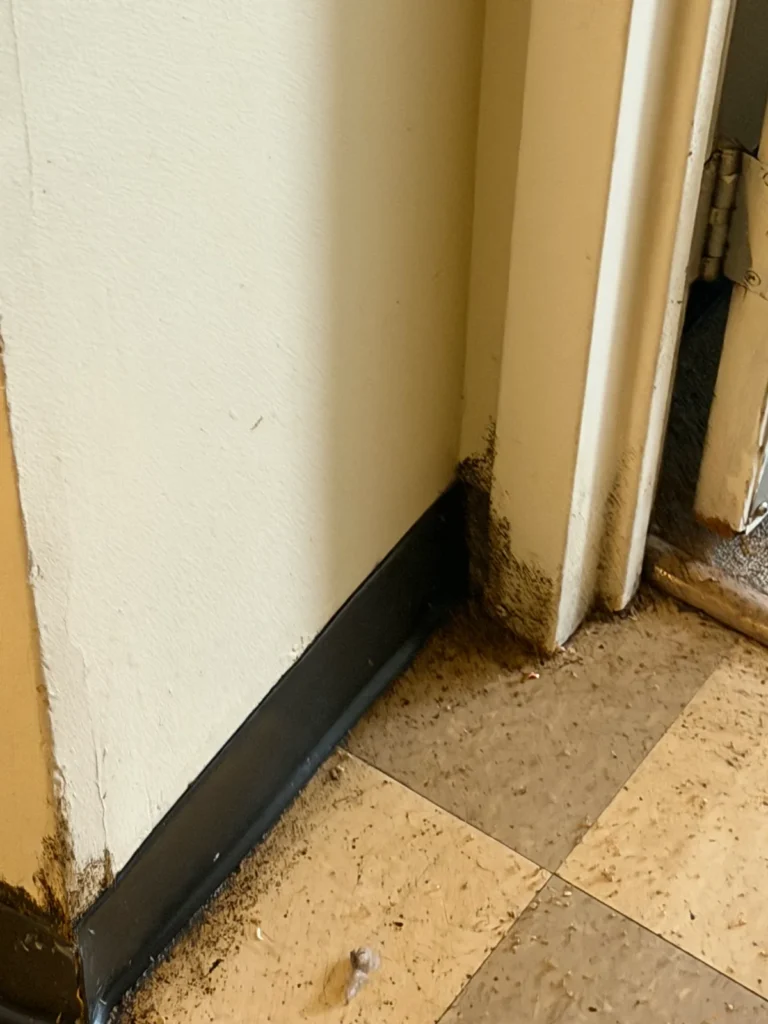
German roaches spread through walls and plumbing when a population gets big or when one unit is treated and roaches scatter. See roaches in apartments.
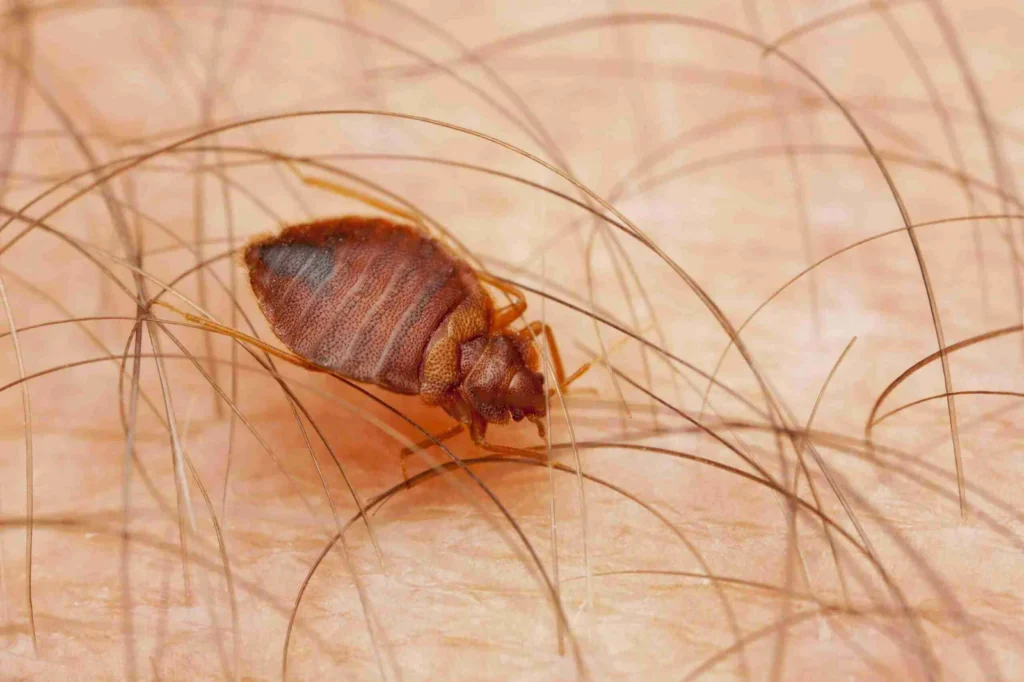
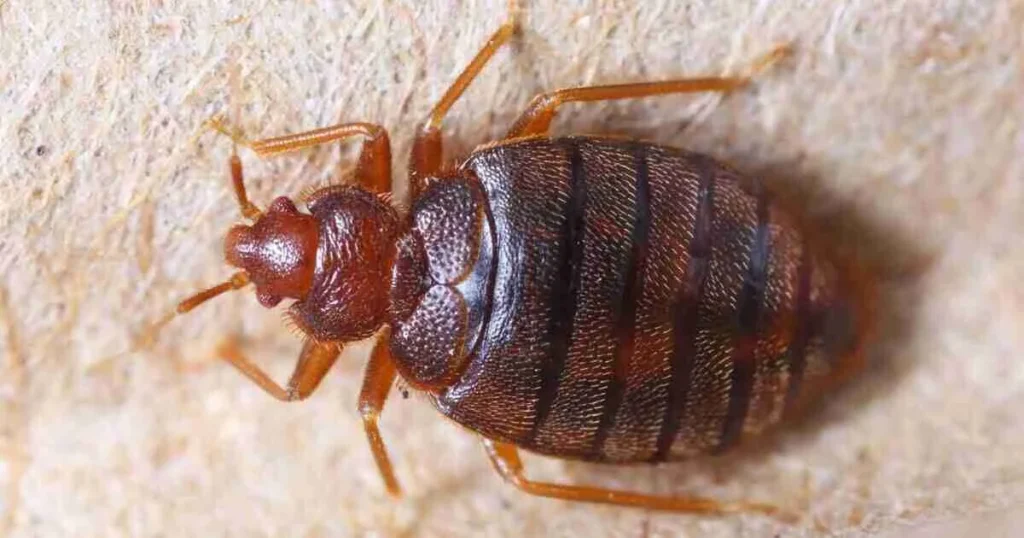
Bed bugs spread through wall voids, outlets and hallways, and on residents and belongings. See bed bug heat treatment for apartments and hotels.
Mice run through wall voids, ceilings and utility spaces across a whole building. See rodent control for multifamily buildings.
Treat the stack, not just the unit
When a unit reports roaches or bed bugs, we inspect the units beside it, above it and below it when we can get access. That shows whether the problem is contained or spreading. We then treat the units with activity and the connections between them, like plumbing penetrations and wall voids.
Seal the connections
Sealing gaps around pipes under sinks, behind toilets and around outlets slows pests moving between units. Techs seal small gaps with copper mesh during service. Larger openings can be handled by our wildlife team. See pest exclusion for commercial buildings.
Don’t forget the common areas
Hallways, laundry rooms, trash chutes and trash rooms connect units. Treating and monitoring them is part of stopping the spread. See pests in apartment common areas.
The one unit problem
Sometimes one heavily infested unit feeds the units around it. Clutter, food left out or a resident who won’t allow access can keep a population going. Our tech notes what they see, factually, and the report helps you work with the resident and show the property did its part. See pest control records in tenant disputes.
Monthly service catches spread early
Our apartment customers are serviced monthly, with about a third of the building treated each month plus problem units. On large complexes, the agreement includes a set number of additional units serviced every visit, based on inspection. That lets us check and treat neighboring units while we’re already on site, instead of waiting for the next complaint. See apartment pest control for property owners.
Why treating one unit can make it worse
When roaches in one unit are hit hard with spray and the neighbors aren’t treated, some roaches scatter into the walls and next door. That’s one reason we lean on baits and targeted treatments in apartments, and why we check the units around a reported unit before deciding where to treat.
Communication with residents
We reach out to residents in affected and neighboring units, get them scheduled and report back to your office. Residents in neighboring units may not have seen anything yet, so a clear explanation helps them understand why we’re checking.
Treating occupied units
Some of our products can be used while residents are home. We typically don’t treat where kids are present. Low-odor products and gel baits are used where spraying isn’t the right fit.
Records
Every unit we inspect or treat goes into a service report you get within minutes, saved in your customer portal. Over time, the records show where pests started, how far they spread and when they stopped.
Signs pests are spreading
- Complaints from units next to each other or in the same stack
- Activity returning in a unit a few weeks after treatment
- Roaches showing up in hallways or laundry rooms
- Bed bug reports on different floors
When you see these, call us early. Treating three units now costs far less than treating fifteen later.
Our commercial team helps apartment communities across Kansas City stop pests from spreading. See commercial pest control.
Pests moving through your building? Call 913-735-5451, answered 24/7, or schedule online. Most services can be scheduled same day.
Frequently Asked Questions
Through plumbing chases, outlets, shared walls and hallways, and on residents’ belongings.
Yes. We check the units beside, above and below a reported unit when we can get access.
Yes. Through wall voids, outlets and hallways, and on residents and belongings.
Treat the affected units and their connections, seal gaps around pipes and outlets, and treat common areas.
The tech notes conditions in the report, which helps you work with the resident and shows the property did its part.
Monthly, with about a third of the building treated each month plus problem units.