Start with the lease
Who pays usually comes down to the lease, the pest and how it got there.
The lease.
Read the pest control clause first.
The pest.
Some pests point to the building, some to the resident.
The record.
Documentation settles questions.
Who pays for pest control, the landlord or the tenant? It depends. In most rentals, the answer comes down to three things: what the lease says, what kind of pest it is, and how the problem started. We work with many landlords, property managers and renters around Kansas City, and this is how those questions usually get sorted out.
This page isn’t legal advice. Landlord and tenant rules vary by state, city and lease. If you’re in a dispute, talk to an attorney or your local housing authority.
Start with the lease
Many leases include a pest control clause. Some say the landlord handles all pest control. Some make the tenant responsible after the first 30 or 60 days of the lease. Some split it by pest type. Read the lease before anything else, because it’s usually the clearest answer.
When it usually falls on the landlord
- Pests present at move-in. If roaches or mice were there before the tenant arrived, that’s typically the landlord’s problem.
- Building problems. Gaps in the foundation, damaged siding, leaking pipes and openings in the roof let pests in. Fixing the building is generally the owner’s job.
- Wildlife in the structure. Bats, squirrels and raccoons in attics and walls are tied to the building. See commercial wildlife removal.
- Multi-unit spread. In apartments, pests that move between units through walls and plumbing usually need the property to treat the building, not one tenant. See pests spreading between apartment units.
- Termites. Termite treatment protects the structure, so it typically falls to the owner.
When it can fall on the tenant
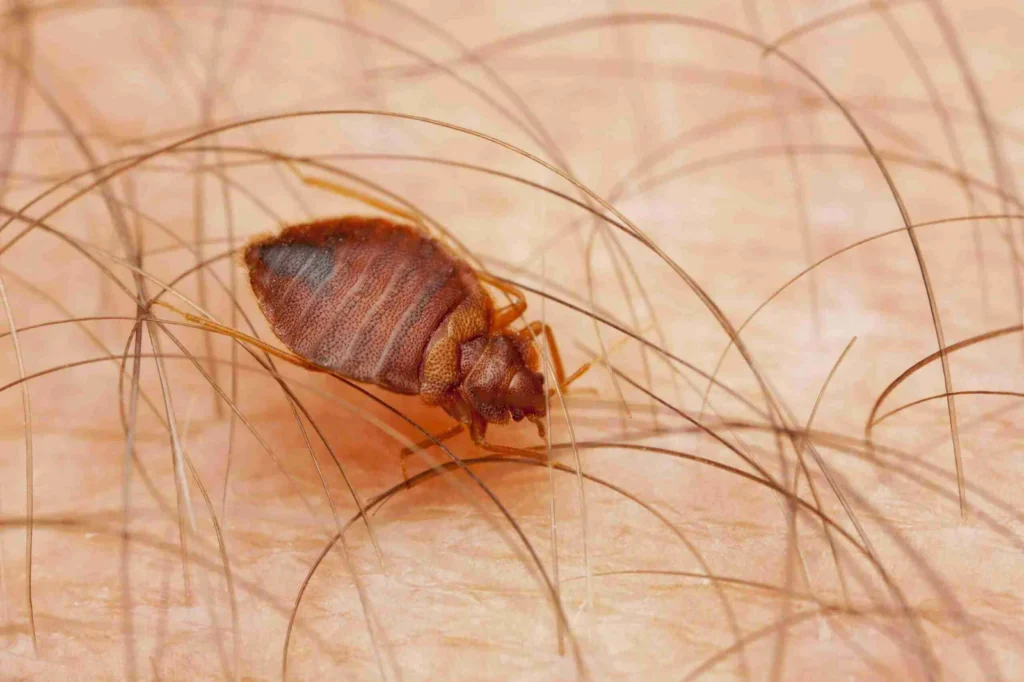
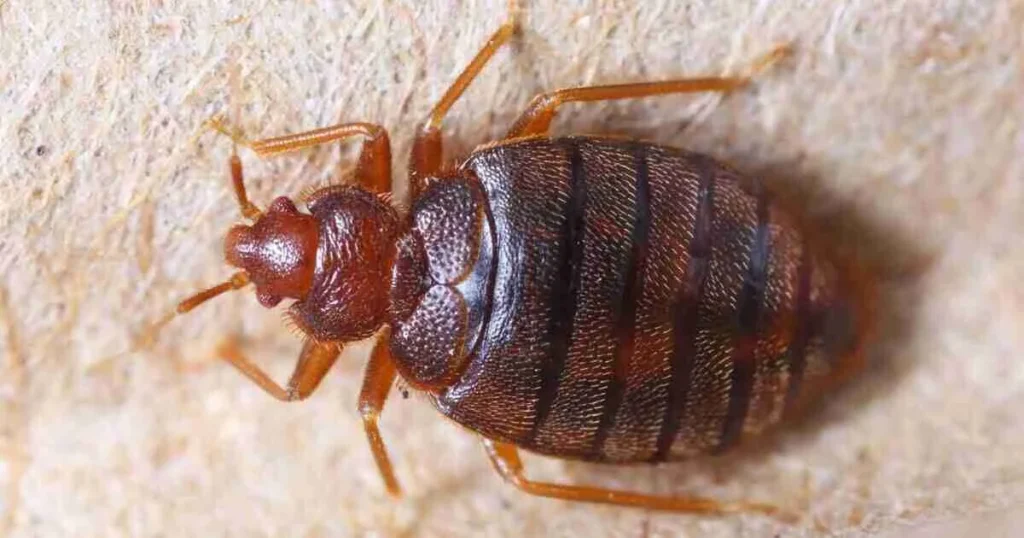
- Pests brought in after move-in, like bed bugs from travel or used furniture, depending on the lease
- Conditions the tenant creates, like heavy clutter, food left out or trash not taken out
- Lease terms that make the tenant responsible for routine pest control after a set period
- Not preparing for treatment or not allowing access when service is scheduled
Bed bugs are the most common gray area. See landlord vs tenant bed bug responsibility in Kansas and Missouri.
Renters can get their own plan
A renter can sign up for their own pest control plan. When they do, the person who signs is the responsible party, not the landlord. That’s common in single-family rentals where the lease makes routine pest control the tenant’s job. See home pest control.
Why documentation matters for both sides
When there’s a disagreement, records help everyone. For landlords, service reports show when complaints came in and what was done. Our audit logs have helped apartment complexes show they were doing their part when a tenant said otherwise. For tenants, reports show the problem was reported and whether it was treated. Each of our visits produces a report within minutes, with notes and the types of products used. See pest control records in tenant disputes.
Tips for landlords
- Put a clear pest control clause in the lease.
- Have units treated at turnover, before the next tenant moves in. See pest control at rental turnover.
- Respond fast to every pest complaint, even if you think the tenant is responsible.
- Fix building problems that let pests in.
- Keep records of every complaint and every service.
Tips for renters
- Report pests to your landlord in writing, with dates and photos.
- Read your lease’s pest control section.
- Prepare the unit when treatment is scheduled, and allow access.
- Don’t bring in used furniture without checking it for bed bugs.
When the landlord is a property management company
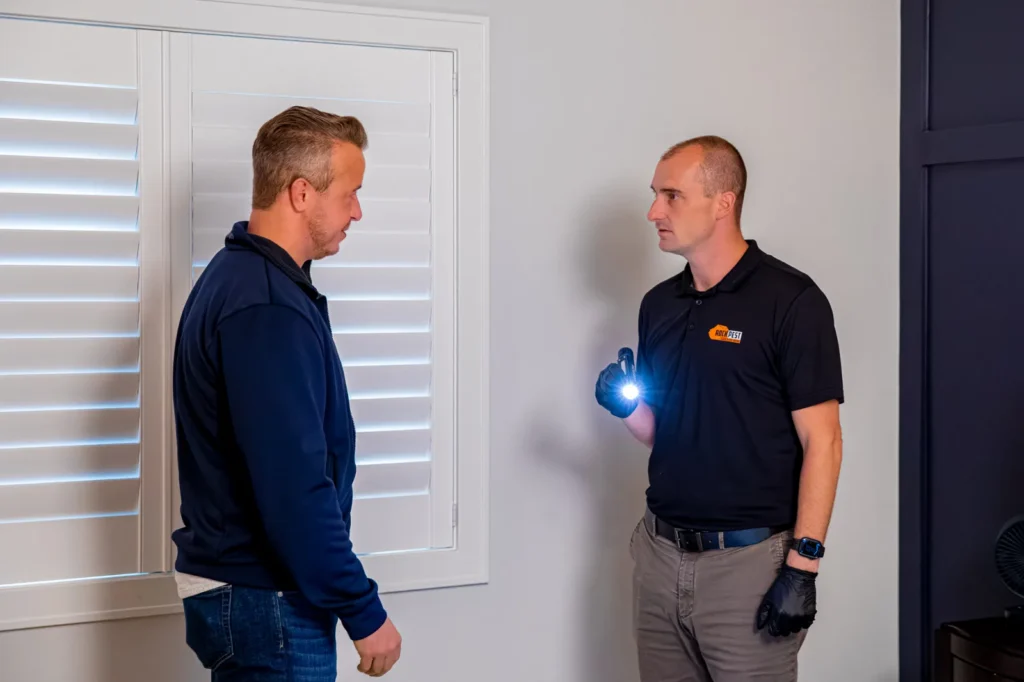
Many rentals in Kansas City are run by property managers. We work with many of them, and our process is simple: the manager sends the request, we schedule with the resident, treat, and report back. See pest control for property managers.
Paying for treatment without delay
The worst outcome is a pest problem that grows while both sides argue about the bill. Roaches and bed bugs spread to neighboring units, and mice multiply. Many landlords treat right away and sort out responsibility afterward, using the lease and the service records. That usually costs less than waiting.
Our commercial team works with landlords, property managers and renters across Kansas City. See commercial pest control.
Need pest control at a rental? Call 913-735-5451, answered 24/7, or schedule online. Most services can be scheduled same day.
Frequently Asked Questions
Often, especially for pests present at move-in, building problems, wildlife and pests spreading between units. The lease is the first place to look.
When the lease says so, or when pests come from things the tenant brought in or conditions the tenant created.
It depends on the lease and how they got there. Bed bugs are the most common gray area.
Yes. The person who signs up is the responsible party, not the landlord.
Yes. Service reports show when problems were reported and what was done.
No. Rules vary by state, city and lease. Talk to an attorney or your local housing authority for legal questions.