A 20-minute walk-around
Most raccoon prevention is spotting weak spots before a raccoon does.
Ground level.
Food, trash, decks and foundation.
The climb.
Trees, downspouts and corners.
The roof.
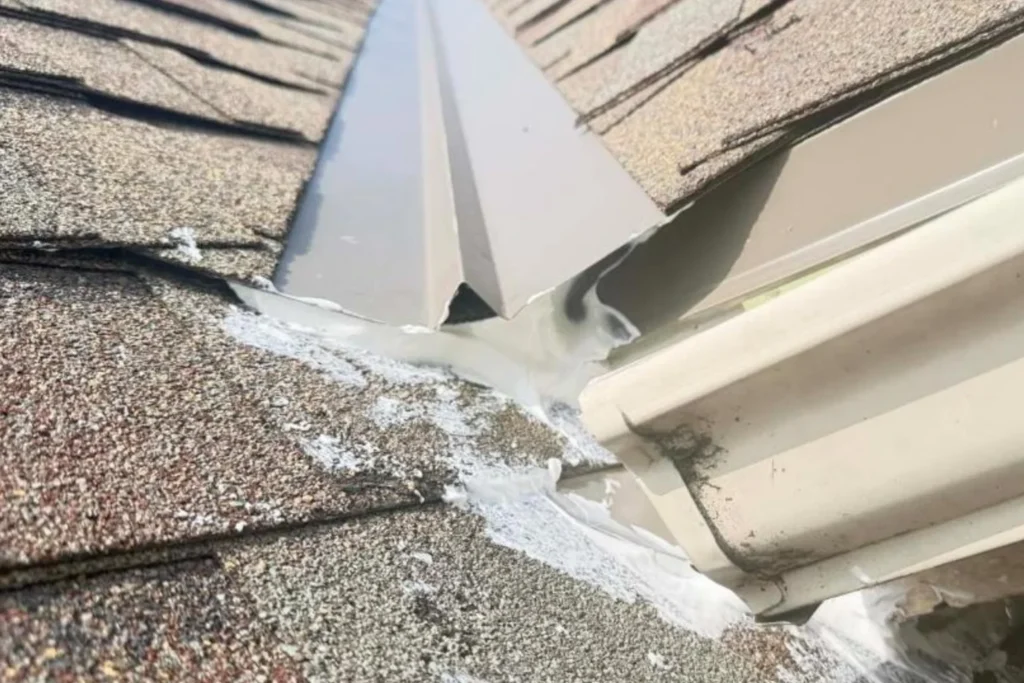
Vents, soffits, roof returns and chimney.
The best time for raccoon prevention is before a raccoon moves in. In Kansas City, that means checking your house in late fall and winter, before females start looking for dens in February. Use this checklist, based on K-State Research and Extension and Missouri Department of Conservation guidance, for a quick walk-around.
Food and trash
- Trash cans have tight lids that are strapped or bungeed shut
- Cans are kept in the garage or a closed shed until pickup
- No pet food or water left outside overnight
- Bird feeders taken down, or spilled seed cleaned up daily
- Compost kept in a closed bin
- Fallen fruit picked up
- Grills cleaned and covered
Trees and climbing routes
- Branches trimmed back so they don’t touch or hang over the roof
- No vines or trellises reaching the roofline
- Downspouts checked for muddy prints or climbing marks
- Slick metal flashing at spots where raccoons jump from trees to the roof, if needed
Roofline
- Soffit panels tight, with no sagging or pulled corners
- Roof returns, where two rooflines meet, checked for gaps
- Fascia boards solid, not rotted or loose
- Shingles at the roof edge flat and intact
- Gable vents with solid screen behind the louvers
Vents and chimney
- Roof box vents, ridge vent ends and turbine vents undamaged
- Heavy-duty guards on roof vents, especially in problem areas
- Bath, kitchen and dryer vent covers intact
- Chimney capped with a sturdy cap fastened securely
Decks, porches and crawl spaces
- No digging or gaps under decks, porches, steps and sheds
- Crawl space vents screened and access doors closed tight
- Foundation holes sealed
Before you seal anything
Make sure no raccoons or babies are inside first. The Missouri Department of Conservation notes young may be present April through August. Sealing an animal in causes more damage than it prevents. If you find signs of raccoons, see signs of raccoons.
Want a second set of eyes?
Our wildlife team inspects the whole house, from the foundation to the roof, finds weak spots and seals and guards them with materials raccoons can’t tear through. The first wildlife inspection is usually free, and you get a detailed report with photos and a written estimate. See keeping raccoons away from your house.
Want your house raccoon-proofed? Call 913-735-5451, answered 24/7, or schedule online. Most services can be scheduled same day.
Frequently Asked Questions
Secure trash and pet food, trim trees back from the roof, cap the chimney, guard roof vents and repair loose soffits and fascia.
Late fall and winter, before females look for dens in February.
Roof returns and soffit corners, roof vents and uncapped chimneys are among the most common.
Small repairs, yes, but only after you’re sure nothing is inside. Raccoons tear through weak materials, so repairs need to be strong.
Yes. Our wildlife team inspects, seals and guards entry points and installs chimney caps and vent guards.