Make it hard, not scary
Raccoons get used to scare tactics. Taking away food and access works for good.
Lock up food.
Trash, pet food, seed and compost.
Cut off the climb.
Trim trees and guard downspouts.
Close the den.
Cap, guard and seal entry points.
You can’t keep every raccoon out of your neighborhood. You can make your house a bad place for a raccoon to eat or live. Here’s how to keep raccoons away, based on guidance from K-State Research and Extension and the Missouri Department of Conservation.
1. Take away the food
Food is what brings raccoons around in the first place.
- Store trash in metal or heavy plastic cans with tight lids. Strap or bungee the lids.
- Keep cans in the garage or a closed shed until pickup morning.
- Feed pets indoors, or bring food and water bowls in at night.
- Take down bird feeders or clean up spilled seed every day.
- Pick up fallen fruit and keep compost in a closed bin.
- Clean grills and keep them covered.
2. Cut off the climb
Raccoons get onto roofs by climbing. K-State recommends trimming trees that touch the house and placing slick metal on the roof edge where raccoons jump on from trees. For outbuildings, the Missouri Department of Conservation suggests wrapping corners with sheet metal.
- Trim branches back from the roof
- Remove trellises or vines that reach the roof
- Guard downspouts if raccoons climb them
3. Close off shelter
- Cap the chimney with a sturdy cap
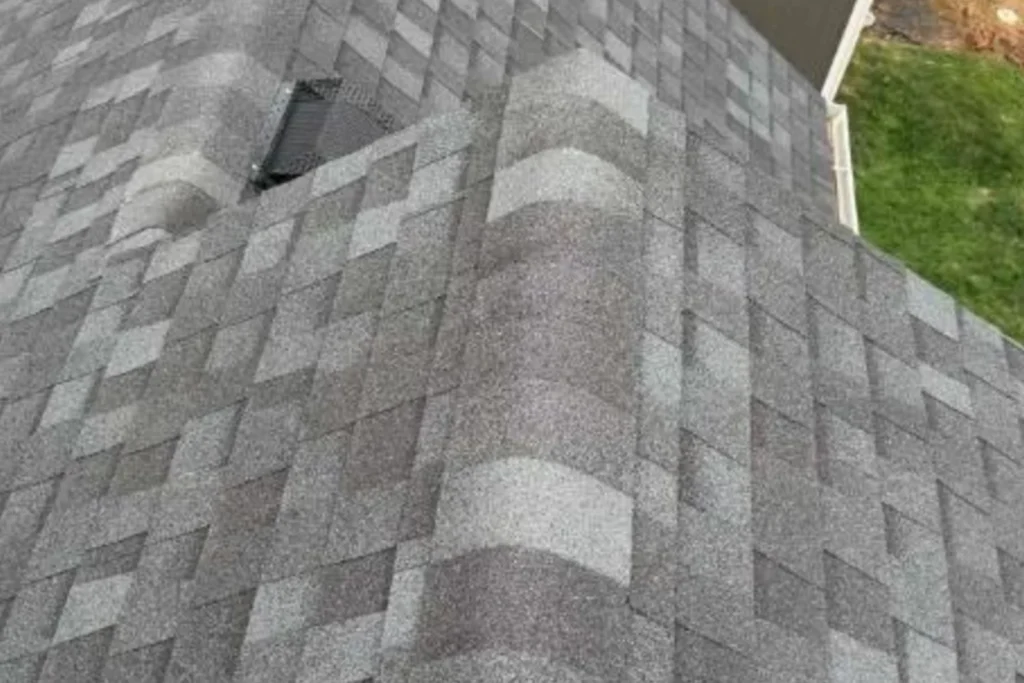
- Guard roof vents with heavy-duty covers
- Repair loose soffits, fascia and roof returns
- Seal gaps under decks, porches, sheds and crawl spaces once you know they’re empty
Never seal an opening without making sure no raccoon or babies are inside. See how raccoons get into attics.
4. Protect gardens and poultry
The Missouri Department of Conservation recommends securing poultry houses with wire mesh and using electric fencing around gardens. K-State notes woven wire alone doesn’t stop raccoons because they climb it.
What doesn’t work to keep raccoons away
- Repellents. The Missouri Department of Conservation says none are known to be effective.
- Mothballs. They don’t work, and the naphthalene in them is toxic.
- Lights, radios and noise. K-State notes raccoons get used to them quickly.
- Ammonia and store-bought sprays. The smell fades fast and raccoons ignore it. (Professionals sometimes use an eviction fluid to get a mother raccoon to move her young, but that’s one step in a removal, not a way to keep raccoons away.)
See do raccoon repellents work.
When to call for help
If raccoons are already living in your attic, chimney or under your deck, prevention alone won’t move them out. Our wildlife team removes raccoons and seals and guards the house so they stay out. The first wildlife inspection is usually free. Use our raccoon prevention checklist for a quick walk-around.
Need raccoons gone for good? Call 913-735-5451, answered 24/7, or schedule online. Most services can be scheduled same day.
Frequently Asked Questions
Remove food sources like trash and pet food, trim trees back from the roof and seal or guard entry points like chimneys and vents.
Metal or heavy plastic cans with tight lids that are strapped or bungeed shut, stored in a garage until pickup.
Only for a short time. Raccoons get used to lights and noise quickly.
No. Mothballs don’t work on raccoons, and the naphthalene in them is toxic to people and pets.
Trim branches away from the roof, guard downspouts and cap the chimney and vents so there’s nothing to get into.