Babies change the plan
During bat maternity season, young bats can’t fly, so they can’t leave through an exclusion device.
Pups in summer.
Bats give birth in late spring and early summer.
Wait to exclude.
Wildlife agencies advise waiting until young bats can fly.
Plan ahead.
An inspection now sets up a fast exclusion when it’s safe.
Bat maternity season is the stretch of late spring and summer when female bats gather in a roost to give birth and raise their young. In Kansas City, that roost is often an attic, a wall or the space behind a chimney.
It’s also the main reason bat removal can’t always happen right away. Here’s how bat maternity season works and what it means for your home.
What is bat maternity season?
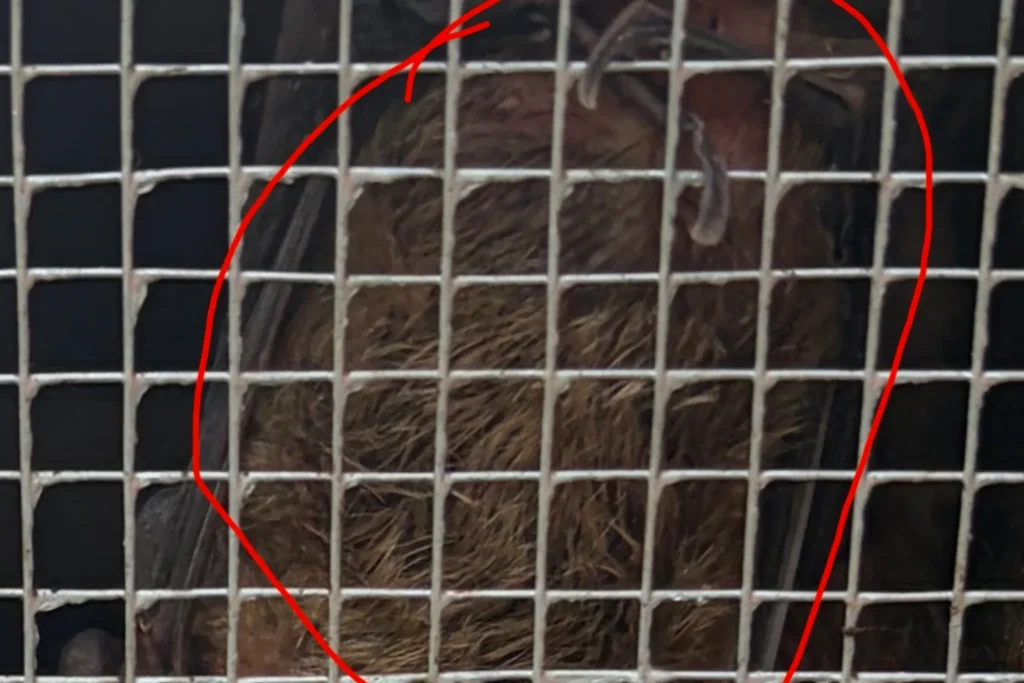
In spring, female bats gather in warm, protected spots to form maternity colonies. Each female usually has one or two pups, depending on the species, in late spring or early summer. The pups cling to the roost while the mothers hunt insects at night.
Young bats can’t fly for the first several weeks. Kansas and Missouri wildlife agencies note that warm attics are prized maternity roosts because the heat helps the pups grow quickly.
When is bat maternity season in Kansas City?
Timing varies a little each year, but Kansas Department of Wildlife and Parks guidance advises against bat exclusion from May through late June, when most pups are flightless, and notes the risk to young bats drops by August. University of Missouri Extension takes a more cautious approach, advising against exclusion from mid-May to mid-August.
In practice, that means late summer and early fall are the best window for bat exclusion in the Kansas City area. If we catch a colony in spring before the pups are born, there’s still time to get the bats out first. Once pups are born, we wait until they can fly on their own, depending on what we find in the attic. See our bat season guide for Kansas City.
Why can’t bats be removed during maternity season?
Bat removal is done with exclusion. One-way devices let bats fly out but not back in. Adult bats leave just fine, but pups that can’t fly yet are left behind in the attic or wall.
Those pups die without their mothers. That causes odor and insect problems, and mothers trying to reach their young may push through other gaps, sometimes into your living space. Bats are protected wildlife in Kansas and Missouri, and agencies specifically warn against exclusion that traps flightless young. Read more about whether bats are protected.
How do I know if there are pups in my attic?
You usually can’t see the pups, but a few clues point to a maternity colony. Bat counts at sunset that seem to grow through June, more noise and squeaking in the attic during the day and bats appearing in the house in July and August are all common signs.
A colony that’s been in the same attic for years is often a maternity colony, since females return to the same roost each spring. An inspection can usually tell you what you’re dealing with.
What can I do while I wait?
You’re not stuck doing nothing during bat maternity season. A few steps help:
- Get an inspection. Finding the entry points and sizing up the colony now means exclusion can start as soon as timing allows.
- Seal the living space. Close gaps around attic doors, recessed lights, ceiling fans and plumbing chases so bats don’t wander inside.
- Don’t seal the outside yet. Leave the bats’ exits open until exclusion is done.
- Keep bats out of living areas. If a bat gets in, follow our steps for a bat in the house.
Our wildlife team can walk you through the plan. The first wildlife inspection is usually free.
What happens once maternity season ends?
Once the young bats can fly, the whole colony can be excluded at once. One-way devices go up at the main exits, and the other gaps are sealed. In summer, bats leave every night for water, so the job usually takes 10 to 14 days from start to finish. The exits are sealed only after we confirm the attic is empty.
If guano has built up in the attic, cleanup, sanitizing and odor treatment are available as an add-on after the bats are out, quoted by how much is there. Heavily soiled insulation can be removed and replaced.
Is there a bad time of year in winter too?
Yes. Some bats spend the winter hibernating in buildings, especially big brown bats. Excluding them in the cold months can strand them outside with no food and nowhere to go. Wildlife agencies advise against exclusion in mid-winter as well. In practice, bats leave much less often in cold weather, so winter exclusion can take a month or two, and in the dead of winter it often has to wait until spring. Learn more about removing bats in winter.
Have bats now? Call 913-735-5451, answered 24/7, or schedule online. Most services can be scheduled same day.
Frequently Asked Questions
Most bats in the Kansas City area give birth in late spring and early summer, roughly late May through June. Pups can’t fly for several weeks.
Not during the weeks when pups can’t fly. Wildlife agencies advise waiting until young bats are flying, which is usually by August.
Late summer and early fall are usually the best window, after the pups can fly and before bats settle into winter roosts.
Flightless pups get left behind and die in the attic or walls, which causes odor and can push mother bats into the living space.
Seal gaps into your living space, but don’t seal the bats’ exits to the outside. That traps the colony inside.
Yes. An inspection finds the entry points and sizes up the colony so exclusion can start as soon as timing allows.