Rare, serious and preventable
Hantavirus is uncommon, but how you handle a rodent mess makes a real difference.
How it spreads.
Breathing dust from stirred up droppings, urine or nests.
Clean it right.
Soak with disinfectant first. Never sweep or vacuum.
Sanitize every time.
We sanitize after every rodent cleanup we do.
Hantavirus from mice spreads when people breathe in dust from rodent droppings, urine or nesting material that has been stirred up. It’s rare, but it can cause a serious lung illness, so safe cleanup matters.
Light mouse activity is covered on all of our home pest control plans, and our wildlife team handles cleanup and sanitization. Here’s what homeowners should know.
How do people get hantavirus from mice?
Most people get hantavirus from mice by breathing it in. Fresh droppings, urine and nesting material can carry the virus. Sweeping, vacuuming or moving boxes stirs up tiny particles that end up in the air.
Less often, people get it by touching contaminated material and then their eyes, nose or mouth, or from a rodent bite. According to the CDC, the hantavirus found in the United States does not spread from person to person.
Which mice carry hantavirus?
In the United States, the deer mouse is the main carrier of the hantavirus that causes illness in people. Deer mice have white bellies and white feet and are more common around rural homes, sheds, barns and cabins.
House mice are the mice most Kansas City homeowners deal with. Still, any rodent droppings deserve careful handling, since you can’t tell which mouse left them by looking.
What are the symptoms of hantavirus?
Symptoms usually start 1 to 8 weeks after exposure. Early signs feel like the flu: fever, fatigue and muscle aches, especially in the thighs, hips and back. Coughing and shortness of breath can follow.
If you get sick after cleaning up rodent droppings or a closed-up space, see a doctor right away and mention the rodent exposure.
How do you clean up after mice safely?
The CDC recommends airing the area out for 30 minutes and wearing rubber or plastic gloves. Then soak droppings and nests with disinfectant or 1 part bleach to 9 parts water for 5 minutes, and wipe them up with paper towels. Never sweep or vacuum. Our guide on keeping mice out of your home covers prevention.
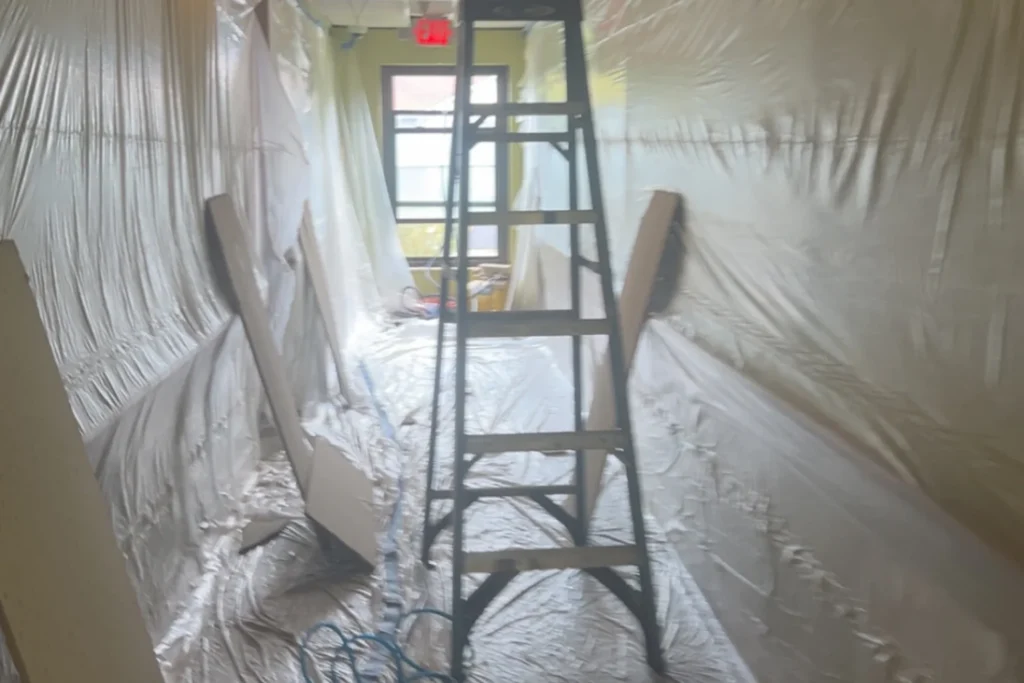
For heavy messes, attics, basements and crawl spaces, let a pro handle it. Our wildlife team cleans up and sanitizes after every rodent cleanup, then seals entry points and sets bait stations so mice don’t come back. Cleanup and sanitization are an added fee.
Related reading: mouse droppings and how to clean them safely, mice in the attic and the signs of mice.
Worried about a rodent mess? Call 913-735-5451, answered 24/7, or schedule online. Most services can be scheduled same day.
Frequently Asked Questions
In the United States, the deer mouse is the main carrier of the hantavirus that makes people sick, not the common house mouse. Because you can’t tell which mouse left droppings, treat every rodent mess with care.
Hantavirus is rare, but cases do occur across the country, mostly in rural areas. Most exposures happen while cleaning closed-up sheds, cabins and outbuildings with deer mouse activity.
Yes, the CDC recommends soaking droppings and nests with disinfectant or a bleach solution before cleanup for this reason. Our wildlife team sanitizes after every rodent cleanup.
No, never vacuum or sweep mouse droppings, because it can put virus particles in the air. Soak them with disinfectant and wipe them up with gloves on.
Yes, our wildlife team removes droppings and nesting material and always follows with sanitization, especially in attics and basements. It’s an added fee, quoted after an inspection.