The right tool in the right spot
Each option has a job. Safety around kids and pets decides where each one goes.
Snap traps.
Fast and reusable, placed where kids and pets can’t reach.
Bait stations.
Locked, tamper-resistant boxes that keep bait away from hands and paws.
Glue boards.
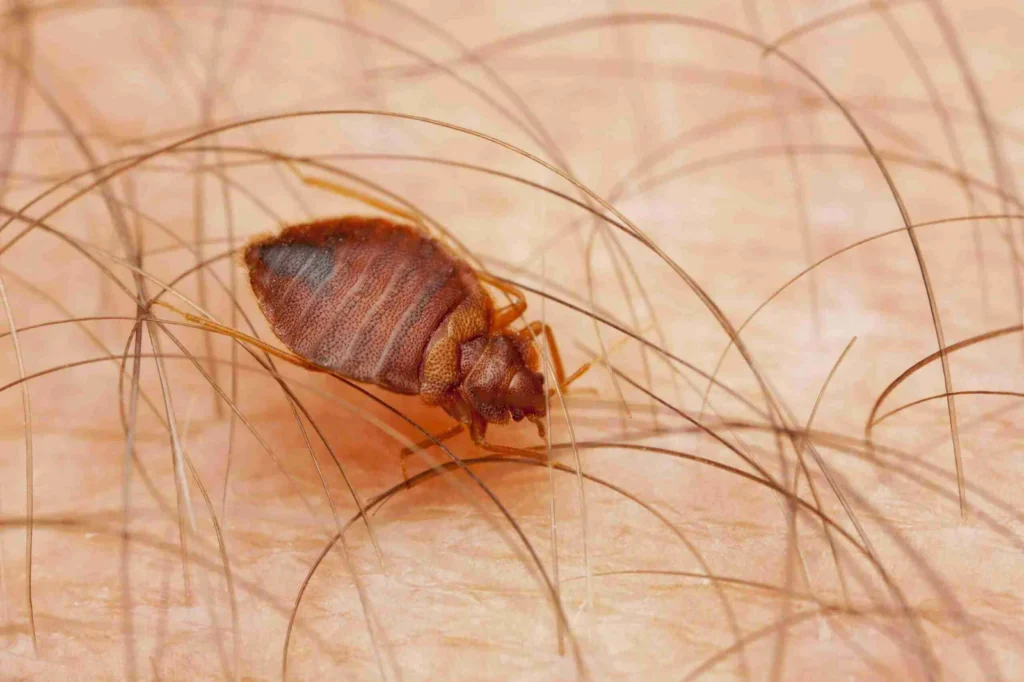
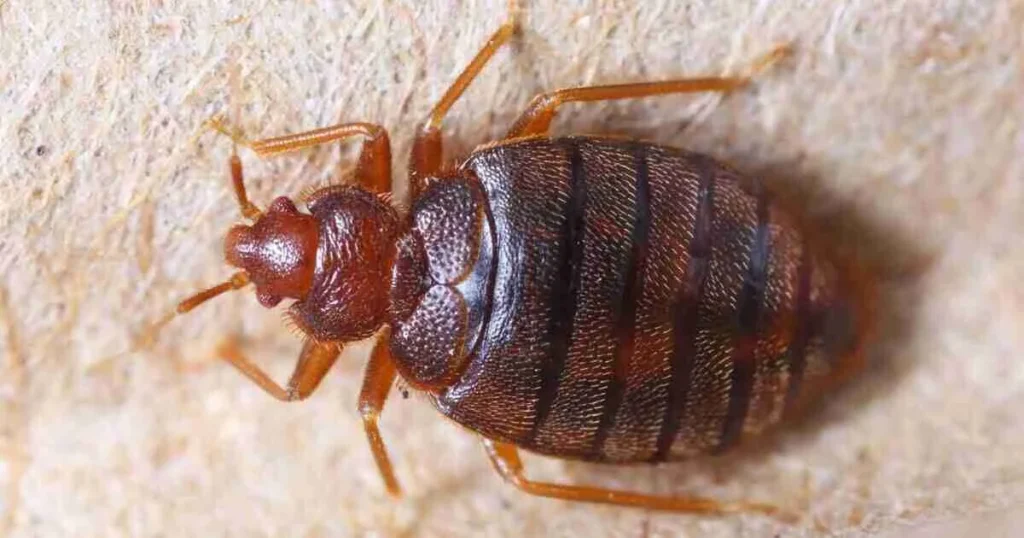
Good for watching insect activity, not our choice for catching mice.
When it comes to mouse traps vs bait stations, the best results come from using both in the right places. Snap traps catch mice quickly inside. Locked bait stations reduce the population, both inside and around the outside of the home.
Light mouse activity is covered on all of our home pest control plans. Here’s how each tool works and what we use.
Mouse traps vs bait stations, which works better?
Snap traps kill mice quickly and let you see results right away. They’re reusable and contain no poison. The downside is that someone has to empty them, and they only catch the mice that walk over them.
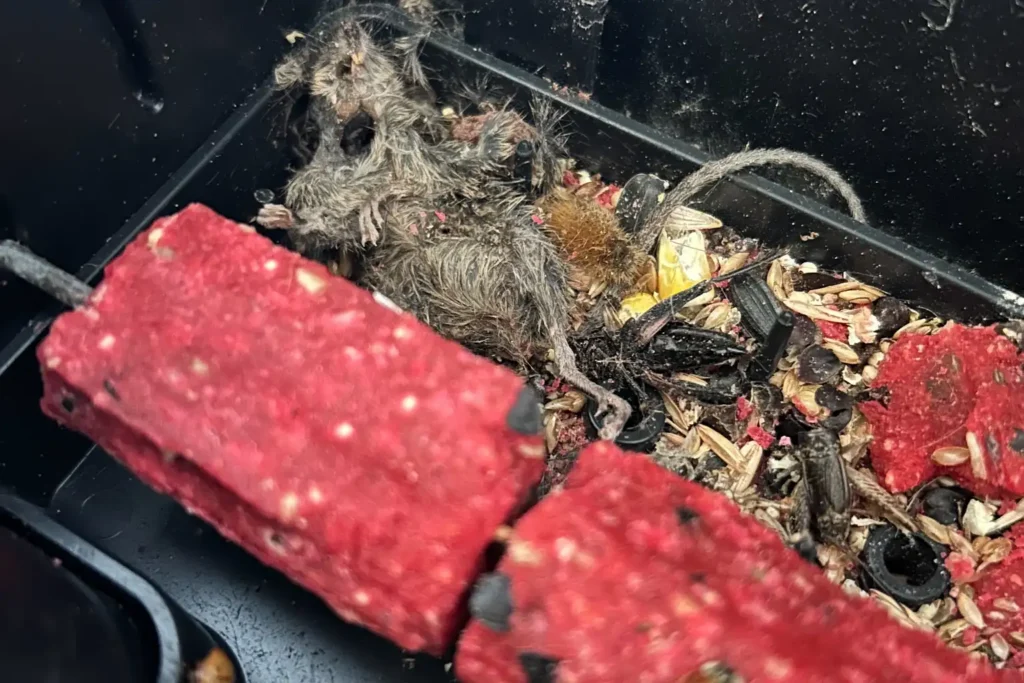
Bait stations hold rodenticide inside a locked, tamper-resistant box. Mice go in, feed and leave. Stations reach more of the population, including mice you never see. We use both: snap traps where kids and pets can’t reach, and interior and exterior stations to knock the population down.
Are bait stations safe for kids and pets?
Bait stations are designed to keep bait away from kids and pets. Ours are tamper-resistant, and exterior stations are weighted so they can’t be carried off.
That matters because rodenticide is an anticoagulant. A pet that eats it can suffer internal bleeding. That’s why our techs never use loose bait or throw packs, and never place rodenticide anywhere except inside a locked station. Inside, stations go in corners, under or inside lower cabinets and behind furniture. Read more in our safe pest control for kids and pets guide.
Should I use glue boards for mice?
We don’t use glue boards to trap mice. They’re slow and messy, and they can catch pets, birds or other animals by accident.
Glue boards are good for monitoring insect activity, so we sometimes place one just inside the garage. For mice, snap traps and stations work better.
What happens after a trap catches a mouse?
Between visits, you can throw out the trap with the mouse or reset it, whichever you’re comfortable with. Our tech replaces traps on the next visit. We don’t send a tech out just to empty traps.
With the right mix of mouse traps vs bait stations, you’ll usually see a big drop in activity within about two weeks. For heavier problems, we recommend bi-monthly pest control with a follow-up at about 3 weeks. Our post on professional vs DIY pest control compares the options.
Hoping to wait it out? See whether mice leave on their own, what to do about mice in the walls and what rodent control costs.
Want mice handled safely? Call 913-735-5451, answered 24/7, or schedule online. Most services can be scheduled same day.
Frequently Asked Questions
The best way to get rid of mice is a combination of snap traps, locked bait stations and sealing entry points. Traps catch mice quickly, stations reduce the population and sealing keeps new mice out.
No, rodenticide is only ever placed inside locked, tamper-resistant bait stations. Our techs never use loose bait or throw packs.
We don’t use glue traps to catch mice because they’re slow and can trap pets or other animals. We only use glue boards to monitor insect activity.
Between visits, homeowners throw out or reset traps with mice in them, and our tech replaces traps on the next visit. We don’t make special trips just to empty traps.
Yes, a mouse that eats bait can die in a wall, and the smell can last a couple of weeks. That’s why we only use bait inside the living space in extreme cases, after discussing it with you.