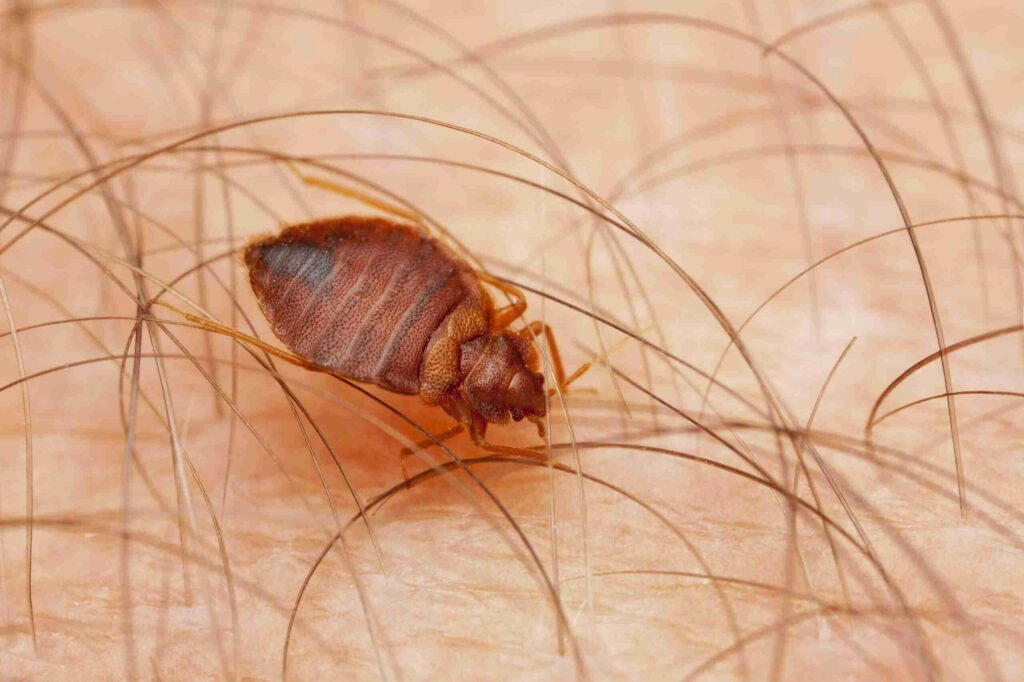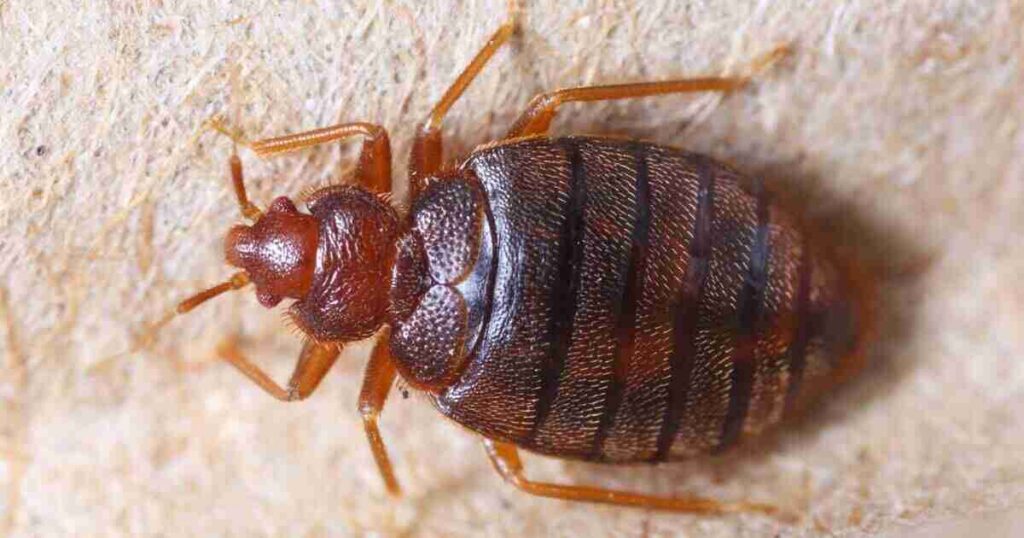

Where do bed bugs hide once they move into a room? Not just the mattress. Outlets, baseboards, and the seams of a couch or upholstered chair are all common hiding places. So are the joints and cracks of nightstands and dressers.
A flashlight helps here too. Check behind headboards and inside picture frames hung near the bed. Look along the edges of carpet where it meets the wall. Drawer joints and the underside of furniture are easy to overlook, but worth checking, especially once an infestation has had time to spread beyond its starting point.
Where Do Bed Bugs Hide in a Living Room or Office?
The same principle applies outside the bedroom. Couches, recliners, and desk chairs all have seams and cushions bed bugs can settle into, especially in a home office or den where someone spends long hours seated. Check baseboards near outlets in these rooms too, since bed bugs travel along wiring and pipes between walls.
Checking the obvious spot is a start, not the whole job. See Bed Bug Inspection & Detection, or review the 9 Early Signs of a Bed Bug Infestation to know what to look for along the way.
Frequently Asked Questions
Yes. Adult bed bugs can go weeks or months without feeding, so an infrequently used room can still harbor an active infestation.
Yes. Bed bugs can hide in clothing, drawer joints, and other spots away from the bed, especially once an infestation has had time to spread.