Most people discover they have bed bugs weeks into an infestation, not on day one. The signs were there the whole time. They just didn’t know what they were looking at. Anecdotally, our technicians at Rock Pest Control often see mattresses covered in evidence that someone slept on for weeks to months without recognizing what it meant. By the time they called us, what started as a handful of bugs had turned into a full infestation in the seams, the box spring, and sometimes the headboard.
So what are the first signs of a bed bug infestation? The good news is that bed bugs leave behind a clear, specific trail of physical evidence. You don’t need special equipment to find it. You need to know what to look for and where to look. This checklist gives you exactly that. If you’re already itching and suspicious, start here.
What Are the First Signs of a Bed Bug Infestation?
The earliest, most reliable evidence isn’t a live bug; it’s what they leave behind. Most people spot staining on bedding before they ever see an insect, which makes the mattress your first and most important stop. The first signs of a bed bug infestation typically fall into a few distinct categories: physical stains, biological debris, smell, and bite patterns. Each one is addressed below.
What Bed Bugs Leave Behind on Your Sheets and Mattress
Rusty Blood Stains on Your Bedding
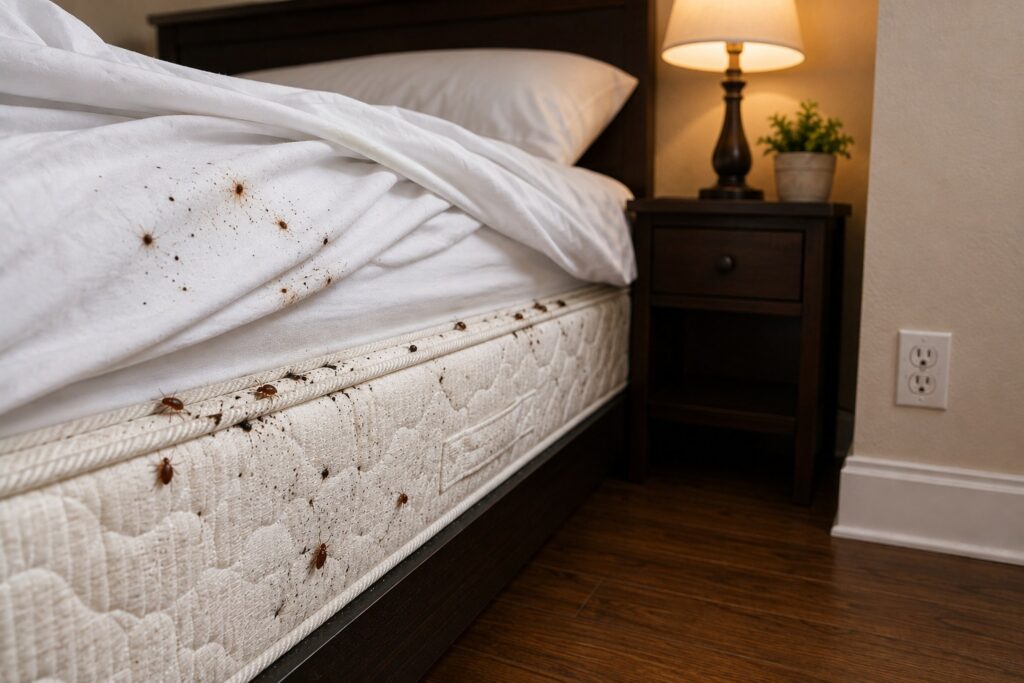
These show up as small reddish-brown spots on sheets or mattress fabric. They happen when a bed bug gets crushed after feeding or leaves a smear from the bite site. What makes them distinct from random fabric stains: they’re small, round or slightly smeared, and concentrated near where you sleep rather than scattered across the whole sheet. Fresh spots look red. Older ones dry to a rust or dark brown color.
Tiny Dark Droppings That Look Like Ink Specks
Bed bug fecal spots are flat, dark brown to black dots that bleed into fabric rather than sitting on top of it as a solid pellet. Think of what a fine-point ink pen looks like when it bleeds into cloth; that’s the closest comparison. They cluster along mattress seams, tufts, and tags. On white sheets, they’re easy to spot. On dark fabric, run a damp white cloth over the suspect area: if it smears rusty-brown, those are bed bug droppings. Regular dirt doesn’t do that.
Shed Skins and Pale Eggs Tucked into Seams
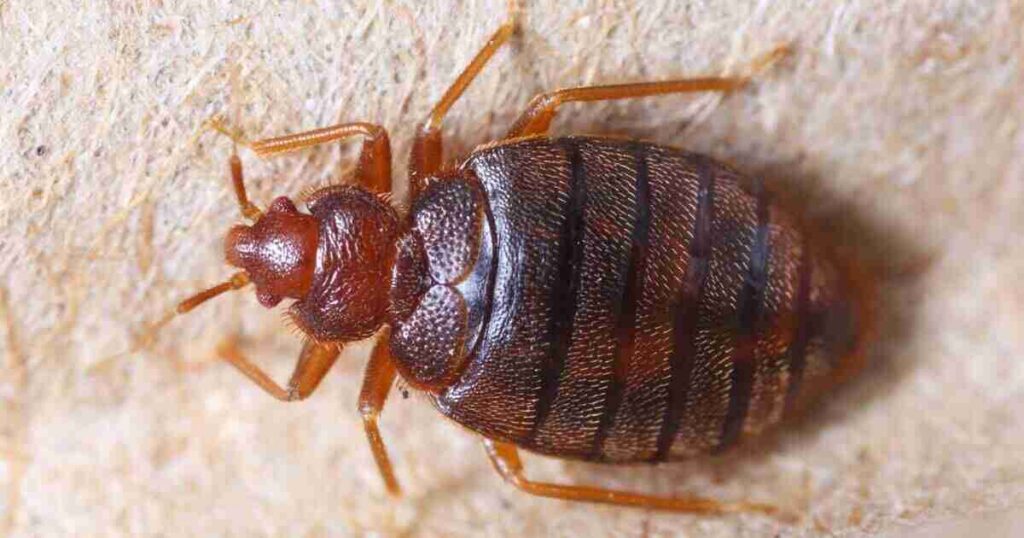
Shed skins are translucent, hollow casings that hold the exact shape of the insect. They look papery and insect-shaped, not crumb-like or round. Eggs are tiny, white, and oval, about 1mm in size, roughly the tip of a ballpoint pen. Both are usually found in mattress seams, folds, and tight crevice points. Finding even one shed skin tells you bed bugs have been present long enough to grow. Bed bugs shed five times before reaching adulthood, so a collection of casings tells you the infestation has been developing for a while.
Two Signs of Bed Bug Infestation Most People Miss: Smell and Bites
Stains are the clearest early evidence. But two other clues show up before a full infestation takes hold, and both get written off as something else almost every time.
The Musty, Sweet Odor of an Active Infestation
Bed bugs release pheromones that produce a faint musty-sweet smell, often compared to coriander or damp towels left in a pile. The scent becomes detectable as the population grows; studies suggest odor becomes noticeable in rooms with roughly 200 or more bed bugs. It’s most noticeable in an enclosed sleeping area with the door shut. On its own, the smell isn’t enough to confirm an infestation. But if you’re already seeing stains and you notice an unexplained odor in the bedroom, treat that as a confirming detail and inspect more thoroughly.
What Bed Bug Bite Clusters Actually Look Like
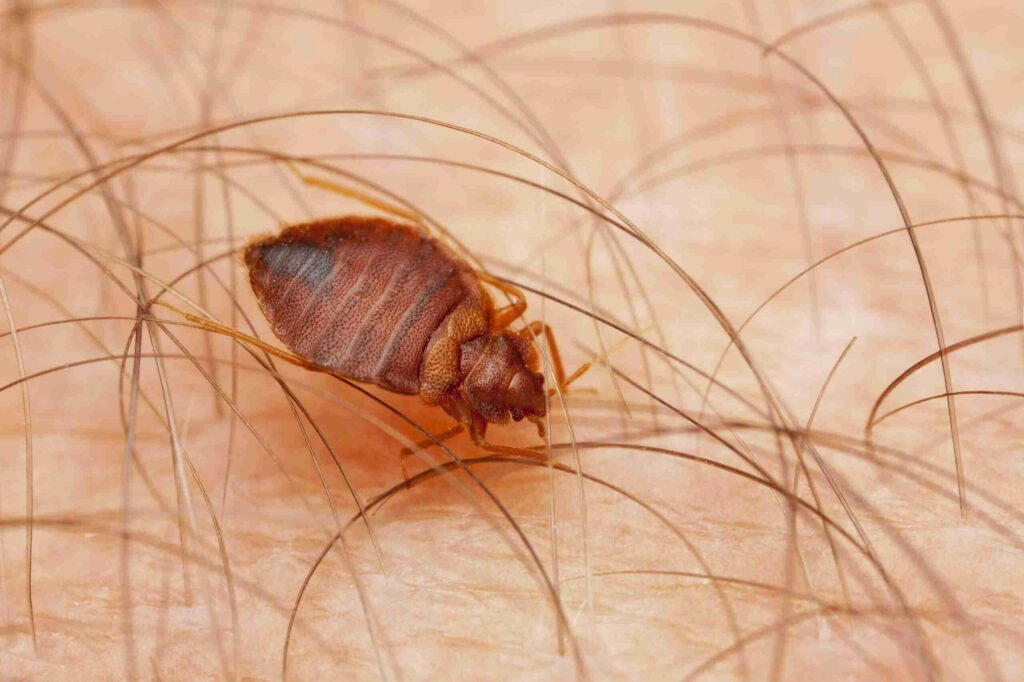
Bed bug bites appear as small, red, raised bumps in rows, zigzag patterns, or tight clusters on skin exposed while sleeping: arms, neck, shoulders, and face. The classic pattern is three bites in a line, sometimes called “breakfast, lunch, and dinner” because of how feeding sequences work. Reactions can take hours to days to appear, and some people never show any visible reaction at all. That last point matters: the absence of bites does not mean the absence of bed bugs.
How to Separate Bed Bug Bites from Flea or Mosquito Bites
The key is pattern and location, not the look of any single bite. Bed bug bites cluster in lines or groups on arms, neck, and shoulders, wherever skin is exposed during sleep. Flea bites concentrate on ankles and lower legs and tend to itch immediately. Mosquito bites are isolated and scattered, not grouped, and they appear on random exposed skin rather than following a feeding route. If you’re seeing three or more bites in a line or tight cluster on skin that was covered by a blanket during sleep, that points strongly toward bed bugs.
Dermatological conditions get confused with bed bug bites regularly. Hives move around and can appear anywhere. Contact dermatitis shows up as patchy redness or blistering where skin touched an irritant. Scabies causes intense nighttime itching with bumps in the finger webs, wrists, and waistline, not in clusters on the arms and neck. When bites appear consistently in a grouped pattern after sleeping in the same spot, the cause is almost always environmental, not dermatological.
Where Bed Bugs Actually Hide in Your Room
Bed bugs tend to stay within a few feet of their food source unless carried or attracted elsewhere, and they compress into cracks thinner than a credit card. Knowing their specific hiding spots is what makes an inspection effective rather than just a guessing exercise.
The Bed Itself: Mattress, Box Spring, and Frame
Early infestations are almost always concentrated at the mattress first. Start with the seams, piping, tufts, and tags; run your fingers along each one with a flashlight. Then check the box spring: pull back the dust cover on the underside and look at the interior frame and fabric. Move to the bed frame joints, cracks, and screw holes. Bed bugs flatten themselves into these gaps and are easy to miss on a casual look. Take your time here before moving anywhere else.
Beyond the Bed: Headboards, Furniture, and Wall Gaps
As an infestation grows, bugs move outward from the bed. The headboard is the first secondary location: check both sides and the gap behind it where it meets the wall. Upholstered chairs and sofa cushions in the bedroom are next. After that: drawer joints, baseboards near the bed, loose wallpaper, and electrical outlet plates. A heavy infestation will show evidence in multiple zones at once. Finding evidence in multiple locations- the mattress plus the headboard and nearby furniture, for example- strongly suggests the infestation is well established.
Your Bed Bug Inspection Checklist
This takes about 5- 10 minutes. Do it systematically, and you won’t miss the spots most people skip. Grab a flashlight before you start; it makes a real difference in the seams and joints.
Checking the Mattress and Bedding
Strip the bed completely. Examine the fitted sheet and mattress cover for rust-colored stains or ink-like spots. Fold back each mattress seam and inspect with a flashlight, looking for fecal spots, eggs, shed skins, or live bugs. Press along every tuft and tag. Flip the mattress and check the underside where it rests against the box spring; that contact surface is a common early harborage site.
Scanning the Frame, Headboard, and Nearby Furniture
Run a card along every bed frame joint and screw hole. Pull the headboard away from the wall and inspect both sides and the back edge. If there’s an upholstered chair or sofa in the bedroom, check the cushion seams and the fabric underneath. Scan the baseboards nearest to the bed, especially where they meet the floor or wall.
If you’re checking off two or more items on this list– stains, droppings, shed skins, an unexplained odor, or bite clusters- don’t wait. Rock Pest Control provides free estimates within 24 hours across the Kansas City metro area, so you can get a professional assessment fast without guessing at what you’re dealing with. A confirmed early finding is much easier to treat than one that’s had another month to spread.
What to Do Once You Find the Signs
What you do in the next 24 to 48 hours matters. The wrong moves spread the infestation. The right moves slow it down and make treatment faster and more effective.
Immediate Containment Steps Before Calling Anyone
Don’t move bedding or furniture to other rooms; that’s the fastest way to spread bugs to unaffected areas. Seal infested linens in plastic bags before carrying them to the laundry. Wash and dry on the highest heat setting. Vacuum the mattress seams, box spring, frame, and baseboards thoroughly, then immediately seal the vacuum contents in a plastic bag and take it outside. Document everything you found with photos before disturbing it further.
One thing many people do instinctively that makes the problem worse: moving to the couch or a guest room to sleep. Bed bugs follow their food source. Sleeping elsewhere spreads them to new areas of the home faster than staying put.
When to Call a Professional Exterminator
If you found physical evidence on the mattress, bites in a cluster pattern, or any visible eggs or shed skins, DIY treatments won’t fully eliminate the population. Bed bugs are highly resilient to over-the-counter sprays, and missing even a small cluster of eggs can allow the infestation to re-establish within a few weeks. Heat treatment is one of the most effective single-treatment options available; it reaches many hiding spots in a room simultaneously without repeated chemical applications, and professionals often combine it with other tactics for the best results. It’s a core part of what Rock Pest Control specializes in, which is why we can back our work with a satisfaction guarantee. A professional assessment isn’t a last resort. It’s the efficient move when the evidence is already there.
The Bottom Line
Knowing what the first signs of a bed bug infestation look like gives you a real advantage. Bed bugs leave behind specific, visible evidence long before an infestation becomes severe. Rust-colored stains, ink-like droppings, shed skins, a faint musty odor, and grouped bite clusters are all detectable early, if you know what you’re looking for. The difference between a straightforward treatment and a months-long ordeal almost always comes down to how quickly those signs of bed bug infestation were recognized and acted on.
If the inspection in this article produced more than one confirmed finding, the smartest move is a professional assessment. Rock Pest Control covers the Kansas City metro area, including Overland Park, Liberty, and Independence, and delivers free estimates within 24 hours. There’s no reason to sit on a suspicion and let it grow into something bigger.
Frequently Asked Questions
What are the first signs of a bed bug infestation?
The earliest signs are usually rust-colored blood stains on sheets, small dark fecal spots that bleed into fabric, and shed insect skins along mattress seams. Bite clusters on exposed skin and a faint musty odor are also early indicators, particularly when combined with physical evidence on the mattress.
How do I know if I have bed bugs or something else?
Look for the combination of physical evidence, stains, droppings, shed skins, along with bites in a line or cluster pattern on skin that was covered while sleeping. Isolated or random bites without mattress evidence are more likely from fleas or mosquitoes. When two or more types of evidence appear together, bed bugs become the most probable explanation.
How do you spot bedbugs if you haven’t seen a live one?
Focus on what they leave behind rather than the bugs themselves. Use a flashlight to check mattress seams, box spring interiors, and bed frame joints for fecal spots, shed skins, or pale white eggs. These physical traces are often visible long before a live bug is spotted.
Can you have a bed bug infestation without knowing it?
Yes. Some people show no skin reaction to bites at all, and the early physical signs are easy to mistake for ordinary dirt or fabric discoloration. That’s why a systematic mattress inspection, even without symptoms, is the most reliable way to catch an infestation early.