Damage hides behind the surface
Termites eat wood from the inside out, so the outside can look fine for a long time.
Hollow wood.
Tap it, and damaged wood sounds hollow or feels soft.
Mud tubes.
Pencil-wide dirt tubes on the foundation are a classic clue.
Stop it first.
Treat the termites before any repairs are made.
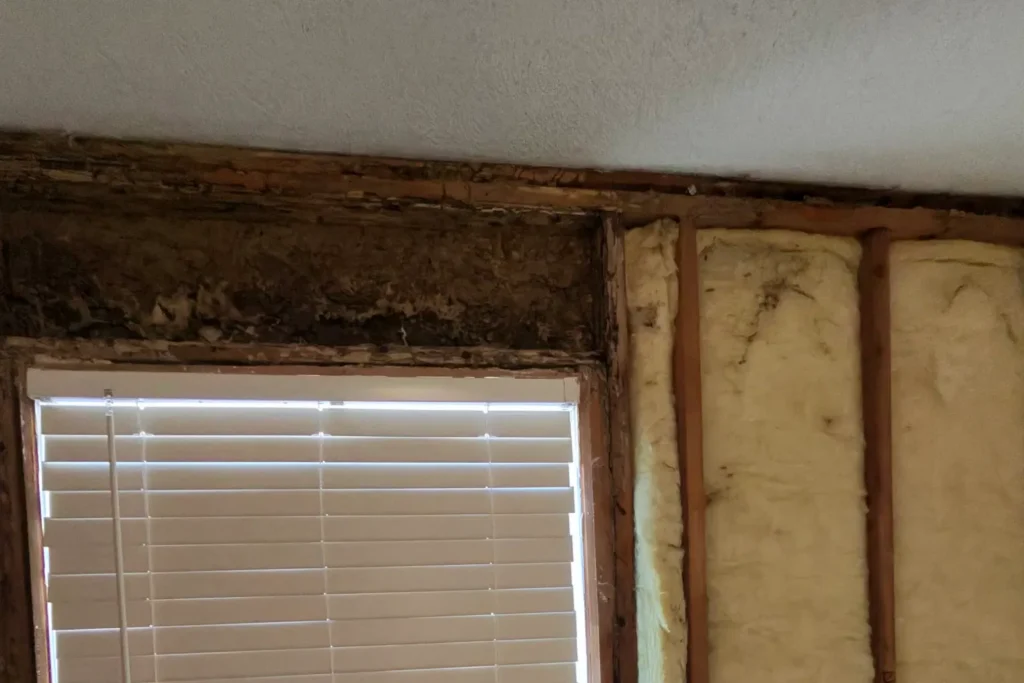
Termite damage often looks like wood that’s hollow, soft or crumbling, with tunnels running along the grain packed with dirt. Because termites eat from the inside out, termite damage can go unnoticed until a board gives way or a wall gets opened up.
Termites aren’t covered on regular home pest control plans, so if you suspect termite damage, start with a free inspection. Here’s what to look for.
What are the signs of termite damage?
The most common signs of termite damage are hollow-sounding wood, soft spots in floors or trim and paint that bubbles or blisters. Inside damaged wood, you’ll see tunnels packed with soil.
Other clues include mud tubes along the foundation or basement walls, doors and windows that suddenly stick and piles of shed wings from swarmers. Read more about how to know you have termites.
Termite damage vs water damage, how can you tell?
Termite damage and water damage can look a lot alike, since both leave soft, sagging wood. The difference is inside. Termite damage has tunnels and dried mud. Water damage usually has staining, mold or a musty smell, with no tunnels.
Moisture and termites often go together, because damp wood attracts them. If you’re not sure, our certified inspector can tell you and send photos.
Where does termite damage show up in Kansas City homes?
Kansas City termites are subterranean, so termite damage usually starts low. Basement sill plates, door frames, baseboards, porch and deck posts and wood touching the soil are common spots.
We sometimes find live termites coming up through cracks in a basement slab. Our guide to basement pests covers other pests that like those same damp spots.
What should I do if I find termite damage?
Get an inspection before you repair anything. Fixing damaged wood while termites are still active just gives them new wood to eat.
Our inspections are free, usually same day or next day, and you get a report with photos by email. We treat the termites with liquid treatment or Sentricon. We don’t repair termite damage, so once the termites are handled, a contractor can make repairs. Learn more about our termite control service.
Seeing other signs? Read about termite swarmers in the house, what happens at a termite inspection and termite treatment cost.
Found damaged wood? Call 913-735-5451, answered 24/7, or schedule online. Most services can be scheduled same day.
Frequently Asked Questions
Yes, a contractor can repair or replace termite-damaged wood. Treat the termites first so they don’t move into the new wood. We treat termites but don’t make repairs.
Termite damage builds slowly over months and years, which is why it’s often found late. Catching termites early with an inspection keeps the damage small.
No, we focus on getting rid of the termites. If you want repairs, a contractor will need to handle them.
Not always. Old damage can be left from termites that are gone. An inspection checks for live activity so you know if treatment is needed.
No, our termite warranty covers treating new termite activity, not repairing damaged wood.