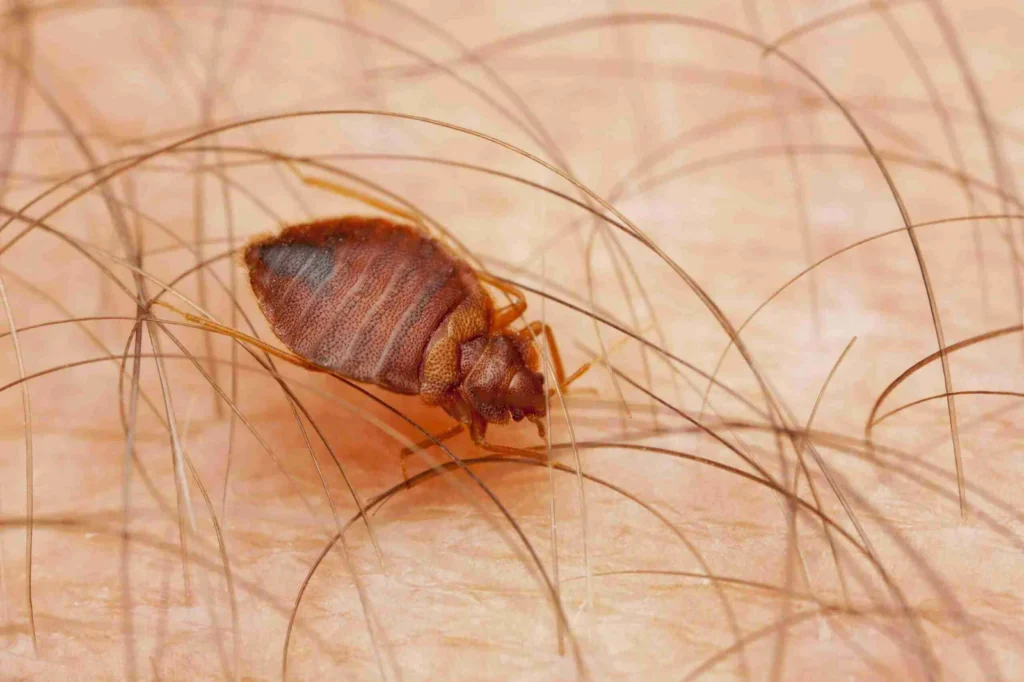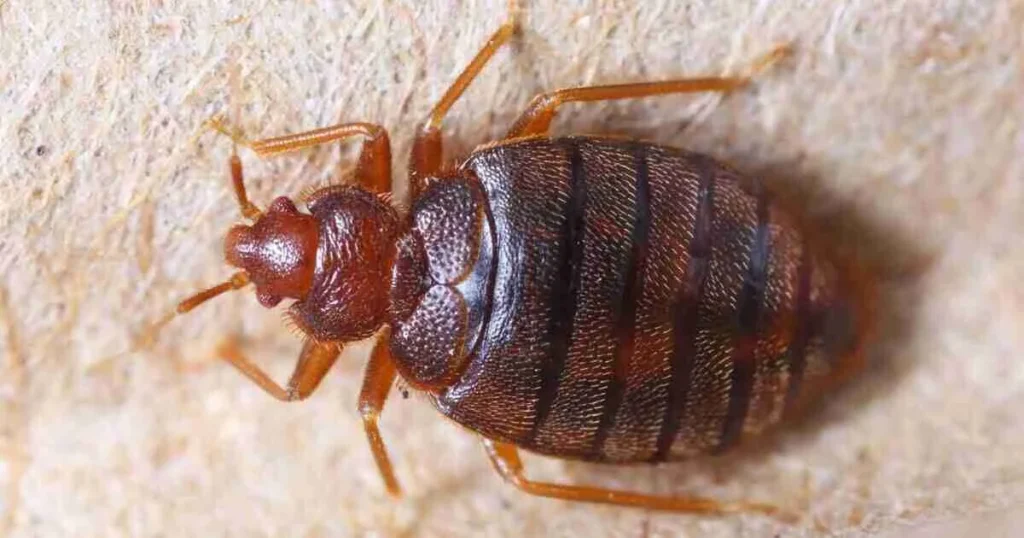
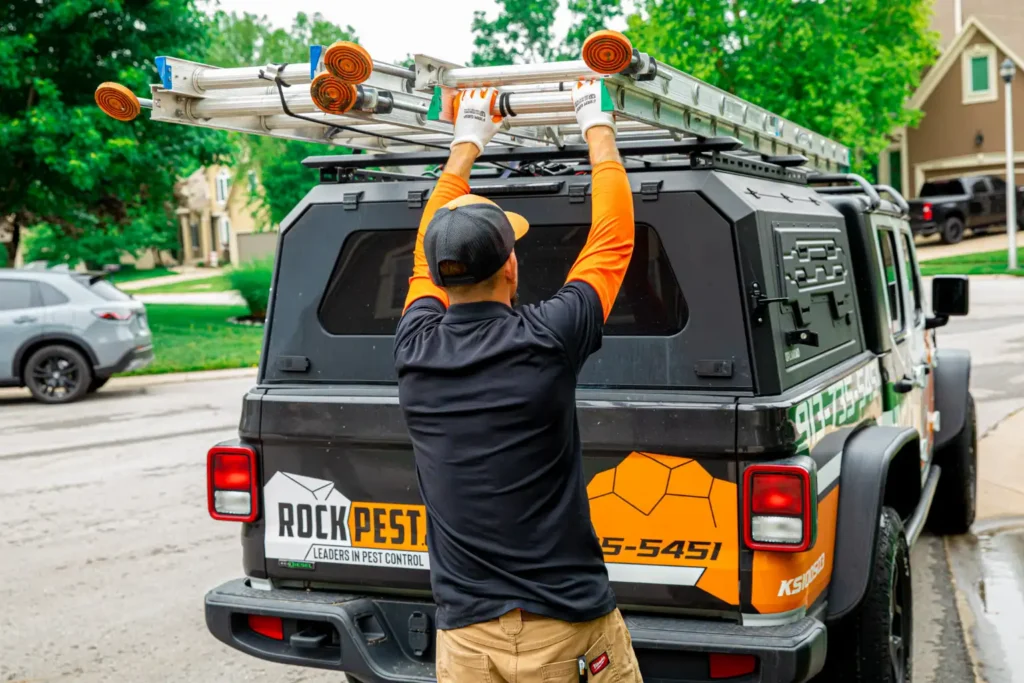
Pests don’t take winter off
When it gets cold outside, some pests head straight for your warm house.
Mice.
Mice move in when nights turn cold, and light activity is covered on any plan.
Fall invaders.
Boxelder bugs and stink bugs slip inside to spend the winter.
Roaches.
Cockroaches live indoors and stay active all year.
Yes, pest control in winter works, and it matters more than most people think. Cold weather pushes mice and overwintering pests inside, and cockroaches stay active indoors all year.
That’s why we recommend year-round pest control instead of stopping when the leaves fall. Here’s what goes on in Kansas City homes over the winter.
Do pests go away in winter?
Not really. Many pests slow down outside, but some move into your house to stay warm.
Mice and fall invaders like boxelder bugs and stink bugs come in when nights turn cold. Once inside, they hide in walls, attics and basements until spring. Our Kansas City pest calendar shows what shows up when.
What does pest control in winter focus on?
Every visit is matched to your home’s layout, pests and season. In winter, the tech checks entry points for new activity and treats inside where needed.
Techs also seal small mouse gaps with copper mesh. Bigger exclusion jobs go to our wildlife team, who quote the work.
How does pest control in winter change when it’s freezing?
When it’s freezing, we don’t use the spray method outside. We switch to dusting the exterior and weep holes, granules and rodent station checks.
The dust goes into the common spots where pests overwinter. We keep treating the interior if you want it. Bug activity drops in winter, but mouse activity definitely increases, so checking rodent stations matters most this time of year.
How do mice get in during winter?
Mice squeeze through small gaps around pipes, vents and doors. Light mouse activity is covered on any plan.
For step-by-step tips, see how to stop mice from getting into your house this winter and our winter rodent control guide. Rats are different. They’re handled by our wildlife team, not general pest plans.
Do cockroaches go away in winter?
No. Cockroaches live indoors, so the cold outside doesn’t slow them down.
German cockroaches breed fast in warm kitchens and bathrooms. If roaches are the main problem, start with monthly or bi-monthly service, then step down to quarterly once they’re under control. Our post on how often roaches and mice need service explains why.
Why keep pest control going in winter?
Skipping winter leaves a gap right when pests are looking for a way in. Year-round service keeps protection in place and catches problems early.
Plans run on a 12-month agreement, so pest control in winter is already part of your plan. Free re-service between visits covers you all winter too. If something shows up, we’re usually back the same day or within 48 hours.
Bringing in a tree or holiday boxes this season? Read about bugs in Christmas trees and holiday decorations.
Burning wood this winter? Here’s how to store firewood without bringing bugs in.
Bugs showing up on warm winter days? Read about stink bugs in winter and cluster flies.
Hearing scratching in the walls or seeing bugs indoors? Call 913-735-5451, answered 24/7, or schedule online. Most services can be scheduled same day.
Frequently Asked Questions
Yes, winter is when mice and overwintering pests like boxelder bugs and stink bugs move inside. Year-round service keeps protection in place while they look for a way in.
Mice, cockroaches and overwintering insects like boxelder bugs and stink bugs are the most common indoor pests in winter. Rats are handled separately by Rock Pest’s wildlife team.
Yes, light mouse activity is covered on any Rock Pest plan, and techs seal small gaps with copper mesh. Rats are not on general pest plans and go to the wildlife team.
No, cockroaches live indoors and stay active all year. Homes where roaches are the main problem should start on monthly or bi-monthly service.
Yes, Rock Pest plans run on a 12-month agreement, so visits continue through winter. When it’s freezing, we switch from spraying to dusting the exterior and weep holes, granules and rodent station checks.