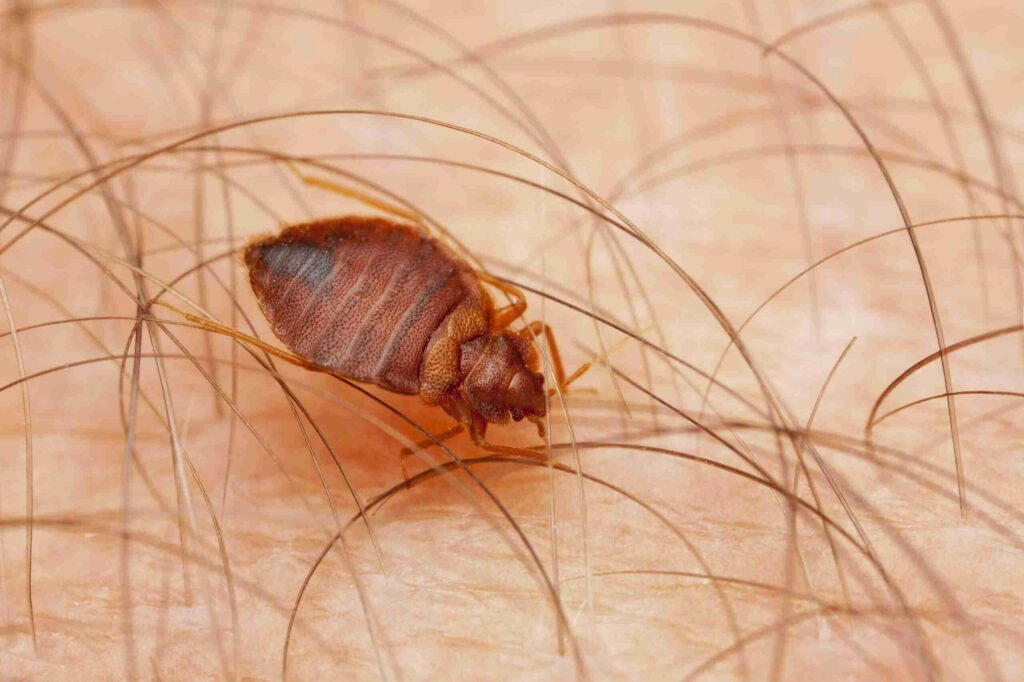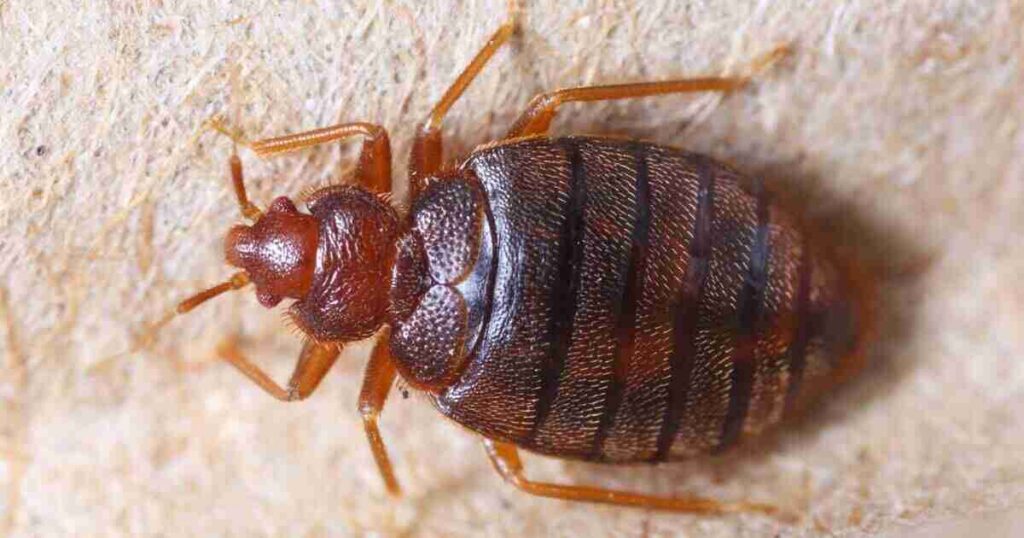
Knowing how to inspect used furniture for bed bugs is one of the most useful skills for anyone shopping secondhand, since used furniture is one of the most common ways bed bugs get into a home in the first place. A careful inspection before a piece crosses your threshold is the best way to stop an infestation before it starts.
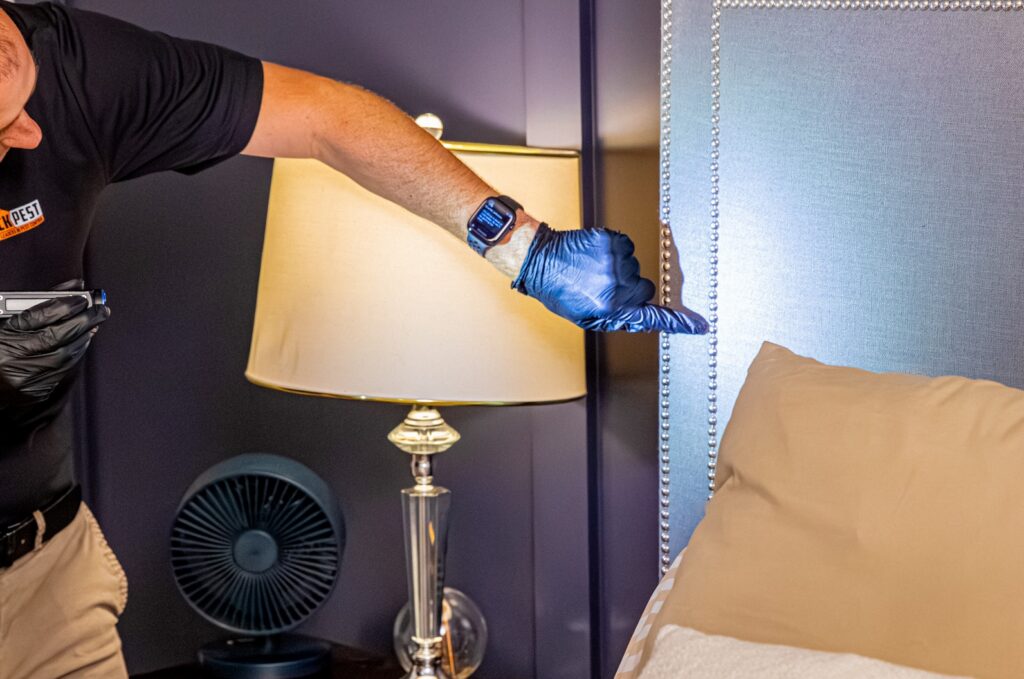
Start with the seams, piping, and tufting on upholstered pieces, since that is where bed bugs and their eggs tend to hide first. Flip cushions over and check the underside of the frame, the legs, and any joints or cracks on wood furniture like dressers and nightstands. Drawers deserve extra attention too. Pull them all the way out and check both the runners and the back corners, where bugs often settle undisturbed for weeks. A flashlight makes small eggs and dark spotting much easier to spot than daylight alone, especially in the folds of fabric or along dark wood grain.
How to Inspect Used Furniture for Bed Bugs, Room by Room
A couch or recliner typically takes the longest to check carefully, since there are more seams and cushions involved than with a single dresser or nightstand. Work through one piece at a time rather than rushing the whole room, and keep a bag or sealed container nearby for any small parts, like cushion covers, that you want to look at more closely under better light. If you are buying from an estate sale or a secondhand shop rather than a private seller, ask whether the piece has been stored in a climate-controlled space. Bed bugs tolerate a wide range of conditions, but prolonged heat or cold can sometimes reduce activity.
If anything looks off, even a few small dark specks, treat it as a reason to pass on the piece or have it inspected professionally first. See Bed Bug Inspection & Detection, or check the 9 Early Signs of a Bed Bug Infestation to know exactly what you are looking for.
Frequently Asked Questions
No, even furniture that looks pristine can carry bed bugs, since the signs are often small and easy to miss.
Not necessary if a careful inspection turns up nothing, though isolating a new piece for a few days is an extra precaution some people prefer.