If you’re frustrated with home pest control methods that aren’t delivering results, three different sprays on the shelf, peppermint oil soaked into every baseboard, and cockroaches still crossing the kitchen counter every morning, the problem isn’t effort. It’s sequence. Most homeowners commonly reach for a product before confirming what they’re dealing with, and that pattern drives the frustration cycle.
This guide walks through the household pest control methods that actually have evidence behind them, explains why some popular DIY approaches fail reliably, and draws a clear line between what you can realistically handle yourself and what needs professional eyes. The framework throughout is Integrated Pest Management (IPM): identification and prevention come first, chemicals last. It’s the same approach used by professional exterminators, which is exactly why those pros consistently outperform a shelf full of store-bought products.
Start with the right framework: Identify before you treat
Confirm what you’re dealing with before spending anything
Treating the wrong pest wastes money and delays real solutions. A German cockroach infestation and an American cockroach problem require different approaches, and silverfish damage can look almost identical to carpet beetle damage until you find the source. Before buying anything, spend 15 minutes gathering evidence: droppings, damage patterns, shed skins, and the time of day when activity peaks. Sticky monitoring traps are inexpensive and tell you exactly which pests are active and where they’re concentrated, far more useful than guessing.
Set a realistic action threshold
IPM doesn’t demand zero pests; it asks whether the pest population is causing real harm through structural damage, health risk, or a rising infestation trend. A single spider in the garage or an occasional ant in early spring probably doesn’t warrant chemical treatment. What does warrant action is escalating activity, droppings showing up in new locations, visible structural damage, or any pest associated with disease risk. Getting that judgment right saves you from over-treating and from under-treating.
Sanitation and moisture removal as first-line prevention
Every pest needs three things: food, water, and shelter. Cutting off those resources is the most durable pest prevention move available to a homeowner. Store food and pet food in sealed containers, fix leaks promptly, reduce clutter, and vacuum along baseboards and cabinet interiors regularly. For ants, cockroaches, and rodents, this step alone can break an infestation cycle when paired with entry-point sealing.
Home pest control methods: Sealing entry points
Where to inspect first and what to look for
Start outside at the foundation and work upward. In Midwest homes, fall is when rodents and insects actively search for warmth, and they don’t need much space. A house mouse fits through a gap roughly a quarter-inch wide. Look for cracked masonry where the foundation meets siding, gaps around utility penetrations, worn door sweeps, loose window screens, and openings at soffits or roof vents. Inside, check under sinks, behind appliances, along baseboards, and in crawl spaces. Grease marks along walls and concentrated droppings both indicate active travel routes worth prioritizing.
Materials that hold up against rodents and insects
The right material matters as much as finding the gap. Small cracks take exterior-grade silicone or elastomeric caulk. Rodent-accessible holes need copper mesh or galvanized hardware cloth packed in first, then secured with sealant or mortar. Foam alone gets chewed through, a common and expensive mistake. Doors need metal or rubber sweeps with no visible daylight underneath, plus weatherstripping that fully compresses when the door closes.
The mistake of sealing pests inside
Before permanently closing any gap, confirm the route is inactive. Fresh droppings, new gnaw marks, or sounds in the wall mean it’s still in use. Sealing an active route can trap pests inside walls, creating a different and often worse problem, particularly with rodents and wildlife, where a one-way exclusion device is the safer approach. It lets animals exit but not return before the gap is permanently sealed. For insects, combining sealing with an active treatment program is generally safe and effective.
Effective home pest control methods: Traps, baits, and natural treatments
Boric acid and diatomaceous earth: what the research shows
Boric acid works against ants and cockroaches because it’s slow-acting. Workers carry it back to the colony before dying, which means the treatment reaches the source rather than just killing the foragers you can see. Field research from NC State Extension found boric acid dust performed comparably to a residual pyrethroid spray for cockroach control at a lower cost. Apply it as a thin, dry layer in inaccessible cracks and voids, not on open surfaces where people or pets can contact it. Diatomaceous earth works through abrasion and desiccation and loses effectiveness when wet, so dry placement is non-negotiable. Neither product is harmless just because it’s “natural”: inhaling either one is a genuine respiratory hazard.
Snap traps for rodents: placement and realistic expectations
Snap traps remain the strongest DIY rodent control tool when placed correctly. Position them perpendicular to walls with the trigger facing the wall, near droppings or gnaw marks, and use several traps rather than one. Check them daily and continue monitoring until you’ve had 7 to 10 days with no catches, no fresh droppings, and no new gnaw damage. A minor mouse infestation typically clears in one to two weeks with this approach. Trapping without sealing entry points, though, is a revolving door.
What the evidence actually says about essential oils and home repellents
Cinnamon oil shows measurable ant repellency in controlled lab settings, with ants avoiding treated areas in roughly 68 to 83 percent of trials across several published studies. That’s useful context, but it’s repellency, not colony control, and the effect fades quickly under real-world conditions. Peppermint oil for rodents lacks reliable field evidence; it may briefly deter entry at one specific spot but doesn’t address the infestation. Treat these products as very short-term deterrents at best, not substitutes for baiting or exclusion.
What the evidence shows about OTC sprays and foggers
When targeted crack-and-crevice sprays make sense
OTC sprays have a legitimate use case: a small, confirmed infestation in a specific location, using a product labeled for that exact pest and application site. Crack-and-crevice application puts the smallest possible amount directly into hiding spots rather than broadcasting it across a room. Keep sprays away from bait stations; repellent residues prevent cockroaches from feeding on the bait and undermine the more effective approach.
Why foggers and bug bombs keep disappointing homeowners
The core problem with foggers is simple physics. The pesticide settles on exposed horizontal surfaces and doesn’t penetrate wall voids, cabinet interiors, mattress seams, or the crevices where pests actually breed. In a 2012 controlled field study published in the Journal of Economic Entomology on German cockroach-infested homes, every fogger treatment failed to reduce the cockroach population at the two-week and one-month marks. A separate lab study tested three widely sold OTC bed bug foggers and found all three produced little or no meaningful control. That same cockroach research found kitchen pesticide residues averaging roughly 85 times baseline levels after fogging, with some measurements 600 times higher. That’s significant chemical exposure with zero pest control benefit.
Safety rules that protect kids and pets
Remove children, pets, food, toys, and bedding before any pesticide application, and keep everyone out until treated surfaces are fully dry at minimum. Never use an outdoor product indoors. Store all products in their original labeled containers, out of reach of children. When a choice exists between an enclosed bait station and a broadcast spray, always choose the bait station. The exposure profile is narrower, and for established infestations, the results are consistently better.
Pests that reliably outlast home remedies
Why bed bug infestations are a different category entirely
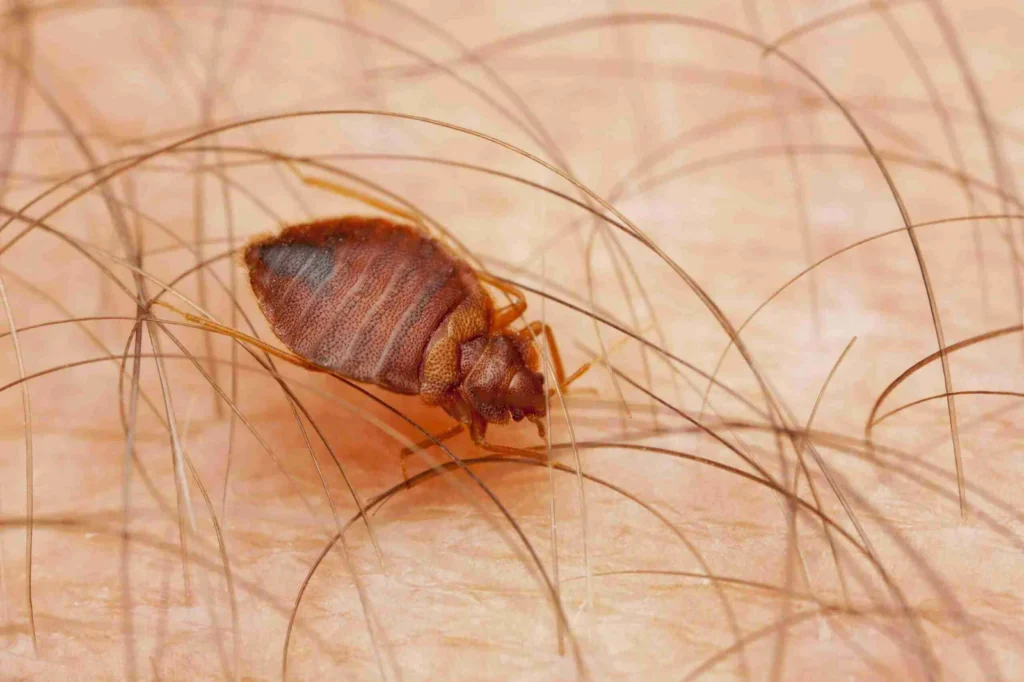
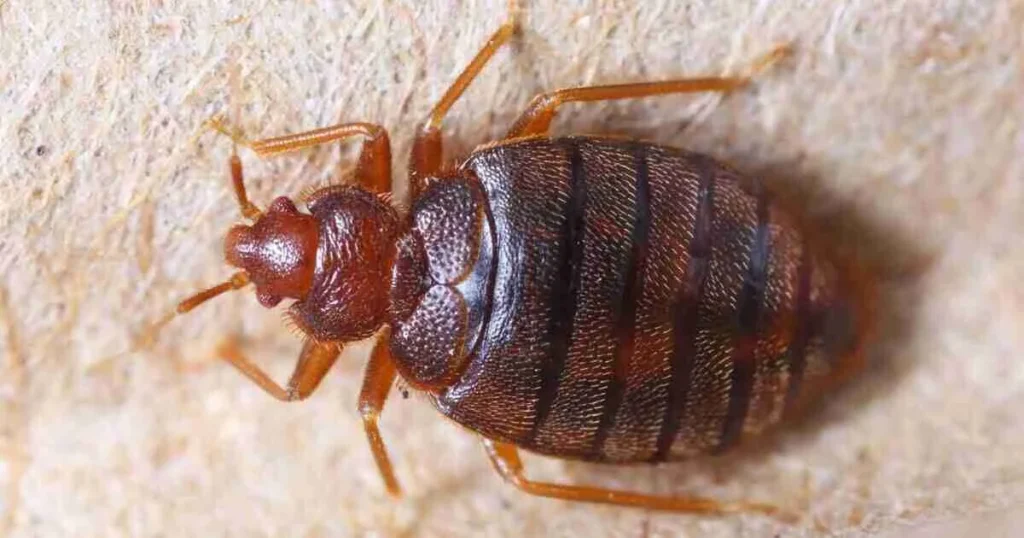
Bed bugs hide in mattress seams, wall voids, electrical outlets, and furniture joints, emerging only to feed. OTC sprays miss the vast majority of hiding spots, and bed bugs have developed resistance to many common pesticide classes. DIY steam cleaners and heat guns rarely sustain the temperatures required throughout an entire room; killing all life stages, including eggs, requires temperatures above 118°F maintained consistently across every harborage site. Professional whole-room heat treatment succeeds in roughly 90 to 97 percent of cases in a single treatment. DIY attempts fully eliminate the infestation in approximately 25 to 34 percent of cases. Those numbers tell you where the money goes further.
Established cockroach colonies in apartments and multi-unit buildings
German cockroach infestations in multi-unit buildings present a problem a single tenant can’t solve alone. Pests move between units through shared walls, plumbing chases, and utility runs. Treating one apartment effectively can simply push the colony into adjacent units, where it rebuilds and returns. Building-wide coordination with a professional pest control company is the only approach that produces lasting results in this setting.
Rodent problems that keep coming back despite trapping
Two to three weeks of consistent trapping with no meaningful reduction in activity signals that the infestation is larger or more established than trapping alone can address. Fresh droppings in new locations, sounds in walls, or gnaw damage in areas you haven’t seen before all point to hidden nesting or entry points in inaccessible spaces. At that stage, the core issue is almost always one or more unsealed openings that haven’t been found yet, and locating them requires a thorough professional inspection.
When to stop buying products and call a professional
Signs your home pest control methods have hit their limit
There are concrete signals that it’s time to stop adding to the product shelf. The same pest keeps reappearing after two or more complete treatment attempts. The infestation involves bed bugs or a confirmed cockroach colony. Trapping hasn’t reduced rodent activity after two to three weeks. Pests are active in walls, ductwork, or roof spaces you can’t access. In many cases, continuing to spend on store-bought products past this point costs more than professional treatment, both in dollars and in the time the infestation is allowed to expand.
What a qualified pest control company actually brings to the problem
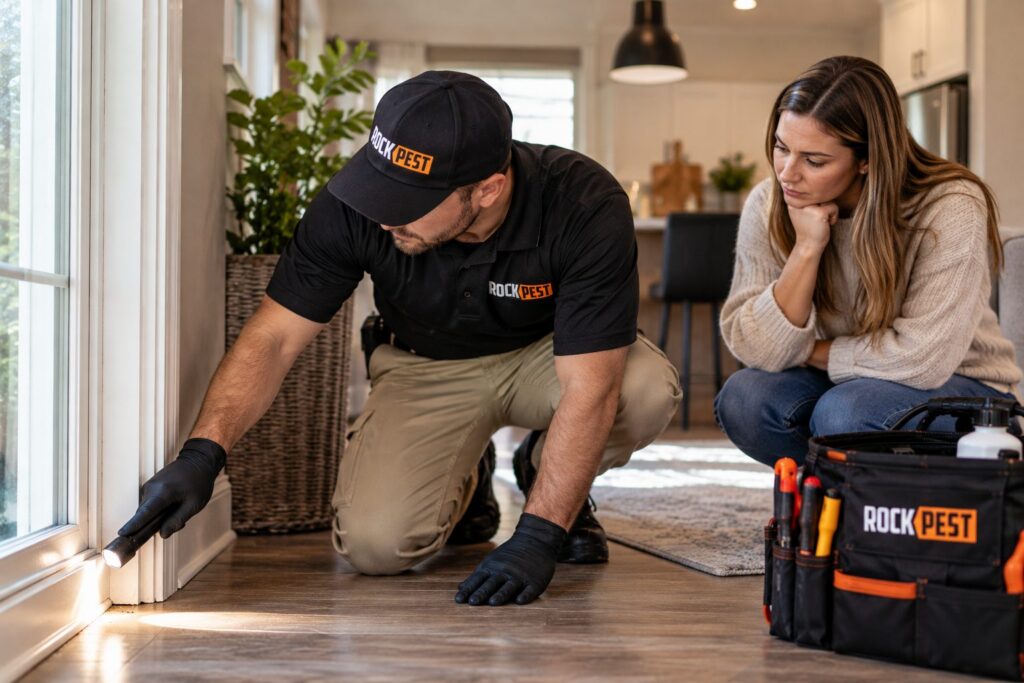
Professional pest control offers something store shelves don’t: accurate identification, commercial-grade targeted treatments, and access to the structural hiding spots where infestations actually live. For Kansas City homeowners who’ve hit that wall, Rock Pest Control offers free estimates, a satisfaction guarantee, and eco-friendly treatment options designed to solve the problem at the source, not just suppress it temporarily. Their bed bug heat treatment reaches every corner of the room at sustained lethal temperatures in a single session, eliminating the cycle of failed DIY attempts and recurring infestations. Reach out to the team directly to get a free estimate and find out what the right treatment plan looks like for your specific situation.
The priority order that actually works
Most minor pest problems respond well to the nonchemical steps in this guide. Identify the pest first, then remove food, water, and shelter. Seal every entry point with the right materials before spending anything on products.
Add targeted traps or bait stations for confirmed activity, and reserve OTC sprays for small, specific problems where the label actually supports their use. The one move that consistently costs homeowners the most is continuing to buy store products after an infestation has outgrown home remedies. Bed bugs, established cockroach colonies, and persistent rodent activity past the two-to-three-week mark all call for professional treatment. Measured against repeated failed DIY attempts, professional pest control with a satisfaction guarantee is often the more affordable path.
When the right home pest control methods aren’t enough, knowing when to call in a professional is the smartest move you can make. Whether you’re sealing entry points this weekend or staring at a problem that’s clearly past the DIY stage, the next step is straightforward. Take it.
Frequently Asked Questions
The most effective methods combine pest identification, sanitation, moisture control, entry-point sealing, and targeted traps or baits. This approach, known as Integrated Pest Management (IPM), helps prevent recurring infestations.
Some natural treatments, such as boric acid and diatomaceous earth, can control certain pests when applied correctly. Essential oils and homemade repellents generally provide only temporary results and rarely eliminate established infestations.
Sprays and foggers often miss hidden nests, eggs, and pests inside walls or furniture. Bug bombs can also leave pesticide residues on exposed surfaces without effectively eliminating the infestation.
Seal foundation cracks, utility openings, and door gaps using appropriate materials such as caulk, metal mesh, and weatherstripping. Remove accessible food and water sources, and confirm active rodent entry routes are clear before sealing them.
Call a professional when pests return after repeated DIY treatments, rodent activity persists for two to three weeks, or bed bugs and established cockroach infestations are present. Professional inspections help identify hidden sources and appropriate treatments.