A clean office patients trust
Discreet service built around operatories, sterilization and break rooms.
Operatories.
Inspected without getting in the way.
Sterilization.
Plumbing, warmth and moisture.
Break rooms.
Ants and roaches handled.
Dental office pest control protects the clean, clinical image patients expect. A dental practice is full of plumbing, warm equipment, cabinetry and break room food, all of which can draw ants, roaches and mice. Patients who see a bug in an operatory or waiting room remember it.
We service dental offices around Kansas City. Here is how.
Where pests show up in dental offices
- Sterilization areas, where sinks, warm autoclaves and moisture attract roaches and drain flies
- Operatories, where cabinetry and plumbing give pests places to hide
- Break rooms, with refrigerators, microwaves and snacks
- Lab and storage areas, where boxes and supplies give mice cover
- Waiting rooms, where ants trail in and bed bugs can arrive with patients
- Entrances, with spiders, webs and stinging insects
How we service dental offices
Scheduled around patients. We plan service around your patient schedule when possible, and lockboxes or door codes are common on commercial accounts.
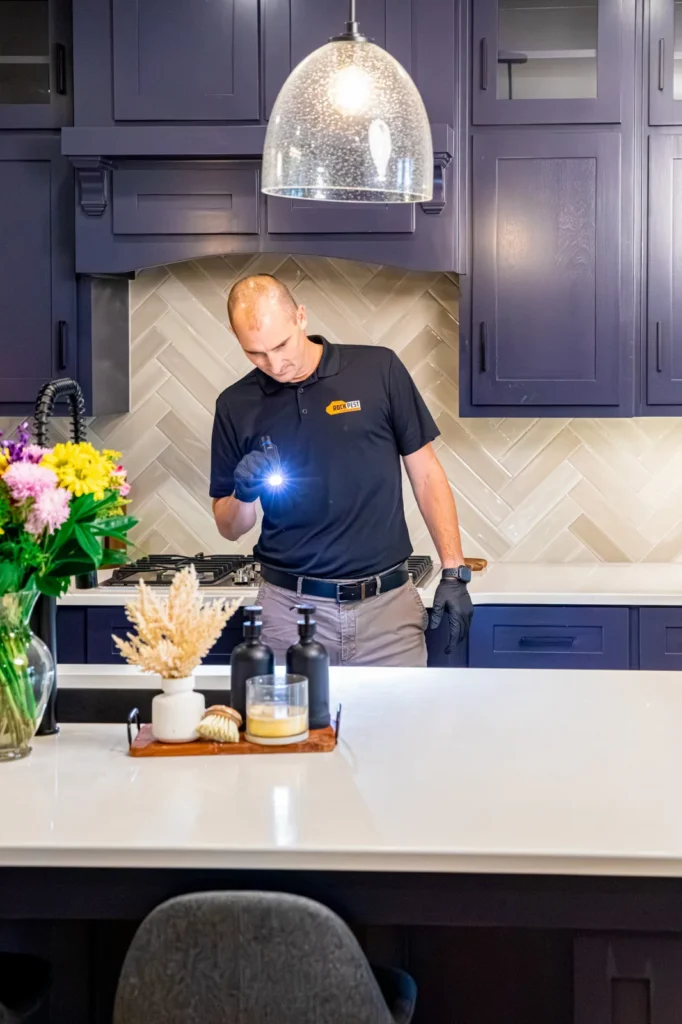
Targeted treatment. Baits and targeted treatments go into cracks, cabinetry voids, plumbing penetrations and behind equipment. Low-odor products are used where spraying isn’t the right fit, since dental offices are full of patients and staff all day.
Drain flies. Sterilization sinks, lab sinks and floor drains can breed drain flies. Drain flies are covered on our plans, but results depend on removing the organic buildup they breed in. The tech will show your staff what to clean.
Rodent control. Traps and stations go in storage, lab areas and along the exterior, out of patient view.
Exterior. Every visit includes treating entrances, knocking down webs and treating wasp nests reachable from the ground.
Bed bugs in dental offices
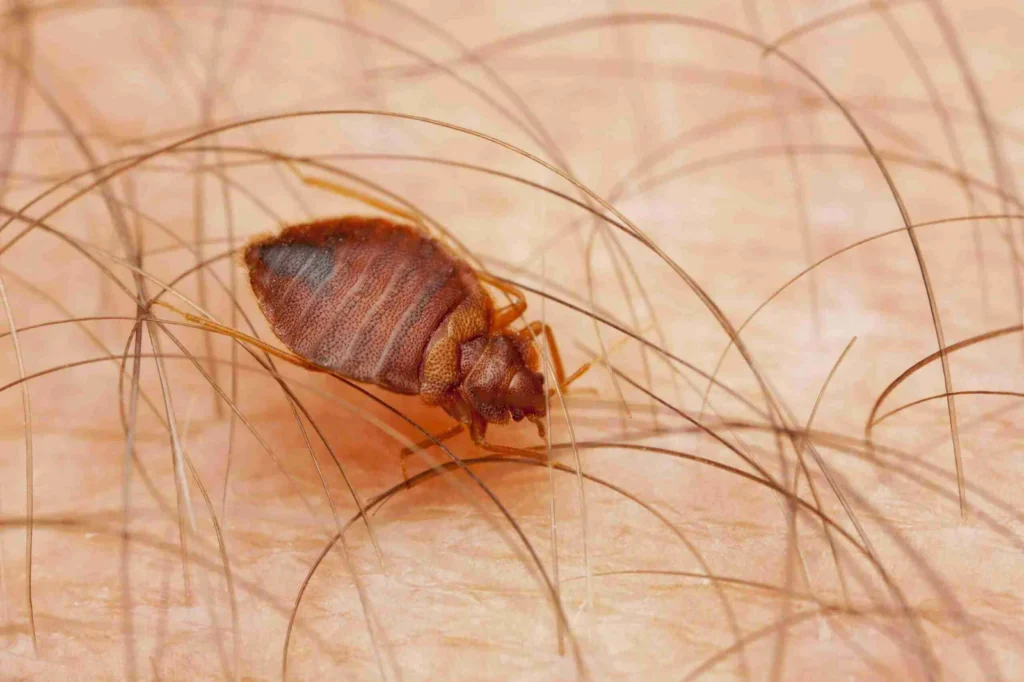
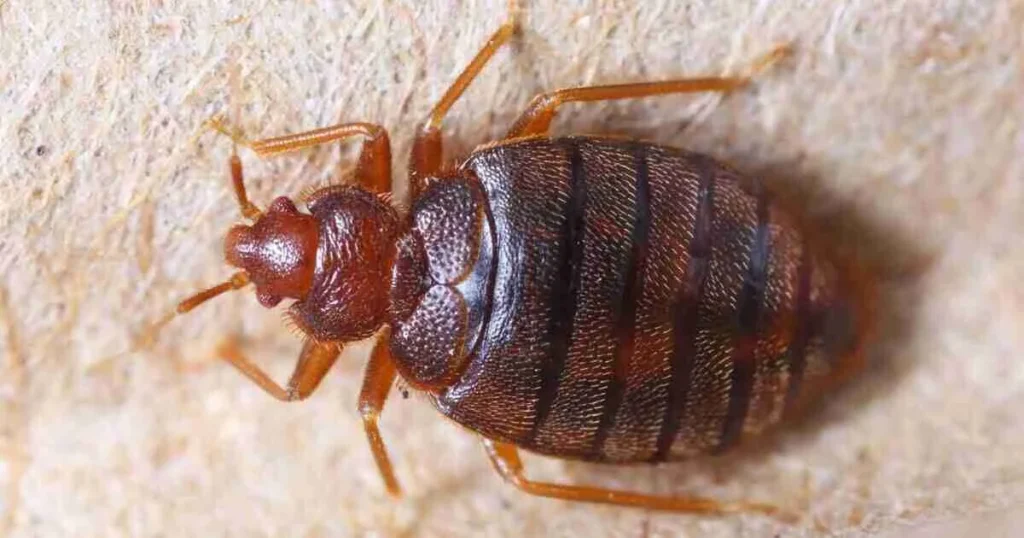
Patients sometimes bring bed bugs in on clothing or bags. Dental chairs and upholstered waiting room seating are where they’re most likely to be found. If staff see one, don’t move the chair, capture the bug if possible and call us. Our calls are handled in about 1 to 5 minutes on average. We’ll inspect and treat as needed, discreetly, typically with a fast spray treatment that kills bed bugs before they can become an infestation. See bed bugs in the workplace.
Service frequency
Most commercial accounts are monthly, and that fits most dental practices. Some small offices can work on a less frequent schedule, which we decide during the inspection.
Records
Every visit produces a service report within minutes with the tech’s notes and the types of products used, saved in your customer portal. If your landlord, corporate group or a patient asks, you can show what’s being done. See pest control service reports and logs.
What your team can do
- Keep break room food sealed and counters wiped
- Clean sterilization and lab sinks and drains regularly
- Break down supply boxes and get cardboard out quickly
- Report any sighting with the room and time
- Keep back doors closed
Shared buildings
Many dental offices are in strip centers or medical office buildings with neighbors. If ants or roaches keep returning, the source may be next door or in shared plumbing. The tech will look at shared walls and seal what can be sealed, and building-wide service through the property manager can help.
Dental groups and multiple offices
Dental groups with several offices can have every location serviced with the same program, with records kept separate by location. See pest control for businesses with multiple locations.
Pediatric and orthodontic offices
Pediatric dental and orthodontic offices see a lot of kids and families. We typically don’t treat where kids are present, so service in patient areas is scheduled when those areas are empty. Treatments focus on baits and targeted applications rather than broad spraying.
Moving into a new office
If you’re building out or moving into a new space, have it inspected before you move in. Construction and empty spaces can hide mice and insects. For new builds, termite pre-treatment before the slab is poured is worth considering. See termite pre-treatment for builders.
Why monthly service pays off
A dental practice runs on reputation and referrals. A single online review mentioning a bug can cost more than a year of pest control. Monthly service keeps the office clean between visits and catches problems before a patient does.
For other healthcare settings, see medical office pest control and pest control for healthcare facilities.
Our commercial team services dental offices across Kansas City. See commercial pest control.
Need pest control for your practice? Call 913-735-5451, answered 24/7, or schedule online. Most services can be scheduled same day.
Frequently Asked Questions
Ants, German roaches, drain flies around sinks, mice in storage and bed bugs carried in by patients.
Yes. We plan service around your schedule, and lockboxes or door codes are common.
Sterilization sinks, lab sinks and floor drains build up the organic film drain flies breed in.
Monthly for most dental practices. Some small offices can go less often.
Yes. Patient areas are serviced when kids aren’t present, using baits and targeted treatments.
Yes. Each office gets the same program, with records kept separate by location.