Long legs, little threat
Cellar spiders look spooky in a basement corner, but they’re harmless to people and mostly a cobweb problem.
Know the spider.
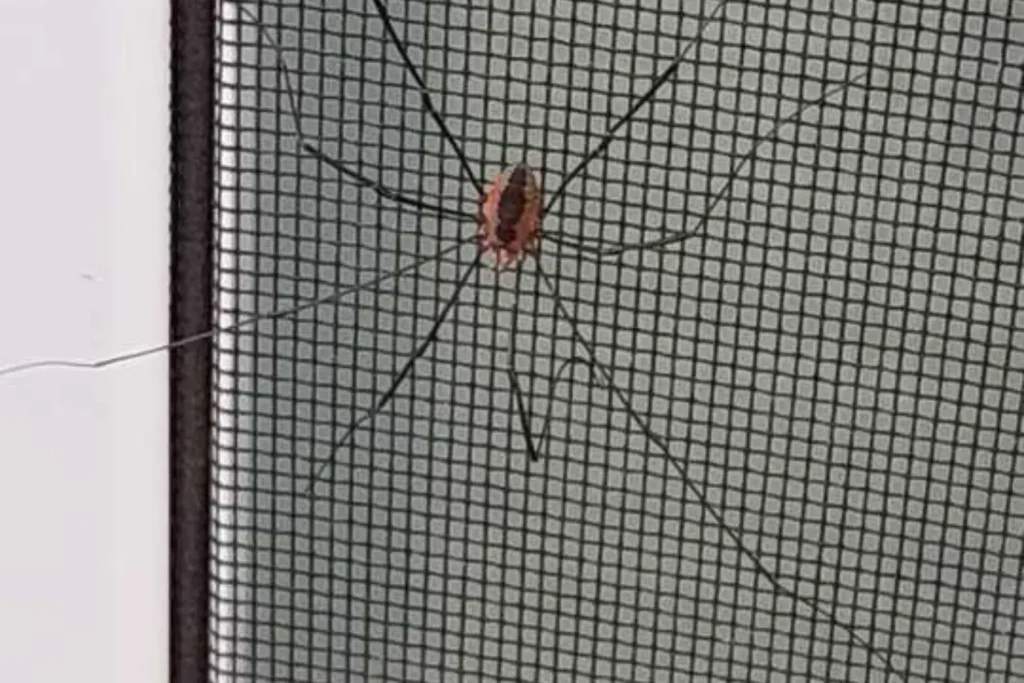
A tiny body, very long thin legs and a habit of shaking its web when disturbed.
Find the damp.
They gather in basements, crawl spaces and garages where it’s dark and humid.
Clear the webs.
Regular web knockdown and fewer insects to eat keep their numbers down.
Cellar spiders are the long-legged, small-bodied spiders that hang upside down in messy webs in basement corners. Many people call them daddy longlegs. They’re harmless to people, but their webs pile up fast in quiet, damp spots.
Spiders are covered on all of our home pest control plans, and we knock down webs on every visit. Here’s what to know.
What do cellar spiders look like?
Cellar spiders have a small, pale tan or gray body and very long, thin legs. The body is often under 1/4 inch, while the legs can span 2 inches or more.
When disturbed, many of them shake or spin in the web so fast they blur. Their webs are loose, tangled and often full of old insect parts.
Are cellar spiders dangerous?
No, cellar spiders are not dangerous to people or pets. You may have heard they’re highly venomous but their fangs are too short to bite. That’s a myth with no science behind it.
They do eat other spiders, but that doesn’t make them pest control. A cluster of cellar spiders usually means there are plenty of insects around for them to eat.
Are cellar spiders the same as harvestmen?
No. Both get called daddy longlegs, but harvestmen aren’t spiders at all.
Harvestmen have one oval body section, make no silk and spin no webs. They mostly live outdoors in grass, mulch and woodpiles. Cellar spiders have two body sections, spin webs and live indoors. Our post on common spiders in Kansas City covers other species you might see.
Why are cellar spiders in my basement?
Basements, crawl spaces and garages give them darkness, humidity and a steady supply of small insects. Fewer bugs and less moisture mean fewer cellar spiders.
- Run a dehumidifier in damp basements.
- Move boxes off the floor and into sealed bins.
- Vacuum webs and egg sacs often.
- Seal gaps around basement windows and sill plates.
Our guides to basement pests and what attracts spiders go deeper.
How do we handle cellar spiders?
On every visit we knock down webs, treat an exterior barrier and treat inside where needed. Because spiders follow their food, the barrier also cuts down on the insects they hunt.
If spiders come back between visits, re-service is free on every plan. Worried about spiders that do bite? Our spider page covers brown recluse and other KC spiders.
Worried about spiders that bite? Read about brown recluse spiders in Kansas City and how to tell a wolf spider from a brown recluse. Heard you swallow spiders at night? Here’s the truth about whether you eat spiders in your sleep.
Basement corners full of cobwebs? Call 913-735-5451, answered 24/7, or schedule online. Most services can be scheduled same day.
Frequently Asked Questions
No, daddy longlegs pose no danger to people. The idea that they’re highly venomous but can’t bite is a myth.
Cellar spiders very rarely bite people, and a bite isn’t considered harmful. They usually shake in their web or retreat when disturbed.
Vacuum webs and egg sacs, lower the humidity with a dehumidifier and clear clutter off the floor. Fewer insects and less moisture leave them with little reason to stay.
Cellar spiders are true spiders with two body sections that spin webs indoors, while harvestmen have one oval body, make no silk and live outdoors. Both get called daddy longlegs.
Yes, cellar spiders and other spiders, including brown recluse, are covered on every Rock Pest plan. Techs knock down webs on every visit, and re-service between visits is free.