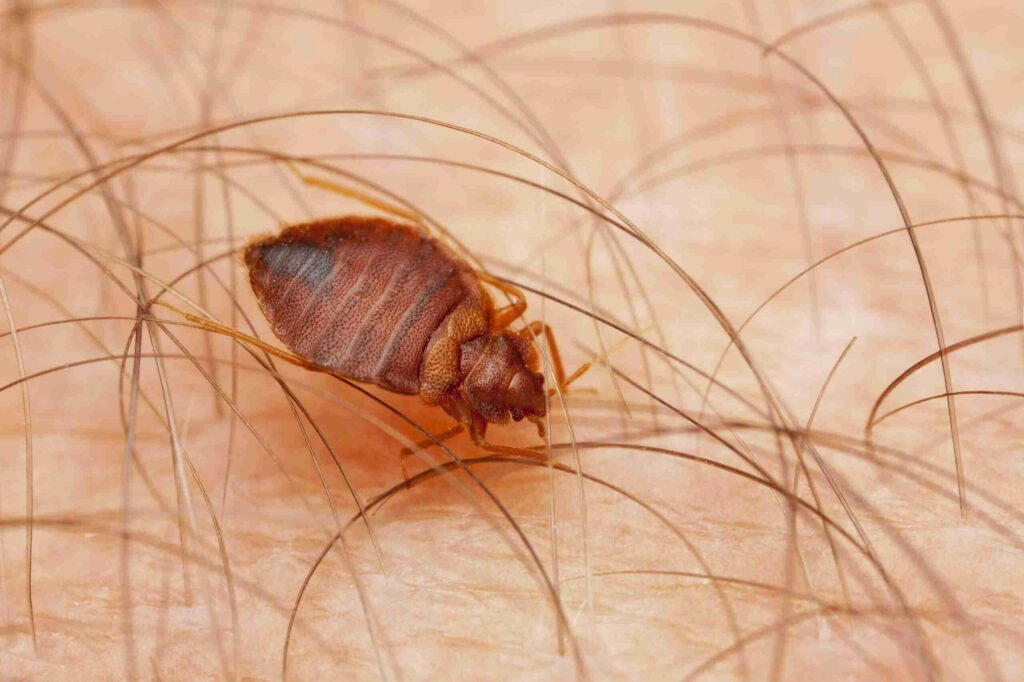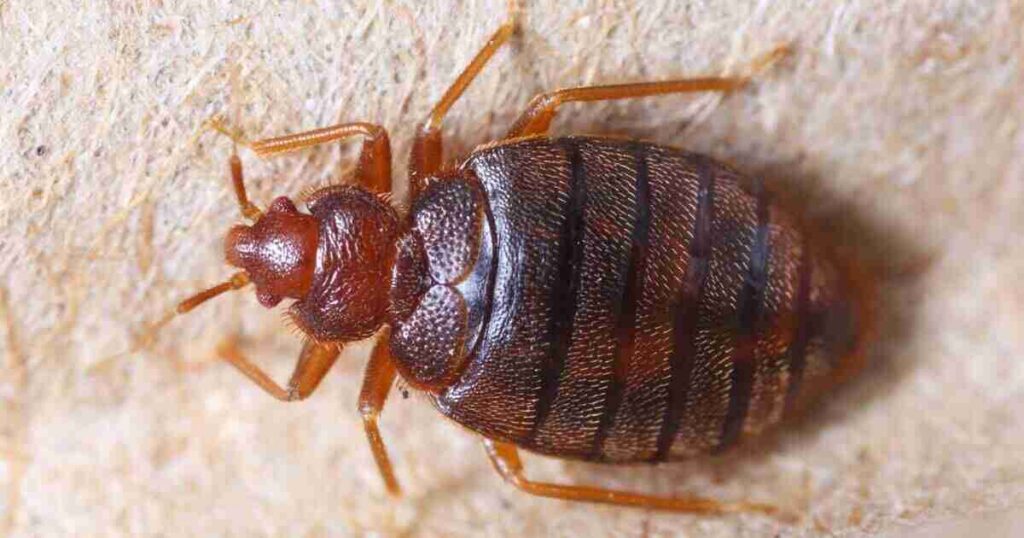

Every bed bugs apartment building protocol Rock Pest uses starts the same way. Treat the whole building as the unit of concern, not just the one apartment where someone first reported bugs. Bed bugs do not respect walls the way people do. They move through electrical conduits, baseboards, and shared plumbing lines almost as easily as they move across a carpet. A single apartment treatment without checking its neighbors almost always leads to a repeat call within weeks.
Inspectors start in the unit with a confirmed sighting and work outward in a ring, not just next door. The four neighboring apartments that share a wall, floor, or ceiling come first. Those are the paths bed bugs use most to travel between units. Inspectors even check vacant units awaiting a new tenant if they sit next to a confirmed unit. Bed bugs can survive for months without feeding. Common areas come next. Inspectors give hallways, shared laundry rooms, and any storage areas residents use a careful look with a flashlight.
Why the Bed Bugs Apartment Building Protocol Covers More Than One Unit
A single confirmed sighting rarely means a single affected unit. Bed bugs travel along electrical lines and through wall voids. An infestation in one apartment often has a head start in the apartment next door before anyone notices. Property managers who skip the surrounding units often regret it. The same complaint tends to return within a few months, just from a different tenant. That return visit costs more than doing the full sweep correctly the first time.
Rock Pest documents every unit checked, confirmed, or treated so property managers have a clear record for residents and ownership. See Bed Bug Inspection & Detection, or review the 9 Early Signs of a Bed Bug Infestation. Either resource shows tenants what to watch for between visits.
Frequently Asked Questions
At minimum, both adjoining units plus the ones directly above and below, more in buildings with especially thin shared walls or a widespread issue.
Usually the property manager or landlord, since access to multiple units is involved.