Fast, calm and careful
Inspect the room and its neighbors, treat, and keep families informed.
Inspect.
The room and the rooms around it.
Treat.
Heat or spray, planned with your staff.
Prevent.
Staff training and follow-up checks.
Bed bugs in assisted living are more common than most families realize, and they have nothing to do with how clean a building is. Bed bugs come in with new residents, visitors, furniture, mobility aids and laundry. Residents may not notice bites or may not be able to report them, so bed bugs can spread before anyone sees one.
Here is how to respond and how we treat bed bugs in assisted living and retirement communities.
Why bed bugs spread in assisted living
- Residents bring belongings from home, including furniture, bedding and recliners.
- Visitors bring bags, coats and gifts.
- Shared laundry can move bugs between rooms if items aren’t bagged.
- Staff move between rooms all day.
- Residents may not notice bites, so infestations can grow quietly.
Signs staff should watch for
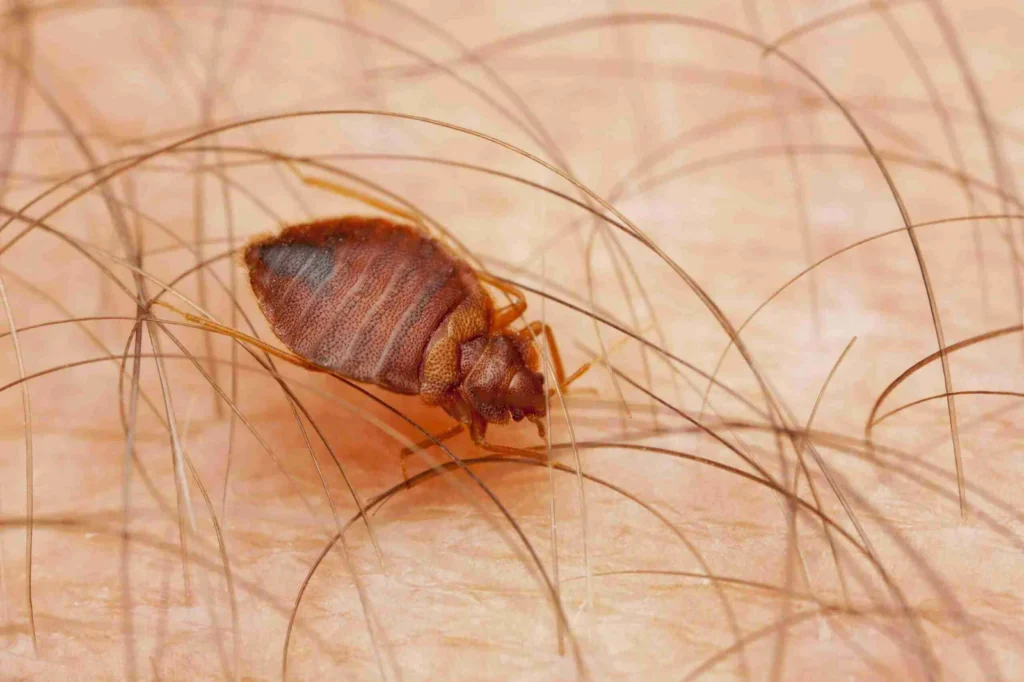
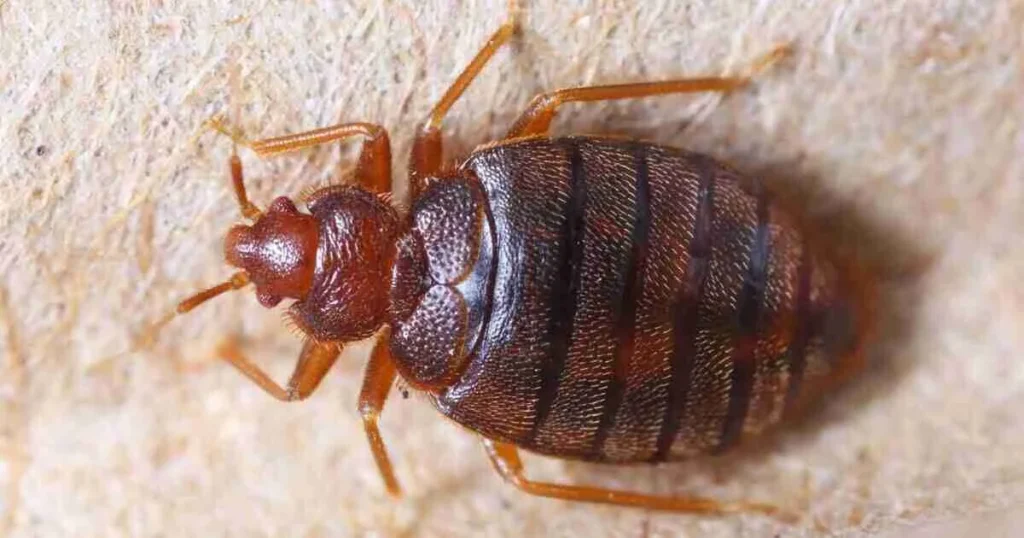
- Small reddish brown bugs in mattress seams, recliners and bed rails
- Tiny dark spots on sheets, pillowcases and mattress seams
- Shed skins along bed frames and baseboards
- Bites in rows or clusters on arms, legs or shoulders
- A resident who is newly restless at night or scratching
Train housekeeping, CNAs and maintenance on these signs. They’re your early warning system.
What to do when you suspect bed bugs
- Call us right away. Our calls are handled in about 1 to 5 minutes on average.
- Don’t move the resident or their belongings to another room before inspection. That can spread bed bugs.
- Bag laundry from the room and wash and dry it on high heat.
- Keep notes on when and where the report came from.
- Communicate calmly with the resident and family.
How we inspect
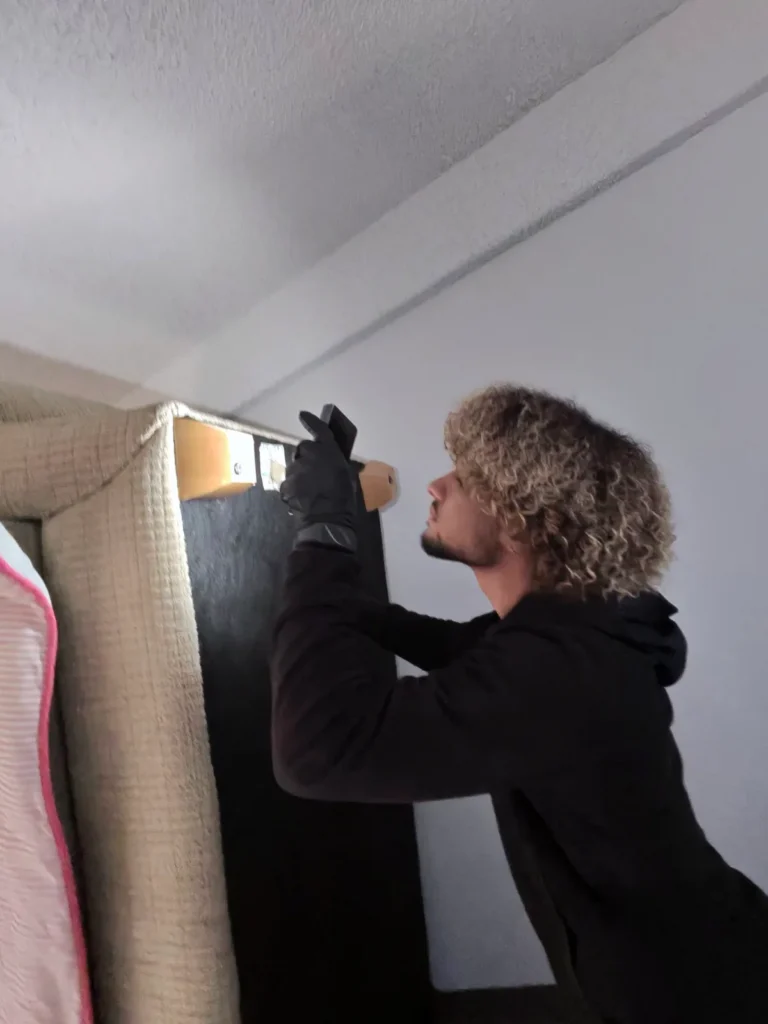
Our inspector checks the reported room and the rooms around it, including beds, recliners, nightstands, dressers and baseboards. Our inspector often works with our bed bug dog. The inspection shows how far the bed bugs have spread and which rooms need treatment. See bed bugs in apartment buildings: inspection protocol.
How we treat
Heat is our preferred method. We raise the temperature in the room to 130 to 140 degrees, deep into furniture and walls. Bed bugs and eggs die at about 122 degrees in about a minute. Everyone, including the resident, must be out of the room during heat, which usually takes 4 to 6 hours. We plan this with your staff so the resident has a comfortable place to be.
Spray treatments take less prep and may fit some rooms better. Spray takes multiple treatments over about 30 days, and people stay out of treated rooms until products dry.
The inspection covers prep in detail. Your staff and the resident’s family usually handle prep together.
After treatment
All of our bed bug jobs carry a 90-day warranty. There should be no bed bug activity after a heat treatment. If someone sees a live bug, we come back and retreat for free as soon as possible. Follow-up inspections of nearby rooms help confirm the problem didn’t spread.
Prevention for your community
- Inspect furniture and belongings when residents move in
- Bag and launder linens properly
- Train staff to spot and report signs
- Inspect rooms at turnover
- Keep bed bug checks part of your regular pest program. See pest control for senior living.
Belongings and furniture
Residents often have a lot of personal belongings and favorite furniture, and losing them is upsetting. Heat treatment lets most belongings stay in the room and get treated in place, which is one reason it’s our preferred method. Items that can’t take heat are handled separately, and the inspection covers what to set aside. Throwing furniture out is rarely necessary and can spread bed bugs through the hallways if it isn’t wrapped first.
Communicating with families
Families worry, and a clear plan helps. Explain that bed bugs aren’t a sign of poor care, that the room was inspected and treated, and what happens next. Our service reports give you dates, findings and treatments to share. See pest control service reports and logs.
Records
Every inspection and treatment is documented and saved in your customer portal, which helps with surveys, corporate reporting and family questions.
Our commercial team handles bed bugs in assisted living and retirement communities across Kansas City. See bed bug control and commercial pest control.
Got a bed bug report in your community? Call 913-735-5451, answered 24/7, or schedule online. Most services can be scheduled same day.
Frequently Asked Questions
With new residents, visitors, furniture, mobility aids and laundry. It has nothing to do with how clean the building is.
Not before inspection. Moving the resident or their belongings can spread bed bugs.
Yes. Everyone must be out of the room during heat, usually 4 to 6 hours.
Yes. We check the reported room and the rooms around it.
Yes. All of our bed bug jobs carry a 90-day warranty. If a live bug shows up after heat, we retreat for free.
Inspect belongings at move-in, handle laundry carefully, train staff on signs and check rooms at turnover.