Wild, not friendly
Raccoons look cute, but they’re wild animals that bite when cornered.
Bites and scratches.
Especially a mother with young.
Disease.
Rabies and roundworm are the big ones.
Damage.
Roofs, insulation, ducts and wiring.
Most raccoons would rather avoid you. They’re nocturnal and usually run off when they see people. But raccoons are wild animals, and living close to your family brings real risks. Here’s a straight answer to whether raccoons are dangerous.
Will a raccoon attack a person?
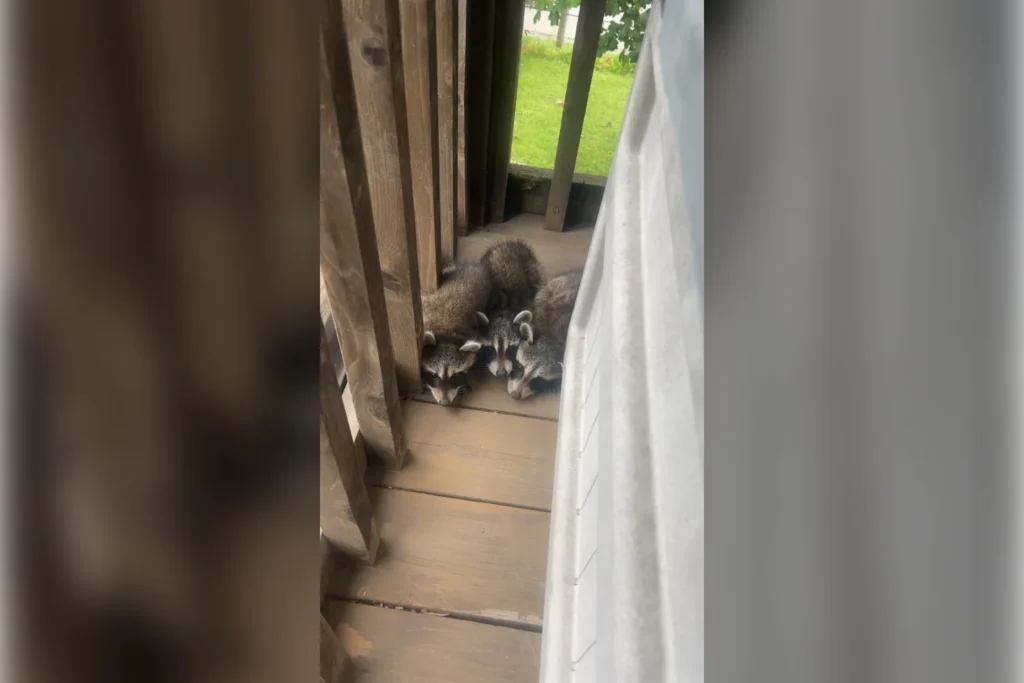
Healthy raccoons rarely attack people. Most bites happen when someone tries to corner, catch, feed or handle a raccoon. A mother raccoon protecting her young can be aggressive, so never reach into a den in an attic, chimney or under a deck.
A raccoon that seems sick is different. Stumbling, circling, acting confused, showing no fear or being out and active in the middle of the day can be signs of rabies or distemper. Stay away and call animal control.
Do raccoons carry rabies?
Raccoons can carry rabies, like any mammal. K-State Research and Extension notes that about 5% of Kansas raccoons tested have been exposed to rabies, and that raccoons are highly resistant to the skunk strain common in the Midwest. That’s lower risk than in some other parts of the country, but it isn’t zero.
If a raccoon bites or scratches anyone, wash the wound with soap and water and call your doctor or local health department right away.
What about raccoon roundworm?
Raccoon roundworm is the most serious health concern for most families. The eggs pass in raccoon droppings, and people are infected by swallowing them. Young children who play in dirt, sandboxes or on decks are most at risk. Human cases are rare, but they can be severe. See raccoon latrines and roundworm.
Are raccoons dangerous to dogs and cats?
They can be. Raccoons will fight a dog or cat that corners them, and they can injure small pets. Pets can also pick up diseases. The CDC notes dogs can be infected with raccoon roundworm. Keep pets inside at night if raccoons are active, keep their vaccines current and don’t leave pet food outside.
Can raccoons damage my house?
Yes. Raccoons tear soffits, shingles and roof vents to get into attics, then flatten insulation, tear ductwork and leave latrines. K-State notes the waste and damage can eventually bring down a ceiling. See raccoon damage to roofs and soffits.
How to stay safe around raccoons
- Never feed, touch or try to catch a raccoon
- Keep kids and pets away from raccoon droppings
- Secure trash, pet food and bird seed
- Don’t reach into dens in attics, chimneys or under decks
- Call a professional for raccoons living in or under your home
Our wildlife team removes raccoons from homes across the Kansas City area and seals the entry points. The first wildlife inspection is usually free.
Worried about a raccoon at your house? Call 913-735-5451, answered 24/7, or schedule online. Most services can be scheduled same day.
Frequently Asked Questions
Healthy raccoons rarely attack, but they bite and scratch when cornered. Their droppings can also carry roundworm eggs that are harmful if swallowed.
They can. K-State notes about 5% of Kansas raccoons tested had been exposed to rabies. Treat any bite or scratch as a medical concern.
A raccoon will fight back if a dog corners it and can injure small pets. Keep pets in at night when raccoons are active.
Daytime activity isn’t always a sign of illness, but if the raccoon stumbles, circles or shows no fear, stay away and call animal control.
Wash the wound with soap and water and call your doctor or local health department right away.