Shelter, not food
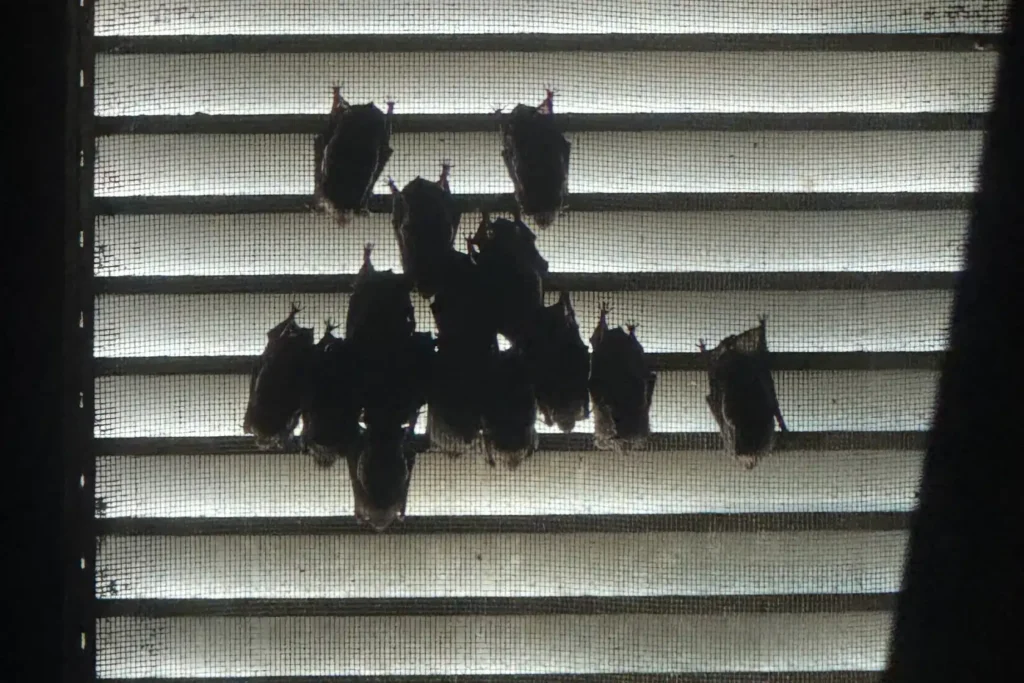
What attracts bats to a house is a warm, safe place to roost.
Warm attics.
Heat helps mother bats raise their pups.
Small gaps.
A 1/4 to 1/2 inch opening is an open door.
Insects nearby.
Lights and water draw the bugs bats eat.
What attracts bats to your house isn’t trash or crumbs. Bats eat flying insects outdoors, so they aren’t looking for food inside. They’re looking for shelter: a warm, dark, protected spot to roost during the day and raise their young.
If your home offers that, and has a way in, bats may move in and come back every year. Learn whether bats come back after removal and how sealing stops it.
Why do bats choose certain houses?
Bats look for roosts that are:
- Warm. Attics and the tops of exterior walls heat up in summer, which helps pups grow. Wildlife agencies note that hot attics are favorite maternity roosts.
- Dark and quiet. Unused attic space, wall voids and gaps behind shutters or chimneys.
- High up. Bats prefer roosts they can drop from to take flight.
- Easy to reach. Any gap about 1/4 to 1/2 inch wide near the roofline can be an entrance.
Older homes, homes with wood siding, homes with gable vents and homes near water, fields or woods are especially appealing. See how bats get into a house.
Do porch lights attract bats?
Not directly. Lights attract moths and other insects, and bats follow the insects. Seeing bats swooping around a porch light or streetlight at night is normal and doesn’t mean they’re living in your house.
Switching to yellow “bug” bulbs or warm LEDs can cut down on insects around the house, which may mean fewer bats feeding nearby. It won’t remove bats already roosting inside, though.
Does one bat colony attract more bats?
In a way, yes. Bats return to the same roost year after year, and the smell of an established roost helps them find it. Even after a colony leaves for winter, the bats will usually come back in spring unless the entry points are sealed.
That’s why exclusion and sealing, not repellents, are what keep bats out.
How do I make my house less attractive to bats?
The best defense is closing the way in. Walk the outside of your home and look for gaps at the roofline, soffits, vents, chimney flashing and siding corners. If no bats are living there, sealing those gaps keeps them from moving in.
If bats are already inside, don’t seal anything yet. Sealing traps them. Our wildlife team removes bats with exclusion and seals the gaps afterward. The first wildlife inspection is usually free.
Think bats are moving in? Call 913-735-5451, answered 24/7, or schedule online. Most services can be scheduled same day.
Frequently Asked Questions
Bats are drawn to warm, dark, protected spots to roost, like attics and wall voids, plus small gaps that let them get inside.
No. Bats eat flying insects outside. They come into houses for shelter, not food.
Lights attract insects, and bats follow the insects. Bats around a light at night don’t mean they’re roosting in your home.
Bats return to the same roost each year. Until the entry points are sealed after exclusion, they’ll usually come back.
Sealing gaps keeps bats out. Repellents and ultrasonic devices don’t work reliably, according to University of Missouri Extension.