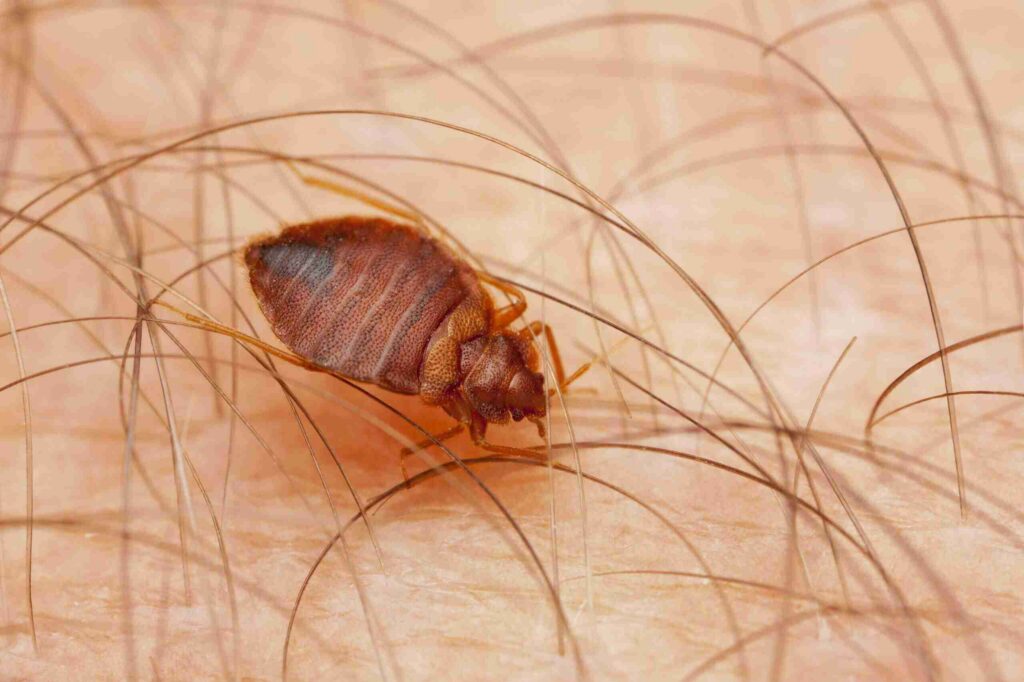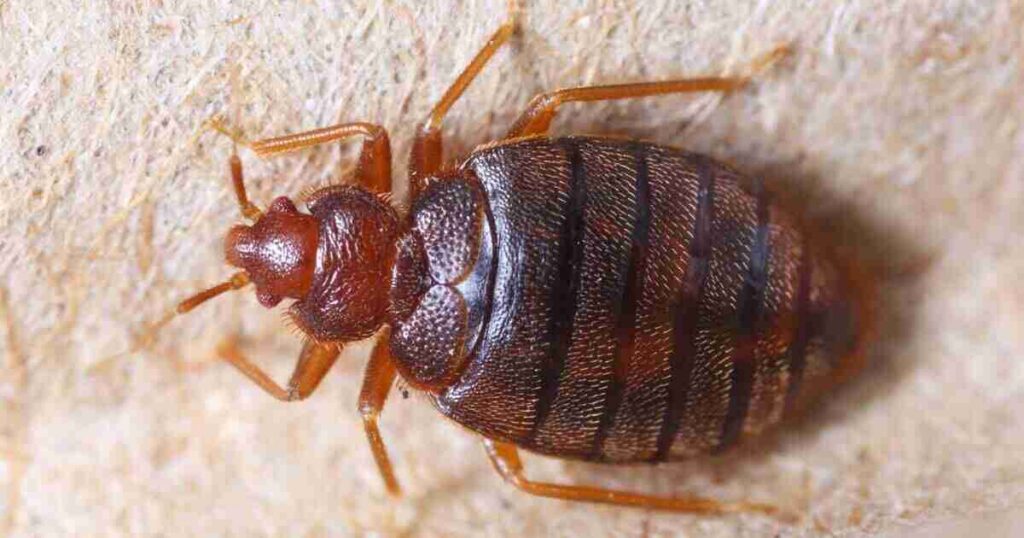
Picture this: you walk into your kitchen at midnight, flip on the light, and watch a cockroach disappear behind the baseboards. Or you notice small, red bite marks on your toddler’s arms and realize your guest bedroom has bed bugs. Your first instinct is completely understandable: find the strongest thing under the sink and spray everything.
Then you stop, because that little person crawling around on your floor is exactly the reason why.
This is the real tension parents face. You need the pests gone, and you need them gone fast. But you also know that spraying chemicals in a home where a two-year-old touches every surface isn’t a simple call. You don’t have to choose between effective and safe. You just need to know what actually works and what to ask before anyone sets foot in your home with a sprayer.
What Is the Safest Pest Control Method for Homes With Children? Start Here.
If you’re asking what the safest pest control method for homes with children is, the short answer is: there’s no single product that earns that title. The safest pest control method for homes with children is a layered strategy that combines prevention, targeted low-risk treatments, and professional guidance when the situation calls for it. Understanding that framework, Integrated Pest Management, or IPM, is where every parent should begin.
Why Kids Are More Vulnerable to Pest Control Chemicals Than Adults
Children aren’t just small adults. Their bodies process chemical exposure very differently, and the EPA officially recognizes infants and children as a sensitive population requiring special consideration whenever pesticides are involved. Kids breathe more air relative to their body weight, spend far more time on floors and low surfaces, and routinely put their hands and objects directly in their mouths. That combination creates a significantly higher exposure pathway than what most adults experience.
Their liver, nervous system, and immune system are still developing, which means certain pesticide compounds carry real neurological and developmental risks for young children that wouldn’t apply in the same way to a healthy adult. Under the Food Quality Protection Act, the EPA applies an additional ten-fold safety factor when evaluating pesticide risks for children, unless specific data supports a different level as adequate.
The exposures parents tend to underestimate are the ones that happen after the spray dries. Residue on baseboards, floors, and soft surfaces lingers well past the point where it’s visible. A product label that reads “safe when dry” doesn’t account for the crawling infant who touches a treated surface and then chews on her fingers ten minutes later. The method matters as much as the result.
The IPM Framework: The Safest Pest Control Method for Homes With Children
Integrated Pest Management is the EPA’s recommended standard for family-safe pest control. It’s not a single product or a single step. It’s a layered strategy. Confirm what you’re dealing with, remove whatever is attracting the pest, seal entry points, monitor with traps, and only bring in pesticides when every other option has fallen short. IPM flips the default from “spray first, ask questions later” to “treat only what’s necessary, only where it’s needed.”
Prevention and exclusion are where IPM starts. For minor ant problems and occasional invaders, exclusion and sanitation frequently resolve the issue without pesticide use. Sealing cracks around pipes, fixing leaky faucets, storing food in airtight containers, and clearing out cardboard clutter eliminate the conditions that invite pests in the first place.
Before you treat anything, take time to identify exactly what pest you’re up against. Set sticky monitors or traps to confirm the pest and gauge how widespread the activity is. Treating the wrong pest wastes money, extends the problem, and exposes your family to chemicals that weren’t even necessary. The threshold principle in IPM asks a straightforward question: is this infestation significant enough to justify intervention, or did you see one ant?
Low-Risk, Child-Safe Pest Control Methods, Broken Down by Pest
For ants, the most effective low-toxicity approach is enclosed boric-acid bait stations placed along active trails, not broadcast sprays that scatter the colony and make the problem worse. Ants carry bait back to the nest, which is what actually solves the problem. Spraying during baiting actively interferes with this process, so resist the urge to do both at once.
For cockroaches, gel bait placed in cracks and crevices near harborages, paired with consistent sanitation, is the IPM-recommended approach. The bait stays tucked away from surfaces your kids contact, and it targets activity directly rather than coating your entire kitchen in pesticide. Broad indoor spraying for cockroaches in a home with children is specifically discouraged by EPA guidance, because it distributes pesticide across surfaces kids touch constantly.
For mice, exclusion is the treatment. Snap traps remain the most reliable mechanical option and carry zero chemical risk; place them perpendicular to walls in areas children can’t access. Trapping without sealing entry points is only a temporary fix. Seal every gap around pipes, utility lines, vents, and door frames with metal mesh and sealant. Mice don’t need much space to squeeze through, so be thorough.
For fleas, the approach has to be simultaneous: treat the pet, the bedding, and the environment together. Vacuuming carpets and furniture frequently and washing pet bedding on high heat removes a significant portion of the flea life cycle. Miss any one of those, and the cycle starts over.
The Honest Truth About “Natural” and DIY Remedies
Natural sounds safe. It rarely means safe, at least not automatically. Diatomaceous earth and boric acid are two of the more popular non-toxic pest control options, and both can be genuinely effective in very specific applications inside cracks and voids. But neither one should be broadcast across open areas in a home with children.
Diatomaceous earth dust is a lung irritant, particularly for children, whose respiratory systems are still developing. It should only go in inaccessible areas, and children should be kept completely out of the space during application and until the dust has fully settled. Boric acid in enclosed bait stations is a reasonable choice, but loose boric acid is toxic if a child ingests it. “Natural” does not mean harmless.
Essential oils, peppermint spray, vinegar rinses, and similar home remedies fall into a different category: they’re largely ineffective and can cause real harm. Essential oils can poison young children if swallowed, and Poison Control receives reports of pediatric exposures to these products. Concentrated vinegar can burn eyes and skin. The risk isn’t that these products are strong enough to hurt pests. The risk is that they’re potent enough to hurt a child while doing almost nothing about the infestation. Don’t trade one chemical risk for a different, less understood one.
Heat Treatment: A Top Child-Safe Pest Control Option for Families
Professional heat treatment is the standout option for families dealing with bed bugs, and the reason is simple: it’s completely chemical-free. Technicians raise the temperature in the affected space to a level that kills bed bugs at every life stage, including eggs, in a single treatment session. Once the space cools and ventilates, there’s no chemical residue and no reentry interval tied to chemical exposure, making it one of the strongest family-safe pest control choices available for bed bug situations.
Rock Pest Control offers heat treatment as a primary option for exactly this reason. For Kansas City families dealing with bed bug infestations, it addresses both the pest problem and the parental worry about chemical residue after treatment. Heat treatment costs more upfront than chemical sprays, but it typically resolves the problem in one visit without requiring repeat chemical applications.
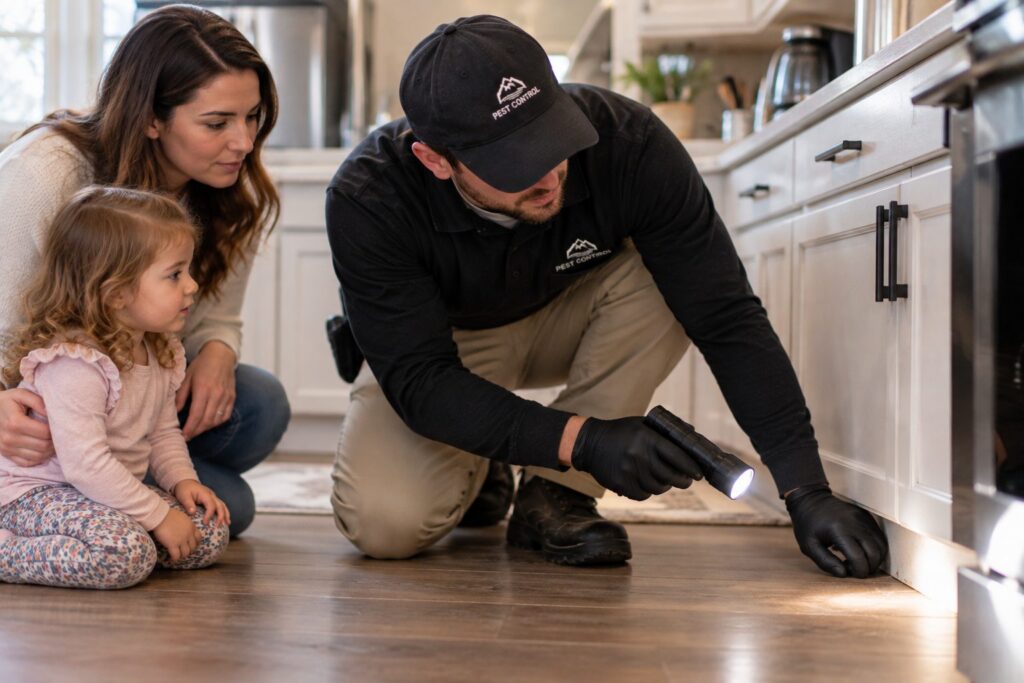
When any professional treatment does involve chemicals, ask the technician before work begins for the product name, EPA registration number, and written reentry instructions. A reputable company will provide this information without hesitation. According to EPA guidance, children should stay out of rooms treated with indoor liquid sprays until surfaces are fully dry and at least two to four hours have passed. For foggers or total-release aerosols, the required time away can range from two to seventy-two hours, followed by thorough ventilation. Don’t rely on smell or a vague “a few hours” estimate. Use the written label, every time.
When to Call a Professional and How to Pick the Right One
If you’ve put in several weeks of consistent DIY effort without meaningful improvement, that’s a clear signal to call a licensed professional. Many pest control experts recommend escalating after that window if objective conditions persist: widespread bed bug activity, visible rodent entry through the structure, or a cockroach population that keeps expanding despite good sanitation are all situations where going it alone tends to make things worse, not better. Treating a serious bed bug infestation with over-the-counter sprays often scatters bugs deeper into walls, which makes professional treatment harder and more expensive when you eventually get there.
Knowing when to call is only half of it. Knowing how to evaluate a company is the other half. Look for a licensed applicator who can provide a written IPM plan that names specific products, application locations, and EPA registration numbers. Vague promises to use “green” or “natural” methods aren’t enough. Ask directly:
- Do you offer heat treatment for bed bugs?
- Do you avoid broadcast indoor spraying?
- Can you provide written reentry times for homes with young children?
- What nonchemical options are you starting with before any pesticide is applied?
A company that can’t answer those questions clearly isn’t the right fit for a home with kids. A company that answers them confidently and provides documentation is the one worth trusting.
Start With Safety, Solve the Problem for Good
The goal was never a pest-free home at any cost. It was a pest-free home that’s also safe for the people you love most. Those two things are compatible, but getting there requires a strategy, not just a product.
Start with prevention and exclusion. Use targeted, low-risk methods before reaching for sprays. Understand what “natural” actually means, and what it doesn’t. Get written safety instructions from any professional you hire, and don’t let a company skip that step because they’re in a hurry.
When you’re asking what the safest pest control method for homes with children, the answer comes back to this: it’s a strategy that keeps your family’s health at the center of every decision, not a single product off a shelf. If you’re dealing with an active infestation right now and want a child-safe solution that actually works, reach out to a licensed professional and ask the hard questions.
Rock Pest Control works with Kansas City families to lead with eco-friendly and heat-based solutions and backs them with a satisfaction guarantee. Getting a free estimate costs nothing and puts you back in control; your kids will thank you for it, even if they’re too young to say so yet.
Frequently Asked Questions
Integrated Pest Management (IPM) is a recommended approach that prioritizes prevention, sealing entry points, sanitation, and targeted treatments. It helps minimize unnecessary pesticide exposure while controlling pests effectively.
Yes. Nonchemical methods include sealing entry points, using mechanical traps, improving sanitation, and professional heat treatment for bed bugs. The best approach depends on the pest and infestation severity.
Not necessarily. Essential oils, boric acid, and diatomaceous earth can pose health risks if swallowed, inhaled, or improperly applied. Natural products should not automatically be considered child-safe.
Professional heat treatment eliminates bed bugs without leaving pesticide residue. Children, pets, and other occupants must leave during treatment and should return only after technicians confirm the home is safe to reenter.
Reentry times depend on the pesticide, application method, and product label instructions. Always follow the technician’s written safety guidance and keep children away from treated areas until reentry conditions are met.