Protect the product
Find the infested pallet, monitor the rest and stop the spread.
Find.
The source pallet or product.
Monitor.
Traps across the racks.
Prevent.
Rotation, cleaning and inspection.
Stored product pests in warehouses are insects that feed on dry goods, like grain, flour, cereal, pet food, birdseed, nuts, dried fruit, spices and even some packaging. They can ride in on one pallet and spread through a warehouse before anyone notices. The result is damaged inventory, rejected shipments and unhappy customers.
Here is how we help warehouses find and control stored product pests.
Common stored product pests
- Indian meal moths: small moths with copper-colored wing tips. Larvae spin webbing in product.
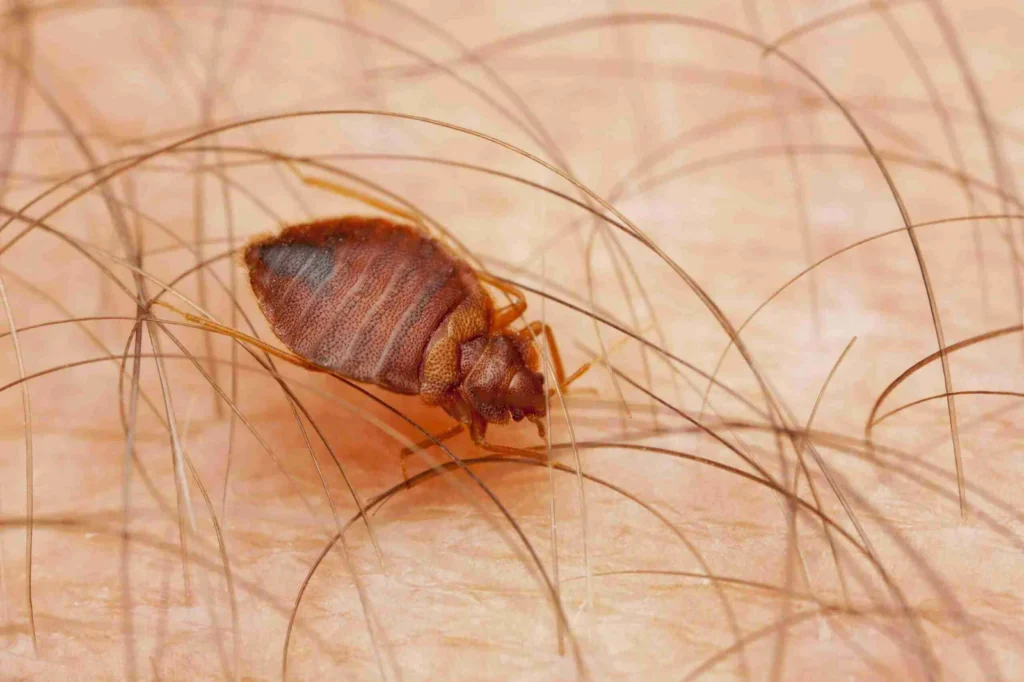
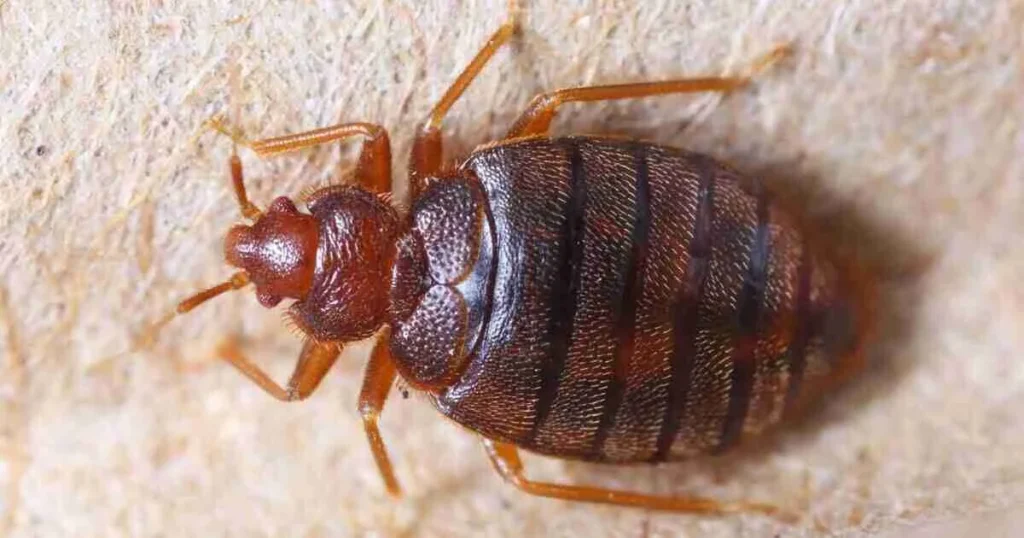
- Flour beetles: small reddish brown beetles in flour, grain and processed foods.
- Sawtoothed grain beetles: slender brown beetles that get into packages through tiny openings.
- Cigarette and drugstore beetles: small round beetles that feed on spices, dried foods and paper products.
- Warehouse beetles: found in a wide range of dried foods and animal feed.
Signs of stored product pests
- Small moths flying in aisles or near lights
- Webbing or clumped product inside packages
- Tiny holes in bags and packaging
- Beetles on racks, floors or windowsills
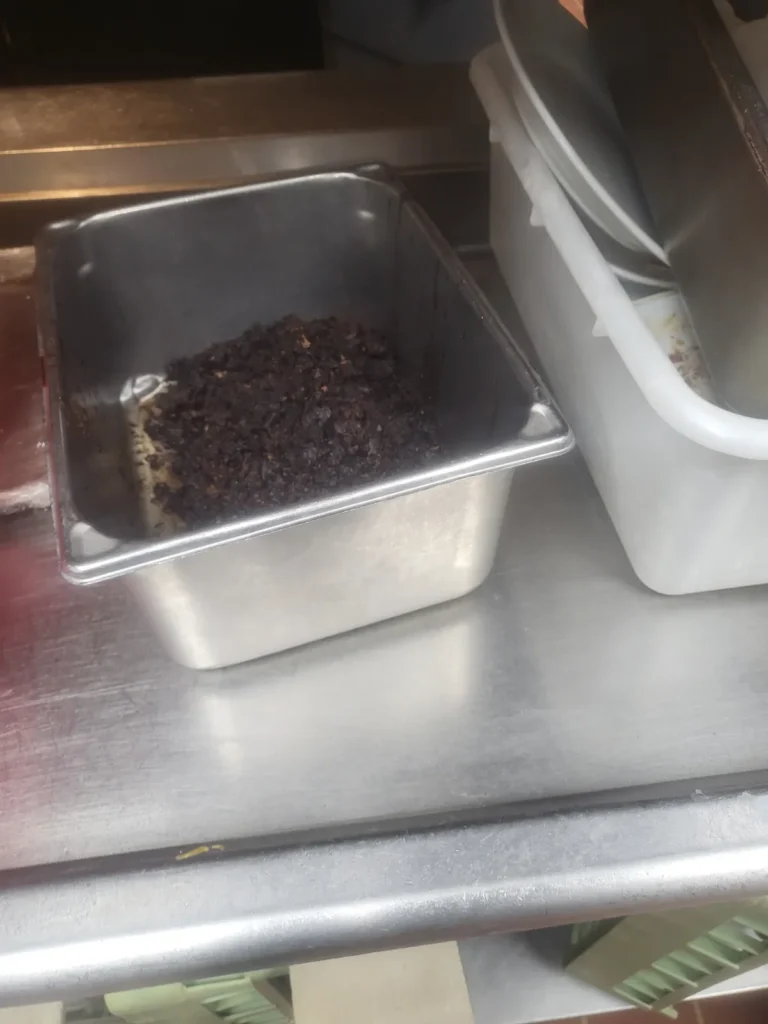
- Fine dust or frass around pallets
- Customer complaints about bugs in product
How we handle stored product pests
1. Find the source. Stored product pests usually start in one pallet or product line. We inspect racks, pallets and floor areas, focusing on older stock, damaged packaging and spilled product.
2. Monitor. Insect monitors placed throughout the warehouse show where activity is concentrated. Moth monitors use attractants that pull moths in, which helps pinpoint the problem area. Monitors are checked and recorded every visit.
3. Remove infested product. Infested product needs to be pulled, isolated and handled according to your company’s process. Treatment can’t save product that’s already infested.
4. Clean. Spilled product under racks, in corners and along walls feeds pests long after the source pallet is gone. Cleaning those areas is critical.
5. Treat. Targeted treatments go into cracks, crevices, rack bases and other spots where insects hide, away from product.
6. Follow up. Large warehouses are serviced monthly, and monitors show whether activity is dropping.
Prevention
- Inspect incoming product for damage, webbing and insects before it goes into storage
- Rotate stock first in, first out, so product doesn’t sit for months
- Keep product off the floor and away from walls so pests have fewer hiding spots and techs can inspect
- Clean up spills quickly, especially under racks
- Repair damaged packaging or isolate it
- Report sightings right away, with the location and product
Records for customers and audits
Every visit produces a report within minutes, including monitor counts and areas treated, saved in your customer portal. If a customer or auditor asks about your pest program, you can show the history. We can assist with audits by providing those records. See pest control service reports and logs.
Shared space with other product
Stored product pests don’t stay with food. They’ll infest pet food, birdseed, dried flowers, some cosmetics and certain packaging. If your warehouse stores mixed product, keep food and feed items in their own section and inspect that section closely on every visit.
Rodents and stored product
Rodents are attracted to the same products. A stored product program works best alongside rodent control at docks and along walls. See rodents at warehouse loading docks.
Warehouses that see these pests most
- Food distribution and grocery supply
- Pet food and feed storage
- Bulk ingredient storage
- Retail distribution centers that carry food items
- Big-box stores with pet food and grocery aisles. See big-box store pest control.
Why moths keep coming back
Indian meal moths are good at hiding. Their larvae crawl away from the product to pupate in cracks, rack joints and ceilings, so new moths can keep showing up after the source product is gone. Monitoring, cleaning and treating hiding spots over several visits is what finally ends the cycle.
Seasonal patterns
Stored product insects breed faster in warm weather. Summer heat in a warehouse without climate control can turn a small problem into a big one in a few weeks. Spring and summer are good times to step up inspection of older stock.
For warehouse programs, see pest control for warehouses in Kansas City and pest control for supply and distribution warehouses.
Our commercial team helps warehouses across Kansas City protect stored product. See commercial pest control.
Finding moths or beetles in product? Call 913-735-5451, answered 24/7, or schedule online. Most services can be scheduled same day.
Frequently Asked Questions
Insects that feed on dry goods like grain, flour, pet food, birdseed, nuts and spices.
Usually in an infested pallet or product shipment, then they spread to nearby product.
No. Infested product needs to be removed. Treatment focuses on hiding spots and preventing spread.
By inspecting older stock and damaged packaging and using monitors to see where activity is concentrated.
Inspect incoming product, rotate stock, keep product off the floor and away from walls, and clean up spills.
Yes. Every visit is documented, including monitor counts, and saved in your customer portal.