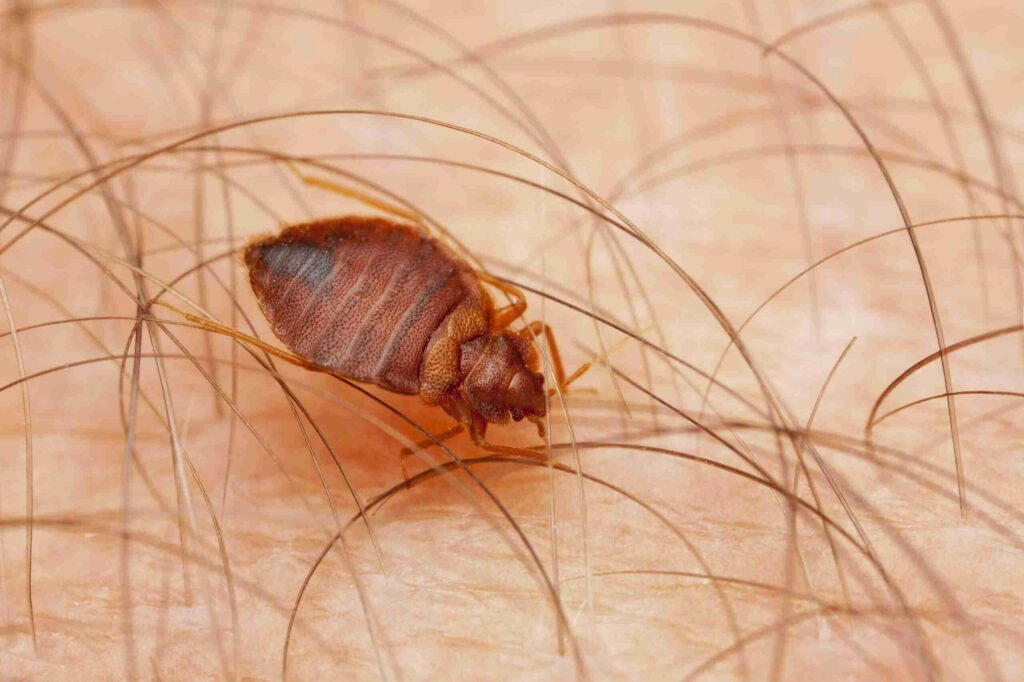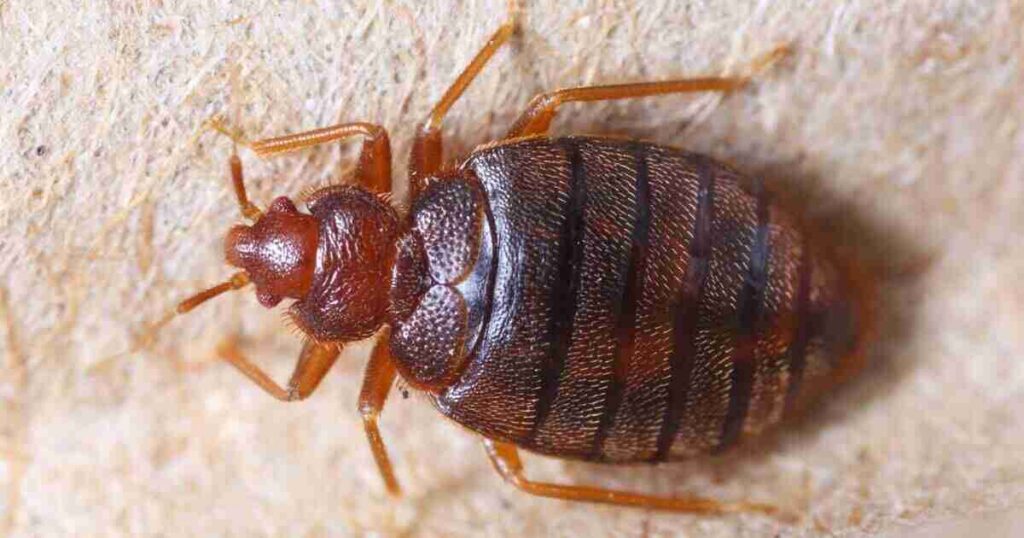
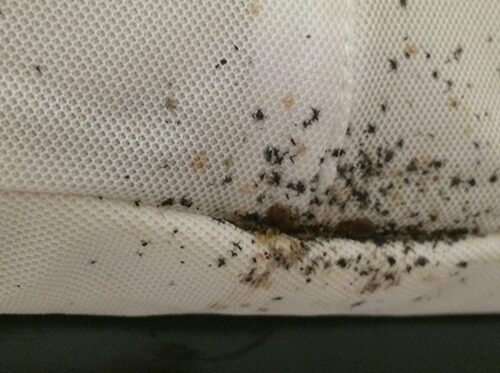
How Pesticide-Resistant Bed Bugs Develop
Here’s how resistance builds and what it means for your treatment plan.
How Resistance Builds
Resistance happens gradually. Each time a population is exposed to the same class of insecticide without being fully eliminated, the surviving bugs pass on whatever traits helped them survive. Repeat that cycle across multiple treatments in the same building, and you end up with a population that shrugs off a product that used to work well.
Where It’s Most Common
This is more common in apartment buildings and multi-unit housing, where treatments have sometimes been applied unit by unit over the years rather than as a coordinated, building-wide effort. It’s also more likely in areas where the same few over-the-counter sprays have been used repeatedly without professional-grade follow-up. The EPA’s introduction to bed bugs covers how resistance develops and why rotating or combining approaches matters.
What a Technician Looks For
A licensed technician can usually tell early in an inspection whether a population looks resistant, based on treatment history and how the infestation has responded to past efforts, and adjust the plan accordingly rather than repeating something that’s already failed once.
Heat sidesteps this problem entirely. See Bed Bug Heat Treatment in Kansas City, or read Chemical Treatment for Bed Bugs.
Frequently Asked Questions
If a previous chemical treatment, yours or a prior tenant’s, didn’t fully resolve the infestation, that’s a sign it may be worth trying a different approach, like heat.
No. Resistance is specific to chemical treatments. Heat works the same regardless of a bed bug population’s resistance to any particular insecticide.