Your yard can work for you or against you
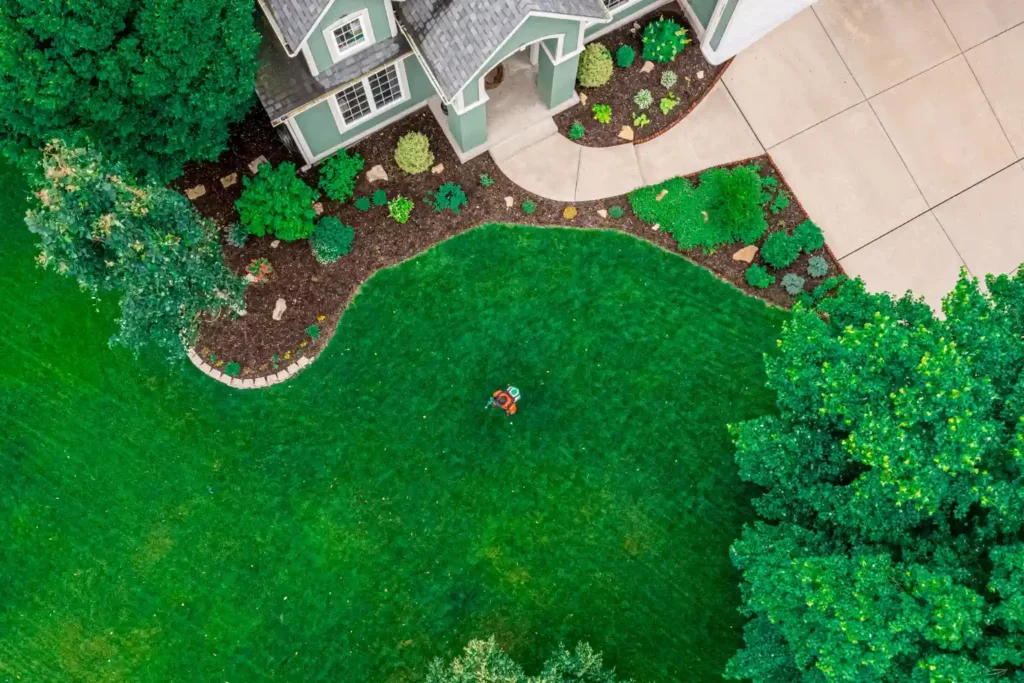
The beds right along your foundation decide a lot about which pests find their way inside.
Thin the mulch.
Keep it shallow and pulled back so the foundation stays dry.
Trim the green.
Plants and branches touching siding give bugs a free ride to your walls.
Watch the water.
Sprinklers and soggy beds near the house draw ants, roaches and more.
Landscaping pest prevention comes down to keeping the strip next to your foundation dry, open and free of wood. Thick mulch, plants touching siding, overwatering and wood on the soil all invite pests right up to your walls.
The good news is that a few changes make a big difference. Paired with home pest control plans that keep a barrier around the outside, your yard stops working against you.
Does mulch attract pests to your house?
Mulch itself doesn’t attract pests, but thick, damp mulch against the foundation gives them food, shelter and moisture. Ants, earwigs, pillbugs, millipedes and termites all take advantage.
Keep mulch about 2 to 3 inches deep and pull it back several inches from the siding. Rake it out each spring so it doesn’t pile up year after year.
What landscaping pest prevention steps matter most?
The biggest wins are keeping mulch thin, trimming plants away from the house and stopping water from soaking the foundation. Removing wood that touches soil comes right after.
- Plants: trim shrubs so they don’t touch siding, and keep tree limbs off the roof.
- Water: aim sprinklers away from the house and fix beds that stay soggy.
- Gutters: clean them and use downspout extensions to move water away.
- Wood: keep firewood, old landscape timbers and wood edging away from the foundation.
- Ground cover: thick ivy against walls hides pests and holds moisture.
Our pest-proof your home checklist covers sealing gaps and more exterior steps.
Why does wood touching soil matter for termites?
Termites travel through soil and feed on wood, so any wood touching the ground near your house is an easy target. That includes landscape timbers, stumps, wood mulch piles and deck posts.
Termites are a separate service from general pest control, and it starts with a free inspection. We use Sentricon. See our termite inspection and monitoring page for how it works.
Can landscaping make mosquitoes worse?
Yes, anything that holds standing water can breed mosquitoes. Check birdbaths, clogged gutters, plant saucers, low spots and toys left in the yard.
Mosquitoes aren’t part of a standard plan. One yard treatment covers mosquitoes, ticks and yard fleas, about $50 a month added to a plan or $119 a visit on its own. Learn more on our mosquito control page.
Does landscaping matter more in spring?
It does, because spring is when beds get fresh mulch and pests wake up. Our post on spring pests in Kansas City covers what shows up first.
Redoing your beds this season? Call 913-735-5451, answered 24/7, or schedule online. Most services can be scheduled same day.
Frequently Asked Questions
Pull mulch back several inches from your foundation and keep it about 2 to 3 inches deep. That keeps the siding drier and gives pests less cover right next to the house.
A strip of rock or gravel next to the foundation stays drier than wood mulch and gives pests less food and cover. Many homeowners use rock right by the house and mulch farther out.
Trim shrubs so no branches touch your siding or roof. A gap lets air dry the wall and takes away a bridge pests use to reach your home.
Rock Pest inspects your yard on every visit and treats an exterior barrier around your home. Treating the yard itself for mosquitoes, ticks and yard fleas is a separate add-on.
Landscaping doesn’t cause termites, but wood touching soil and damp mulch against the foundation make your home easier to reach. Rock Pest offers a free termite inspection.