
Pest control in Kansas City is a year-round concern, not a seasonal one. Ants push in during spring, mosquitoes take over summer, rodents move into your walls come fall, and bed bugs don’t care what month it is. This guide gives you what you actually need: which pests hit hardest and when, what treatment costs in 2026, and exactly how to evaluate a local exterminator before you let one into your home. No fluff, just a practical framework for making a smart call.
The pests Kansas City residents deal with most (and when they show up)
Spring and summer: when pest pressure peaks
As soil temperatures climb in March, ant colonies wake up and start foraging aggressively through spring and into early summer. German cockroaches thrive in the heat and humidity that defines a Kansas City summer. In warm, humid conditions with accessible food and shelter, their populations can escalate from a nuisance to a full infestation within weeks. Mosquito season typically runs late April through October, with peak pressure hitting hardest between June and September when standing water accumulates after Midwest rain events.
Fall and winter: rodents and overwintering pests
When temperatures drop in September and October, mice and rats start looking for warmth inside your home. They enter through gaps around utility lines, foundation cracks, and unsealed crawl spaces, entry points most homeowners never think to check until they hear scratching in the walls. Stink bugs and boxelder bugs also become fall problems, pushing through window frames and siding gaps to overwinter inside your home.
Pests that don’t follow a season
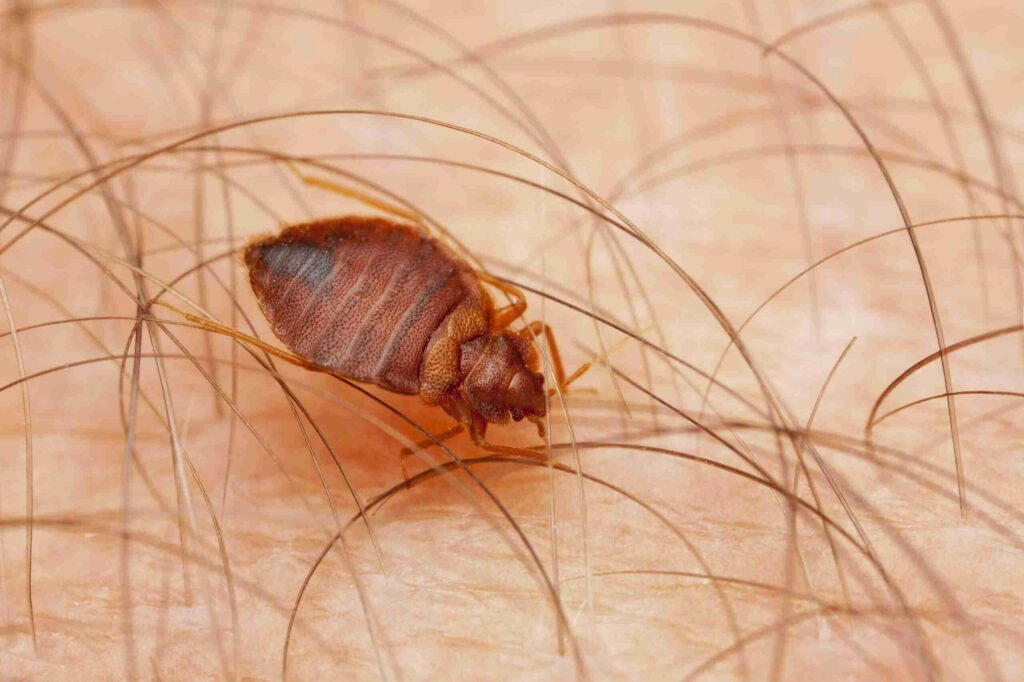
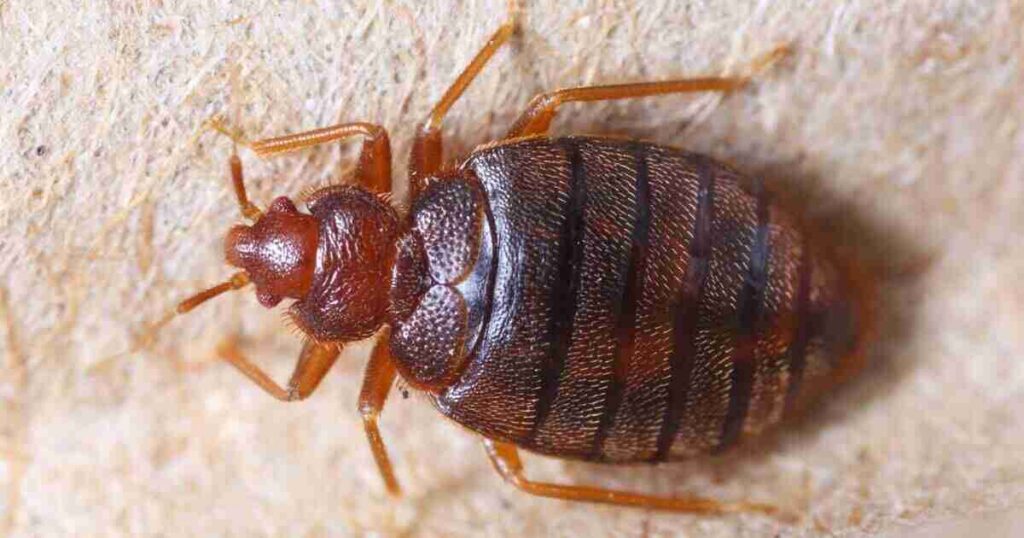
Bed bugs are effectively a year-round threat. They spread through travel, secondhand furniture, and shared living spaces, making any month a potential exposure month. Eastern subterranean termites are different: while colony damage continues year-round, their swarm season is weather-linked and peaks in April and May, so the pest itself has seasonal patterns even if the structural damage doesn’t pause. Both pests require professional detection, not guesswork.
Signs you might already have a problem
What to look for with bed bugs and rodents
Bed bugs leave behind rusty or reddish staining on mattress seams, shed skins near baseboards, and a faint musty odor in severe infestations. Rodents leave droppings along wall edges and inside cabinet corners, gnaw marks on food packaging, and greasy rub marks along the paths they travel repeatedly. Catching either problem early makes treatment faster and cheaper, reason enough to do a quick check before assuming everything is fine.
Warning signs specific to termites and cockroaches
Eastern subterranean termites build pencil-width mud tubes along foundation walls, basement sills, and crawl space joists. Tap wood in those areas: if it sounds hollow or feels soft when probed, that’s a serious red flag. Cockroaches are nocturnal, so seeing one during the day usually means the population is large enough that competition for hiding space is pushing them into the open. Cockroach egg cases, brown, rigid oothecae tucked near appliances or under sinks, confirm the infestation is already established.
What to Expect From Pest Control in Kansas City
One-time treatments vs. ongoing pest control
The right pest control approach depends on the type of pest, severity of the activity, and conditions around your property. A one-time treatment may make sense for an isolated issue, while recurring service can be a better fit for homes that experience ongoing or seasonal pest pressure.
Ongoing pest control typically focuses on prevention as well as active problems. Regular inspections and treatments allow technicians to identify new activity, address potential entry points, and respond as pest pressure changes throughout the year. Before choosing a plan, ask what pests are covered, how often the property will be serviced, and what happens if pests return between scheduled visits.
Why bed bugs and termites require specialized treatment
Bed bugs and termites aren’t typically handled the same way as common household pests such as ants or spiders. Both can remain hidden for extended periods, making a thorough inspection and pest-specific treatment plan especially important. Bed bugs can hide in mattress seams, bed frames, furniture, baseboards, wall gaps, and other protected areas. Depending on the infestation, professional treatment may involve heat, targeted applications, monitoring, or a combination of methods.
Termites require a different approach because colonies can remain active in areas homeowners cannot easily see. A professional inspection helps determine where activity is occurring and which treatment method is appropriate for the property. For either pest, the goal shouldn’t be a quick temporary fix. Look for a Kansas City pest control company that thoroughly inspects the property, explains the recommended treatment, and provides clear expectations for what happens after the initial service.
What separates a reliable Kansas City exterminator from the rest
Guarantees and re-service policies are the real differentiator
Any exterminator worth hiring should have a clear re-service policy; if pests return between visits, they come back at no charge. Some companies extend this to specific warranties, like a 60-day guarantee for bed bug heat treatment or year-round protection plans with included emergency callbacks. A vague “satisfaction guarantee” without defined terms is a red flag worth taking seriously. Ask specifically whether the policy means a free re-treatment, a partial refund, or just a promise to do better, because those are three very different things. Watch out for companies that refuse to put terms in writing or dodge direct questions about what the guarantee actually covers; those are signs of a company that won’t back its work.
Licensing and same-day availability
Missouri requires pest control applicators to be licensed through the state’s commercial applicator system, including passing a CORE exam and category-specific exams for structural pest control. Technicians must hold the appropriate structural license, and the business itself needs a pest control business license if it employs applicators. Verify this before you book; an unlicensed technician is a liability risk, not just a quality concern.
Beyond licensing, ask whether the company offers eco-friendly or low-toxicity treatment options, particularly if you have children or pets at home. Same-day availability is also worth asking about directly: some Kansas City pest control companies handle calls made before noon on weekdays, which matters when you’re dealing with an active rodent or bed bug situation.
Questions to ask before you book any pest control service
What to ask about treatment and safety
Before booking, ask what specific treatment method they plan to use for your pest and why that method over the alternatives. Chemical sprays, heat treatment, and baiting systems have different efficacy profiles and safety considerations depending on your situation. Heat treatment kills all bed bug life stages, including eggs, in a single visit, while chemical treatment often requires multiple follow-up applications and leaves residue on surfaces. Ask whether the products used are safe for children and pets, and how long you need to stay out of the treated area. A good exterminator explains the tradeoffs clearly; watch for anyone who steers you toward the most expensive option without explaining why it fits your situation specifically.
What to ask about pricing, contracts, and follow-up
Get the total cost in writing before anything is scheduled, and confirm whether follow-up visits are included or billed separately. Ask whether the service requires a contract and what the cancellation terms are. Confirm whether the company provides a free estimate before treatment, and whether that estimate is binding once you commit. For ongoing plans, ask specifically what triggers a free callback and whether there are limits on how many callbacks are covered per year; “guaranteed results” can mean very different things depending on the fine print.
Why Rock Pest Control is the right call for Kansas City homeowners
What makes Rock Pest Control different in this market
Rock Pest Control is a Kansas City-based company with a focused specialty: bed bug extermination using advanced heat treatment, plus full-service pest control for cockroaches, rodents, and other common metro-area pests. This isn’t a national chain running a franchise playbook from out of state. The team knows the Kansas City market and covers the full metro, including Overland Park, Liberty, and Independence. Every treatment comes with a satisfaction guarantee, and the company provides free estimates for residential and commercial properties. Contact the team, describe your situation, and find out exactly what it will cost to solve your specific problem.
Transparent pricing and pest removal KC homeowners can count on
One consistent complaint about larger pest control companies in KC is that pricing stays vague until the technician is already at your door. Rock Pest Control is upfront about costs before anything is scheduled. Eco-friendly and low-toxicity treatment options are available for homes with kids and pets, and flexible booking works for both residential and commercial properties. For Kansas City homeowners who want professional-grade results without an oversized bill, that combination is worth a phone call.
The bottom line on pest control in Kansas City
The decision framework here isn’t complicated. Know which pest you’re dealing with and when it’s most active. Understand what treatment will actually cost before someone shows up at your door. Ask the right questions about guarantees, licensing, and eco-friendly options before you commit to anything. Pest control in Kansas City doesn’t need to be complicated. It just requires choosing a company with transparent pricing and a real re-service guarantee, not a vague promise.
Rock Pest Control serves residential and commercial properties across the Kansas City metro. Contact the team today, describe your situation, and get a straight answer on what it takes to solve your specific pest problem. No surprises, no pressure.