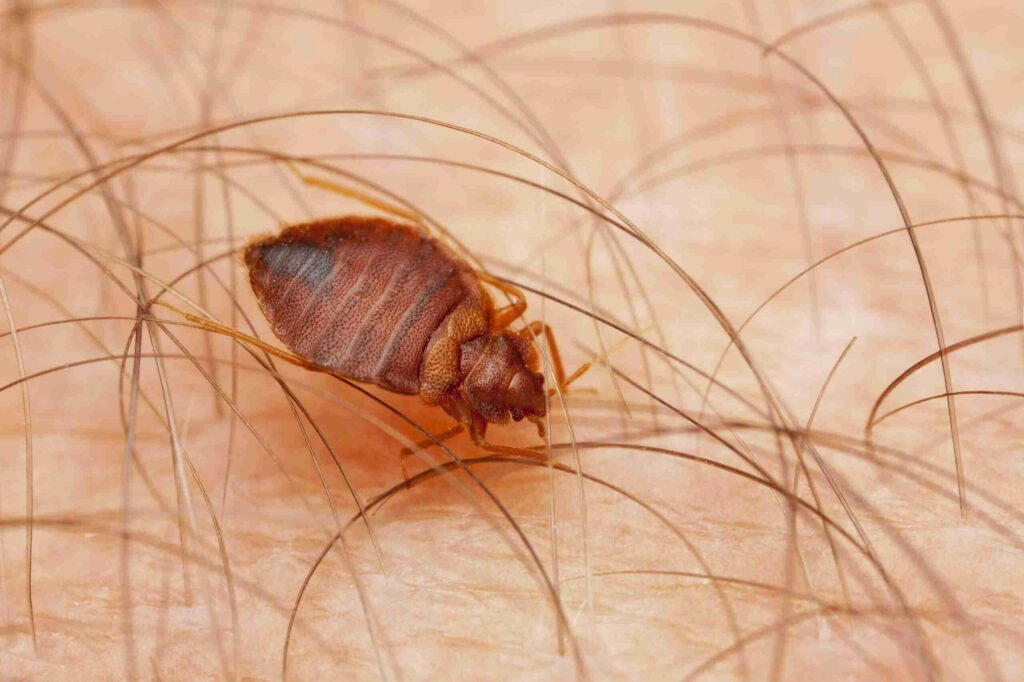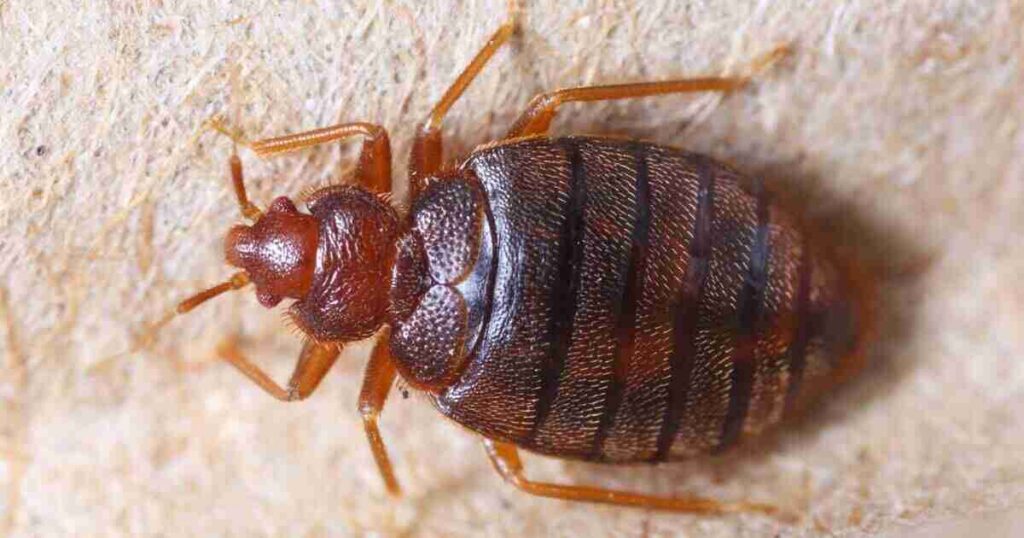
Is heat treatment for bed bugs worth it? For most homeowners asking that question, it comes after they’ve already tried something else. A spray treatment, a mattress encasement, or a product from the hardware store may have seemed like the solution at first, only for the bed bugs to return. At that point, homeowners are understandably looking for something more effective. The question becomes whether heat treatment can finally solve the problem—or whether it will lead to another frustrating experience.
That tension is understandable, and it deserves a straight answer. Heat treatment costs more upfront than chemical programs. That part is true. But the math changes fast when you factor in repeat visits, re-prep days, and the mental cost of still seeing live bugs three months in. Many homeowners land at thermal remediation only after repeat chemical cycles drain them. They didn’t start there because of the price tag. They ended up there because nothing else finished the job.
How heat treatment actually eliminates bed bugs
The science here is straightforward. Bed bugs and their eggs die when exposed to 122°F (50°C) or higher, and they can’t develop resistance to heat the way they can to insecticides. That temperature threshold is the key advantage: a well-executed whole-room heat treatment kills every life stage in a single session, including eggs that would survive a chemical treatment and hatch days to weeks later.
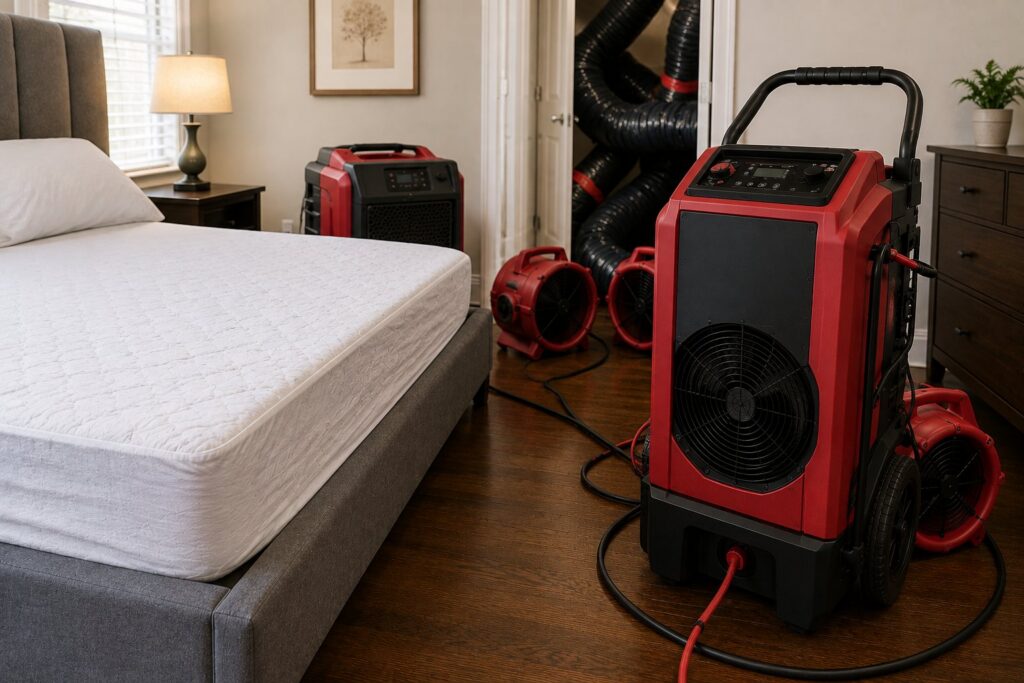
What separates professional thermal remediation from a consumer steamer or heat gun is the scale and duration of the application. Professional systems circulate heat throughout an entire space for 6 to 8 hours, targeting every surface, wall void, mattress seam, and furniture joint at lethal temperature. Achieving uniform heat across a complex structure is the goal, and the challenge. A handheld steamer can kill what it touches. A professional system is designed to reach what it can’t even see.
Temperature thresholds and exposure time
Bed bugs survive chemical treatments specifically because eggs hide in places sprays don’t reach, inside mattress seams, behind baseboards, and inside box spring frames. Heat doesn’t have that problem. At 122°F, there’s no safe pocket when every harborage reaches and holds that temperature, which is why technician skill and building complexity are the real variables in any treatment outcome.
Professional systems vs. consumer steamers
Consumer-grade steamers deliver localized heat to visible surfaces. Professional heat treatment equipment is engineered to maintain lethal temperatures throughout an entire room or structure for the full treatment duration. That sustained, whole-space exposure is what makes thermal remediation for bed bugs fundamentally different from any DIY approach.
What the success rate research actually shows
Under controlled conditions, the numbers are about as good as pest control gets. Peer-reviewed laboratory studies confirm 100% mortality when bed bug specimens are held at 50°C for 60 minutes; whole-room protocols targeting 50°C, or 48°C held for 71.5 minutes, produce full elimination under controlled conditions. Those results set the ceiling for what’s possible when every area reaches lethal temperature.
Real-world field performance runs slightly lower, and you should know that going in. A comparative study of professional heat systems recorded total mortality ranging from 85.2% to 98.3% across different equipment setups, with no single system reaching 100% in that trial. Practitioner reporting from residential settings typically puts first-visit resolution rates at around 95% to 98%. That’s a strong number. It’s also not a guarantee, which matters when you’re spending several thousand dollars.
The documented failure modes are specific and mostly preventable. Cool spots where temperature never reaches lethal threshold account for the most incomplete kills. Insufficient hold time is the second leading cause. Heavy clutter that blocks heat circulation from reaching hiding spots is the third. Extension service guidance from Virginia Tech makes this plain: technician performance and building complexity are the real variables in field conditions. The method works. Execution determines the outcome.
Contrast that with chemical treatments, which require multiple visits by design because insecticides can’t kill eggs, only hatched bugs. Even a perfectly executed chemical program needs 2 to 3 visits over 4 to 6 weeks to break the life cycle. Heat bypasses that problem entirely when the treatment is done right.
What to Expect From Professional Bed Bug Heat Treatment in 2026
Professional bed bug heat treatment is more involved than simply raising the temperature inside a home. Technicians must carefully prepare and monitor the treatment area so heat reaches the places where bed bugs and their eggs may be hiding. The scope of the treatment depends heavily on the property and the severity of the infestation.
Several factors can make a heat treatment more complex. Heavy infestations may require additional equipment, treatment time, and follow-up monitoring. Dense clutter can interfere with heat circulation, while larger homes, finished basements, irregular layouts, and difficult-to-reach spaces can make maintaining consistent temperatures throughout the treatment area more challenging.
It’s also important to understand exactly what a provider includes in the service. Some companies may include preparation instructions, monitoring, follow-up inspections, or a treatment guarantee, while others structure these services differently. Before choosing a provider, ask what happens before, during, and after treatment and whether additional service may be recommended if activity continues.
The more useful comparison isn’t simply heat treatment versus chemical treatment. It’s whether the treatment plan addresses the entire infestation. Bed bugs can hide in mattress seams, bed frames, headboards, furniture, wall gaps, baseboards, and other protected areas. Whatever method is recommended, homeowners should look for a comprehensive plan designed around the extent of the infestation rather than choosing a treatment based on a single factor.
Heat treatment pros and cons: the honest trade-offs
Heat’s biggest limitation is the one its advocates don’t always volunteer. Once the space cools, there’s no residual protection. A single bed bug reintroduced from a suitcase, a neighbor’s unit, or a secondhand piece of furniture can restart an infestation from zero. That risk is meaningful depending on your living situation.
Chemical treatments leave residual insecticide that continues killing for weeks after application. For people in shared-wall buildings, frequent travelers, or multi-unit properties where reinfestation risk is elevated, that residual barrier has practical value. It’s not a reason to choose chemical over heat for the initial kill. It is a reason to consider what happens after the heat treatment ends.
Integrated approaches address this directly. Pairing heat’s immediate whole-room knockdown with a targeted residual chemical application along baseboards and entry points gives you both: fast, complete elimination of the current infestation and an ongoing barrier against reintroduction. This is the preferred strategy for multi-unit buildings and high-traffic environments. For most single-family homeowners dealing with a contained, identified infestation, whole-house heat treatment alone is the faster, cleaner path.
How to prep your home for a heat treatment
Preparation is where homeowners most often undermine a treatment they paid good money for. The most common mistake is moving infested items to other rooms or the car without sealing them first; this spreads the infestation before the heat can do its job. The second most common mistake is leaving dense clutter piled against walls, which creates insulated cool pockets where bugs survive.
The core prep steps are straightforward:
- Declutter floor space and move furniture a few inches from walls so heat circulates behind it.
- Wash all bedding and clothing and dry on high heat. Bag and seal items you’re removing from the treated space; leave items that will remain in the room in place, so they receive full heat exposure.
- Open all closet doors and dresser drawers.
- Remove pets, aerosols, candles, medications, plants, and heat-sensitive electronics before treatment begins.
- Leave most belongings in the treated area; items that stay in the room reach lethal temperature. Items that leave the room might carry bugs with them.
After the treatment, follow your technician’s instructions on re-entry timing. Do not vacuum or wipe treated surfaces prematurely, because this can disrupt any residual application and remove evidence the technician might need. Expect to see dead bugs in the first 24 to 48 hours. That’s a sign of success, not ongoing infestation. Monitor for two to three weeks. If live bugs appear after that window, contact your exterminator immediately.
So is heat treatment for bed bugs worth it? A straight answer
For a single-family home with a confirmed, contained infestation, heat is the cleaner and faster option in most cases. One visit, no re-prep cycles, no waiting on newly hatched eggs between chemical rounds. Anyone who has already gone through one or two chemical treatments without full resolution is likely looking at heat treatment costs that are equal to or less than what they’ve already spent, with a much higher probability of being done.
Is heat treatment worth it for bed bugs in high-reinfestation-risk environments? The answer gets more nuanced. Shared-wall buildings and frequent travelers benefit from combining heat with residual treatment. Budget-constrained renters whose landlords control the treatment decision may have chemical as their only available path. Chemical treatment still works in those situations. It just takes longer and requires more cooperation with the re-prep process.
Rock Pest Control has handled bed bug cases across the Kansas City metro, homes, apartments, and commercial properties in Kansas City, MO, Overland Park, Liberty, and Independence. If you want to know exactly what a professional heat treatment would cost for your specific space, a free estimate removes the guesswork before you commit to anything.
The bottom line
Heat treatment for bed bugs costs more upfront. It also delivers a near-certain, one-visit elimination that chemical programs rarely match. The key decision factors are home type, infestation severity, reinfestation risk from your living situation, and whether long-term cost savings matter more to you than the lowest initial number on the invoice.
If you’re in the Kansas City area and want to know exactly what a professional heat treatment would cost for your specific space, Rock Pest Control offers free estimates within 24 hours, no commitment, just a straight number for your situation.
The question isn’t really whether heat treatment for bed bugs is worth it. For most people dealing with an active infestation, it is. The real question is whether you want to solve this once.