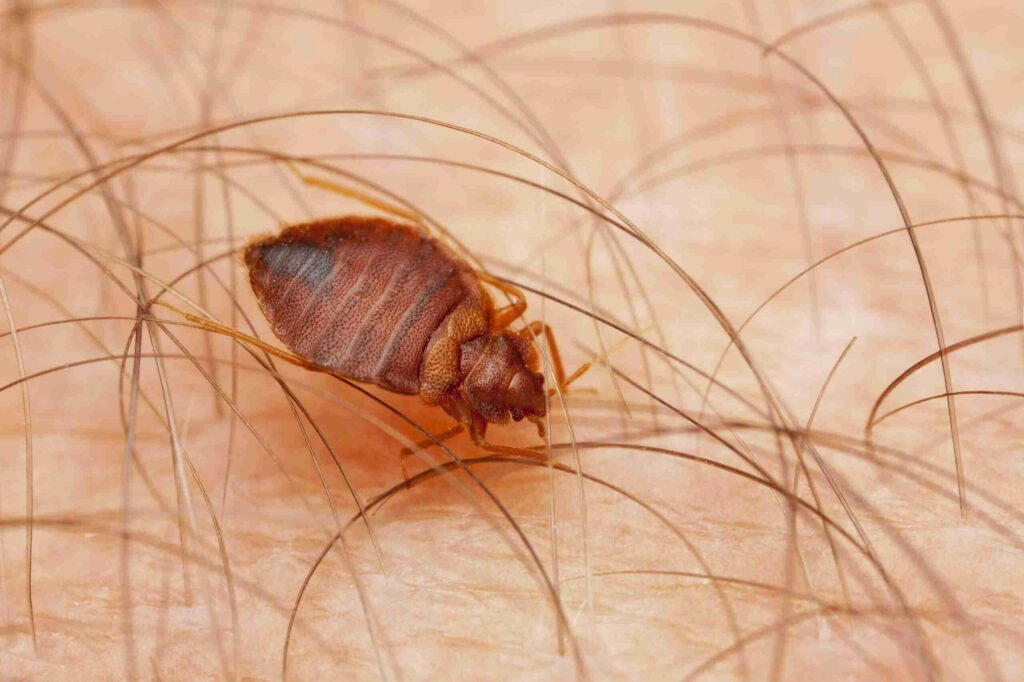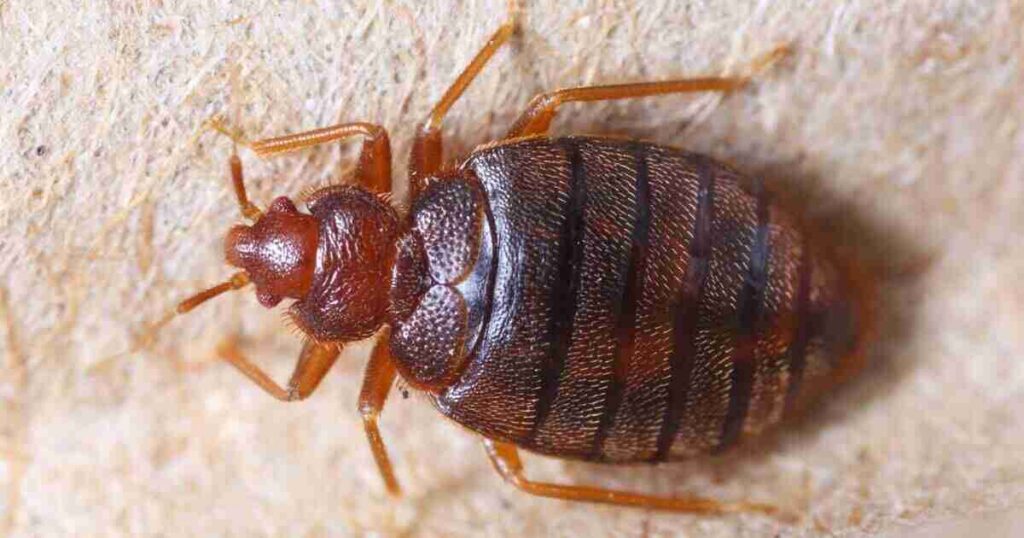
How Bed Bugs Actually Travel Between Units
Bed bugs can’t fly or jump, so it’s tempting to think an infestation in one apartment would just stay there. In a multi-family building, it usually doesn’t. Shared walls, shared utility lines, and a steady stream of people moving between units give bed bugs far more ways to travel than they’d ever have in a standalone house.
The most common paths are the gaps that are already built into the building: electrical outlets and switch plates on a shared wall, plumbing and cable penetrations, cracks around baseboards and door frames, and — in older buildings — shared HVAC returns. None of these require the bugs to chew through anything. They just crawl through what’s already open.
People do the rest of the work without realizing it. Moving furniture between units, borrowing a lamp or a chair from a neighbor, visiting someone else’s apartment and picking up a hitchhiker on a bag or jacket, or using a shared laundry room can all move bed bugs from one unit to the next just as easily as a crack in the wall.
Frequently Asked Questions
Yes — not by chewing through drywall, but through the gaps that are already there. Electrical outlets, plumbing penetrations, and cracks around baseboards on a shared wall all give bed bugs a path from one unit into the next.
Not automatically, but the risk is real, especially in units that share a wall, floor, or ceiling with theirs. The sooner an infestation next door is treated, the less chance it has to spread — if you notice bites or signs of bed bugs, it is worth having your own unit inspected even if you have not seen any yourself.
Think Bed Bugs Might Already Be Spreading in Your Building?
Treating just one unit rarely solves a bed bug problem in an apartment building — if bugs have already moved into a shared wall or a neighboring unit, they can just move right back. Rock Pest inspects and treats the surrounding units too, so the infestation actually goes away instead of bouncing around the building. See the full Bed Bug Control in Kansas City overview, or read about what actually attracts bed bugs in the first place.