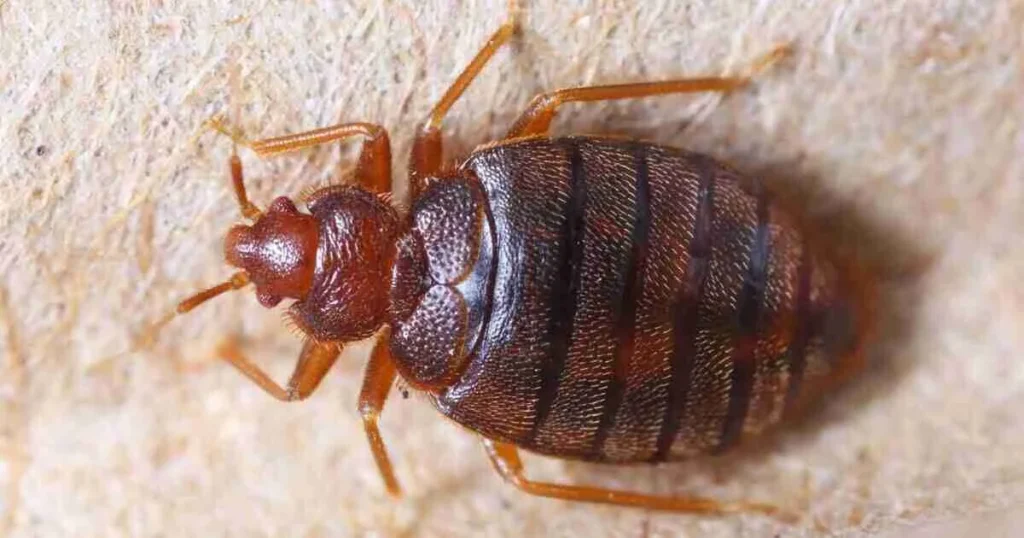
If you suspect a renter bed bug infestation, the clock starts the moment you spot evidence. A small, reddish-brown bug scurrying toward the mattress seam. Tiny dark spots on the headboard. Unexplained bites three mornings in a row. Whatever tipped you off, what you do next matters, and most renters either freeze up or react badly. Both responses cost them later.
This guide cuts straight to what you need to do: document the problem properly, notify your landlord in writing, and get a professional inspection on the calendar. The steps matter in a specific order. Skipping any one of them makes the problem harder and more expensive to fix. Get this right from the start, and you’re in a far stronger position.
Stop what you’re doing and avoid these mistakes first
Don’t reach for a fogger or move your stuff
Bug foggers, sometimes called “bug bombs,” are one of the worst things you can do when you discover bed bugs. They don’t penetrate the cracks, seams, and wall voids where bed bugs hide. What they do is scatter the population deeper into your walls and into adjacent units. Moving infested furniture or bedding out of the room is just as damaging: it spreads the infestation to new rooms and into the belongings you’re trying to save. Contain the situation. Don’t react impulsively.
What you should actually do in the first 24 hours
Stay calm, and don’t migrate to another room to sleep. Moving to another location just introduces bed bugs to a new area and expands the infestation. Instead, shift into documentation mode immediately. The next 24 to 48 hours set the tone for everything that follows. A renter bed bug infestation is treatable when handled correctly, but your actions right now determine how much leverage you’ll have when you notify your landlord.
Documenting a renter bed bug infestation properly
What to photograph, capture, and log
Start with time-stamped photos of every piece of evidence you can find: live bugs, shed skins, fecal spotting (small dark dots along mattress seams and baseboards), blood smears on sheets, and bite marks on your skin. If you can safely capture a live bug, press it onto clear tape or seal it in a container. Don’t crush it. Identification matters because bed bugs are sometimes confused with other insects, and a confirmed specimen strengthens your report significantly. A live sample gives a licensed exterminator something to verify, which makes your written notice to the landlord much harder to dispute.
Building a written record that holds up
Keep a running, dated log of every sighting, symptom, room affected, and conversation with your landlord. Save every text message and email. Pull out your lease and note any clauses related to pests or maintenance responsibilities. Document like someone is going to dispute everything you say later, because they might. A clear record shows your landlord and your pest control company exactly what’s happening and where.
How to notify your landlord the right way
Writing a clear notice to your landlord
Verbal reports get lost. Your notice needs to be written, specific, and delivered in a way you can prove. Check your lease first for any required notice method or address. If it doesn’t, send it in writing and keep a copy. Supplement it with email and any landlord portal required by the lease. Your notice should state when you first observed the problem, what evidence you found, where in the unit it appeared, and include a clear request for professional inspection and treatment with a stated response deadline.
Getting a professional estimate to show urgency
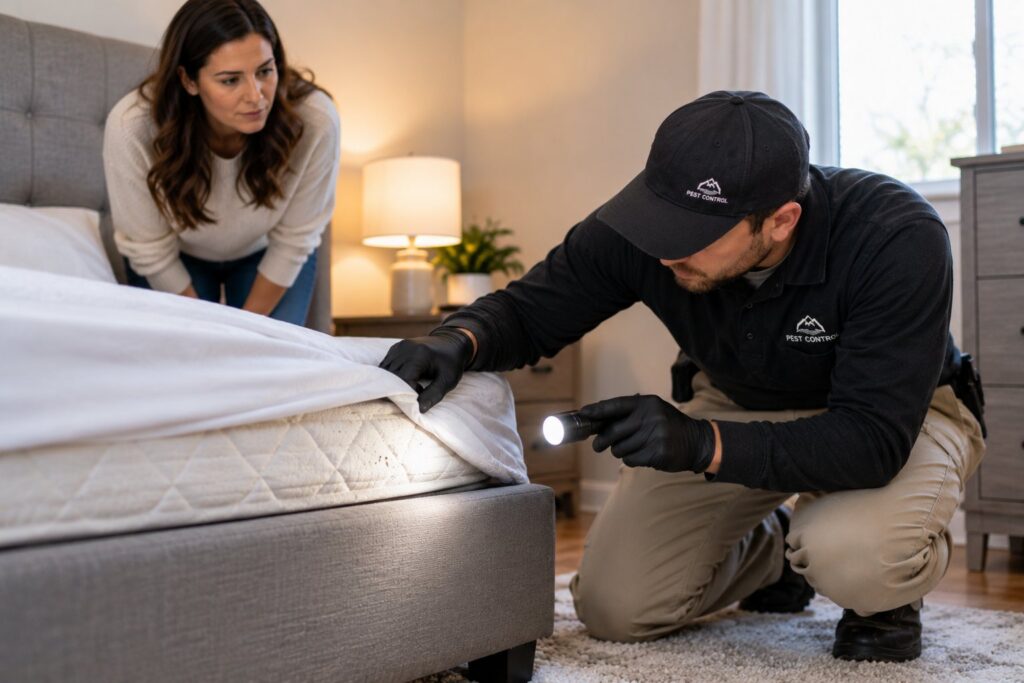
A written estimate from a licensed exterminator gives your landlord something concrete to respond to, rather than just a complaint. Consider reaching out to a local pest control company that offers free estimates; having a real dollar figure in hand shifts the conversation from “we’ll look into it” to something your landlord has to address on record. When they see a quote for professional heat treatment on an apartment, a vague complaint becomes a documented expense they can’t easily ignore. Rock Pest Control offers free estimates within 24 hours for Kansas City area renters, so you can move quickly without delay.
What your notice should say, word for word
Keep it factual, unemotional, and specific. A solid notice looks something like this: “On [date], I observed [evidence] in [locations]. Photographs are attached. Please arrange a licensed professional inspection and confirm a treatment schedule in writing within [X] days.” Avoid accusatory language. Stick to the facts with documentation references. That tone keeps you protected and keeps the focus on the problem, not a dispute.
Does renters insurance cover any of this?
The honest answer: most policies don’t want you to read
Standard renters insurance rarely covers bed bug extermination, replacement of infested belongings, or temporary relocation costs caused by an infestation. Insurers treat bed bugs as a maintenance or infestation issue, not a covered peril. When you read your policy, look for exclusion language around “infestation,” “insects,” “vermin,” “neglect,” and “gradual damage.” Those terms are how standard policies carve out exactly this situation. Don’t assume your policy has you covered until you’ve verified it specifically.
The one exception worth checking for
Some insurers offer a bed bug endorsement as an add-on, which may cover treatment costs and limited property replacement up to a specified dollar cap. If you have renters insurance, call your insurer directly and ask whether your policy includes this coverage or whether you can add it. Even with an endorsement, deductibles and coverage caps apply. Insurance may reduce your out-of-pocket costs, but it’s rarely a complete solution.
You’re not powerless here: take action now
A renter bed bug infestation feels overwhelming, but the tenant who documents everything, notifies the landlord in writing, and gets a professional inspection is in a far better spot than one who panics or stays quiet. The biggest mistake renters make is waiting too long or handling it informally. Every day without a written notice is a day your landlord has plausible deniability.
Get the estimate. Send the letter. Keep the records. If your landlord acts quickly and professionally, great. If they stall, you have everything you need to escalate. The steps in this article aren’t complicated, but they have to be done in order, and they have to be in writing. Stay organized, stay calm, and move fast.
A renter bed bug infestation is manageable when you follow the right process. If you’re in the Kansas City area and need a licensed inspection or a free written estimate within 24 hours, reach out to the team at Rock Pest Control. We work with renters regularly and understand the urgency. Get in touch, and we’ll get you the documentation you need to take the next step.
Frequently Asked Questions
Document the infestation with photos, record sightings, and notify your landlord in writing immediately. Avoid using bug bombs or moving infested furniture, as these actions can spread bed bugs.
Foggers don’t reach the seams, cracks and wall voids where bed bugs hide. They push the bugs deeper into walls and into other rooms, which makes the infestation bigger and harder to treat.
Send a written notice describing the evidence, affected rooms, and date of discovery. Include photos, request a professional inspection, and keep copies of all communications.
Yes. A licensed inspector can confirm whether you have bed bugs, show how far they’ve spread and recommend the right treatment. Having that report in hand also gives your landlord a clear picture of the problem.
Most standard renters insurance policies exclude bed bug treatment, damaged belongings, and relocation expenses. Some insurers offer additional bed bug coverage, so check your policy for specific terms.