Is it worth hiring a pest exterminator or doing it yourself? That question runs through your head the moment you spot a roach scurrying under the fridge, a line of ants across the kitchen counter, or mysterious bites on your arm. Your first instinct is to head to the hardware store and grab something off the shelf. That instinct makes sense. It feels faster, cheaper, and within your control.
But the DIY-versus-professional question isn’t really a money question. It’s a results question. The cheaper option isn’t always the one that costs less upfront. Sometimes the $20 spray can turns into $400 worth of follow-up products plus an exterminator bill that’s higher than it would have been if you’d called first. Before you spend anything, consider getting a professional opinion. Rock Pest Control offers free estimates within 24 hours, which means you can know exactly what you’re dealing with before you spend a dollar on treatment.
This article gives you a straight breakdown: which pests respond to DIY, which ones don’t, what professional treatment actually costs, and a simple decision checklist you can use today.
Why DIY pest control often costs more than you expect
The math on DIY looks appealing until you account for repeat purchases. Industry data consistently shows that most homeowners attempt DIY extermination before calling a professional, and cockroach infestations often require multiple rounds of consumer products before results come close to matching a single professional visit. Add up four or five product purchases, and the savings disappear fast.
The gap between consumer-grade products and professional results
Over-the-counter pesticides are lower concentration than what a licensed technician applies. They also have shorter residual life, meaning they stop working sooner. The bigger problem is that most infestations don’t live in the open. They’re in wall voids, inside appliances, in mattress seams, and under subflooring. A spray can reach what’s visible. It doesn’t reach the nest.
Knockdown is not elimination. Killing the foragers or the roaches you can see leaves the colony intact. Within days or weeks, the problem rebounds, you buy more product, and the cycle continues.
What repeat DIY treatments actually cost you
Beyond the direct cost of products, there’s the time spent researching, applying, and retreating. That time has real value. More importantly, every week you delay professional treatment on a serious infestation is a week the problem spreads. A bed bug problem confined to one bedroom becomes a two-room problem. A rodent issue with one entry point becomes a structural problem. The eventual professional cost goes up the longer you wait.
Pest control pros vs. cons: where DIY falls short
Some pests are just not good candidates for consumer products. This isn’t opinion. Retreatment rates and effectiveness data make it pretty clear which side of the line they fall on.
Bed bugs: why sprays don’t reach the problem
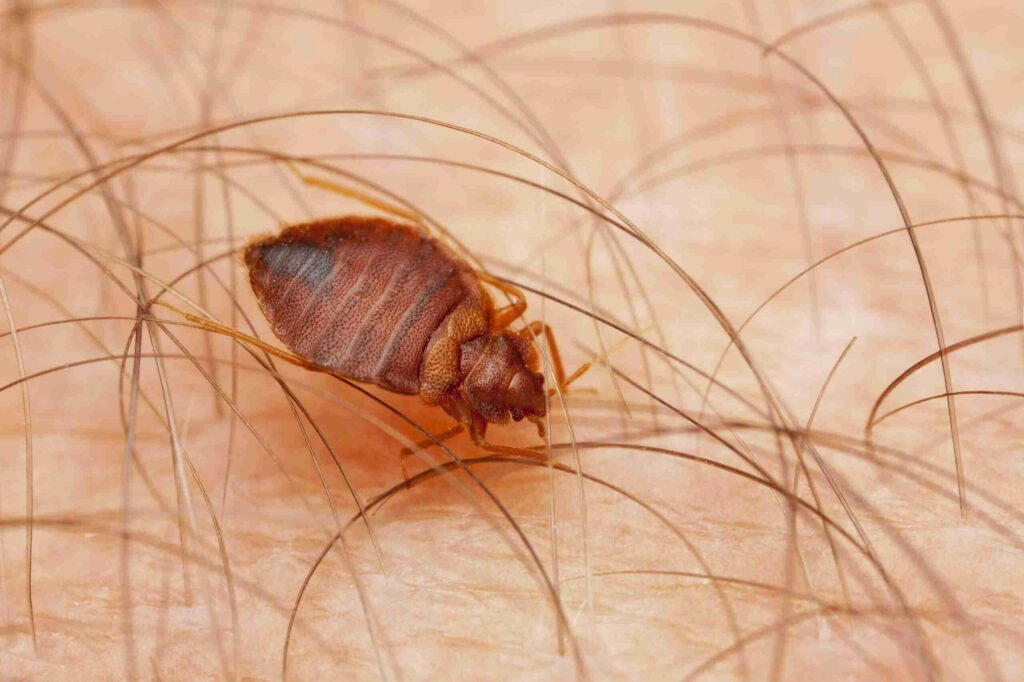
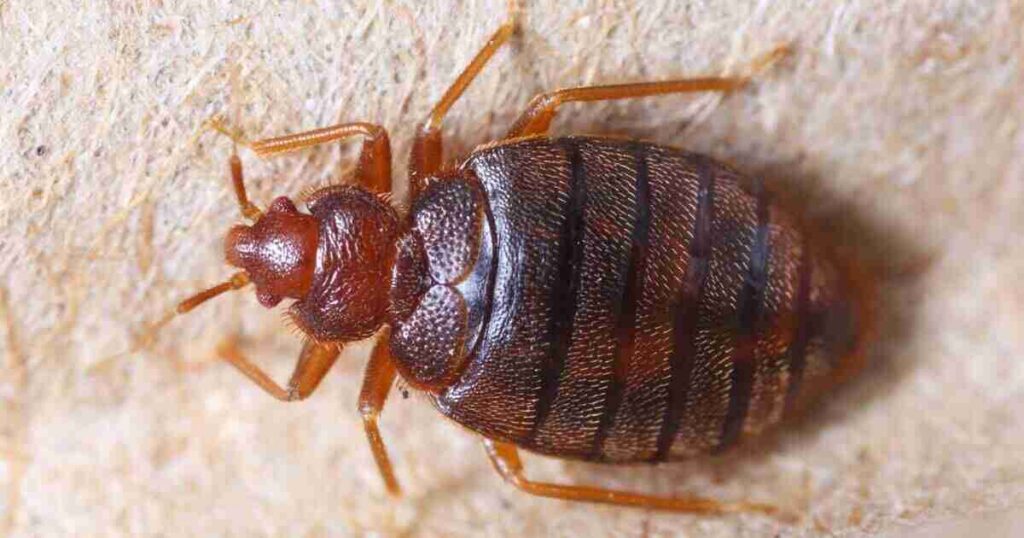
Bed bugs hide in mattress seams, furniture joints, wall voids, and electrical outlets. Consumer sprays rarely penetrate those spaces. Professional heat treatment, by contrast, raises the entire room to a temperature that kills bugs and eggs regardless of where they’re hiding. Industry estimates put professional heat treatment first-attempt success rates well above 90%, while DIY chemical sprays show significant recurrence within 30 days.
Professional bed bug treatment varies depending on the size of the home, severity of the infestation, and how far the activity has spread. While DIY treatments may seem like a reasonable first step, unsuccessful attempts can give bed bugs more time to reproduce and move into additional rooms.
By the time professional help is called, what started as a contained problem may require a more extensive treatment plan. Addressing bed bug activity early can help limit the spread and make the infestation easier to manage before it becomes established throughout the home.
Cockroaches and the hidden nest problem
Consumer sprays reduce the roaches you see. They don’t eliminate the nest. Cockroaches live deep in cracks, inside appliances, and behind walls. Dense infestations need professional gel baiting and crack-and-crevice treatment to reach the source. Professional cockroach treatment targets the infestation directly and may include follow-up service. Repeated DIY attempts can delay effective treatment and allow the problem to spread.
Rodents: traps alone don’t fix the entry point
A snap trap catches one mouse. It doesn’t close the gap where more can enter. Effective rodent control combines trapping with exclusion: finding and sealing entry points with chew-resistant materials. Without exclusion, the problem can keep coming back.
When DIY pest control is actually the right call
The straight answer here: DIY does work in specific situations. Saying otherwise would be dishonest, and it wouldn’t help you make a good decision.
Minor ant problems: the one area where DIY baits can genuinely work
For a new, small ant trail, consumer bait products can be genuinely effective. Products like Terro liquid bait and Advion gel work because the active ingredient gets carried back to the colony. That’s how you actually eliminate ants rather than just scattering them. The key word is bait, not spray. Sprays kill foragers on contact and leave the colony intact. If you use a quality bait and the ants return after two properly applied treatments, the colony is likely inside the structure, and that’s a professional job.
First appearances and preventive maintenance
A single cockroach sighting in a clean home is not the same as an established infestation. Sealing gaps around pipes, removing food sources, adding door sweeps, and keeping the kitchen clean are all legitimate and effective prevention steps. These are maintenance tasks, not treatments. The distinction matters: prevention is DIY territory. Treatment for an existing infestation usually isn’t.
Warning signs that mean you need a professional right now
Some situations are not judgment calls. They require a professional, and they require one quickly. Here’s what those situations look like.
Active termite indicators
Mud tubes, discarded wings, or recurring frass can indicate an active termite infestation. Sagging floors, sticking doors, hollow-sounding wood, and damaged structural materials may signal more advanced activity. At that point, a professional termite inspection should be a priority.
When the infestation has already spread
If you’re finding pest signs in multiple rooms, the problem is no longer containable with DIY methods. Bed bugs moving from the bedroom to the living room, or rodent droppings in three different areas of the house, both indicate an established infestation that has had time to grow. Continuing to treat it yourself at that stage doesn’t fix the problem. It gives the infestation more time to expand while delaying the professional call you’ll eventually have to make anyway.
What a reputable exterminator should give you before you agree to anything
Not all pest control companies are equal. Knowing what to look for protects you from overpaying or under-getting.
Licensing and certification: what to actually verify
In Missouri, pest control companies must hold a pesticide business license with the Missouri Department of Agriculture, and at least one certified commercial applicator must be on staff. Technicians working in the field must hold a pesticide technician license for structural pest control categories. Ask to see the license. A reputable company provides it without hesitation. If they’re vague about it, that’s your answer.
Guarantees and retreatment windows: the questions to ask
Expect a written guarantee that specifies the retreatment window clearly. For general pest control, that’s commonly 30 days to 12 months. For termite work, guarantees typically run one to five years, but ask whether annual inspections are required to keep the warranty valid and whether structural damage is covered if treatment fails. If the company can’t answer those questions clearly, keep looking.
Before you spend anything on DIY or professional treatment, get a professional assessment of the actual scope of your problem. Rock Pest Control provides free estimates within 24 hours, so you’ll know exactly what you’re dealing with and what it will cost before you make any decisions.
DIY vs. Professional Pest Control
- Ants (minor, new trail): DIY bait may work for small, isolated activity if applied correctly.
- Cockroaches (established): Professional treatment is recommended for established infestations that continue despite DIY attempts.
- Bed bugs: Professional treatment is typically the better approach because bed bugs hide easily and can be difficult to eliminate.
- Rodents: Traps can remove individual rodents, but professional exclusion addresses how they are getting inside.
- Termites: Active termite infestations require professional inspection and treatment.
A practical checklist: is it worth hiring a pest exterminator or doing it yourself?
Run through these questions before you buy anything at the hardware store or book a treatment.
- What pest is it, and have you confirmed the identification?
- Is this a first appearance or a problem that keeps coming back?
- Are you finding signs in more than one area of your home?
- Have you already tried DIY treatment without lasting results?
- Is there any sign of structural involvement: mud tubes, droppings in walls, evidence of nesting inside the structure?
If your pest is ants, the problem is new, and it’s confined to one area, start with a quality bait product and give it two full applications before escalating. For anything else on that list, especially bed bugs, cockroaches, rodents, or termites, call a professional before you buy anything. The free estimate is the first move, not the last resort.
Make the right call the first time
Whether it’s worth hiring a pest exterminator or doing it yourself comes down to three factors: what the pest is, how far the infestation has spread, and whether you’ve already tried and failed. DIY isn’t wrong. It’s just the wrong tool when the infestation is established, hidden, or has already had time to grow.
The smartest first move for anything beyond a minor ant trail is to get a professional assessment before you spend money guessing. Rock Pest Control serves Kansas City and the surrounding metro area, including Overland Park, Liberty, and Independence. Free estimates within 24 hours mean you’ll know the real scope of the problem and the actual cost of solving it so you can make an informed decision.
You now know which pests respond to DIY pest control, which ones don’t, what professional treatment costs, and what to ask before signing anything. The only question left is whether the spray can in your hand is actually the right tool for this job.
Frequently Asked Questions
For a new, minor ant trail, a quality bait product applied correctly can resolve the problem without professional help. If ants return after two full bait applications, the colony is likely inside the structure and a professional treatment is the next step.
Call a professional when: you’ve already tried DIY without lasting results, you’re finding pest signs in multiple rooms, the pest is a bed bug, termite, or rodent, or there’s any sign of structural involvement. In those situations, DIY products delay the solution rather than provide one.
DIY can work for minor pest problems, but established infestations often require professional treatment. Cockroaches, bed bugs, termites, and other persistent pests can hide or spread beyond the areas DIY products reach, making professional treatment the more reliable option.
Reputable pest control companies provide written guarantees with defined retreatment windows, typically 30 days to 12 months for general pest control and one to five years for termite work. Always ask for the guarantee in writing before agreeing to any treatment.