Commercial pest control in Kansas City is a compliance issue before it’s a pest issue. One bad health inspection doesn’t just cost you a fine; it can close your doors. Kansas City restaurant inspection records are public, searchable, and long-lived. A cockroach violation from six months ago still shows up when a customer searches your business name. Many business owners treat pest control like a utility bill: set it and forget it. That’s a mistake.
Commercial pest management is a compliance program. The consequences of getting it wrong are measured in health code violations, lost customers, and liability. At Rock Pest Control, we’ve walked through enough Kansas City restaurants, warehouses, and apartment buildings to know that most commercial pest problems weren’t inevitable. In our experience, they result from choosing the wrong provider, signing a vague contract, or waiting too long to act. This guide gives you the framework to hire smart: what KC law requires, what a solid bid looks like, and what you should expect to pay.
Why commercial pest control is a different problem than residential
Commercial pest control isn’t just pest control for a bigger building. The stakes, the compliance landscape, and the treatment complexity are fundamentally different. In a home, a roach sighting is embarrassing. In your restaurant or hotel, it’s a Yelp review, a health department violation, and a potential closure notice. Those consequences don’t go away when the pests do.
The liability and reputation risk businesses face
Kansas City health inspection results are public record. Any customer, employee, or competitor can pull up your violation history through the city’s Health Department database. Pest-related citations can damage your reputation long after the infestation is resolved. Businesses that fix the pest problem quickly may still carry the public record of the violation for years.
The financial exposure compounds from there. Beyond fines, a forced closure costs you revenue, staff hours, and restock. If a customer or employee claims illness or property damage linked to pests on your premises, you’re looking at liability exposure that a vague pest control agreement won’t protect you from. This is a business risk problem, not just a hygiene problem.
Commercial properties require ongoing programs, not one-time fixes
A single treatment doesn’t solve a commercial pest problem. Commercial sites have high traffic, constant food or goods movement, and structural conditions that create recurring pest pressure. The right approach is Integrated Pest Management (IPM): a continuous cycle of inspection, monitoring, exclusion, sanitation correction, and targeted treatment only when activity is confirmed. IPM is the industry standard for commercial accounts because it addresses why pests are showing up, not just the pests that are visible today.
A credible commercial pest control provider builds a program around your property type and risk profile. A restaurant has different needs than a warehouse. An apartment building has different needs than a hotel. Generic monthly spraying without monitoring or documentation isn’t a pest management program. It’s a billing schedule.
The pests most likely hitting your Kansas City business by sector
Pest risk in commercial settings is largely predictable by business type. If you know your sector, you know your exposure. Here’s how the common pest threats break down across the KC business categories we see most often.
Restaurant pest control, Kansas City food service risks
Cockroaches are the dominant commercial pest threat in Kansas City food service. German, American, and Oriental cockroaches show up repeatedly in KC restaurant inspection records, typically under sinks, in kitchens, basements, and storage areas. Flies and drain flies follow closely behind, usually tied to organic buildup in floor drains or trash areas. Rodents and ants round out the standard restaurant pest risk profile.
The structural reasons are straightforward: food residue, moisture, warmth, and constant supply deliveries create conditions that attract and sustain pest populations. Multifamily properties face a similar cycle: cockroaches, rodents, bed bugs, and ants spread unit-to-unit when treatment isn’t coordinated across the building. Treating one apartment at a time doesn’t solve a building-wide infestation.
Hotels, warehouses, and industrial pest control in Kansas City
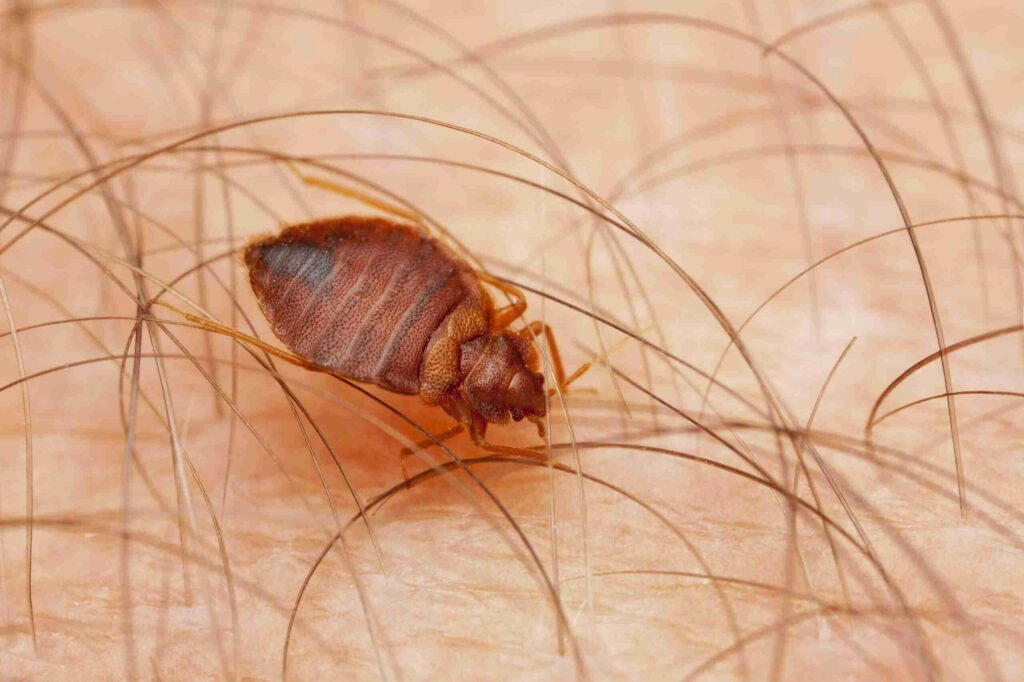
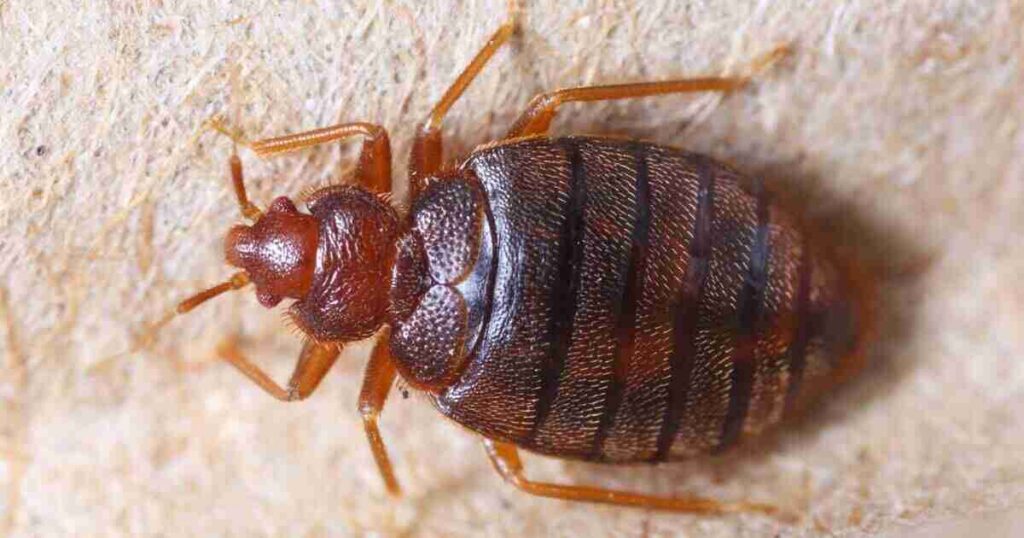
Bed bugs are a defining pest challenge for hotels in the KC metro, with cockroaches and rodents appearing in kitchens, laundry areas, and back-of-house spaces. The guest room turnover cycle makes ongoing monitoring essential. A bed bug problem in one room that goes undetected for a month is a very different remediation scope than one caught in the first week.
Warehouses face rodent and stored-product pest pressure as the primary risks, especially around loading docks and dry goods storage. Inbound shipments are a major vector for introducing pests to otherwise clean facilities. Without a receiving inspection protocol and regular perimeter monitoring, you’re leaving the door open, sometimes literally. Dock sealing, stock rotation, and clutter reduction are as important as any chemical treatment in a warehouse setting.
What Missouri and Kansas City health codes actually require
Most business owners don’t learn what the code requires until they’re cited for violating it. The Missouri Food Code covers pest control explicitly, and the standards go well beyond what a simple quarterly spray visit delivers.
Missouri Food Code pest control provisions
Missouri Food Code sections 6-501.111 and 6-501.112 are the core pest control provisions. Section 6-501.111 requires:
- Routine inspection of incoming shipments for pest evidence
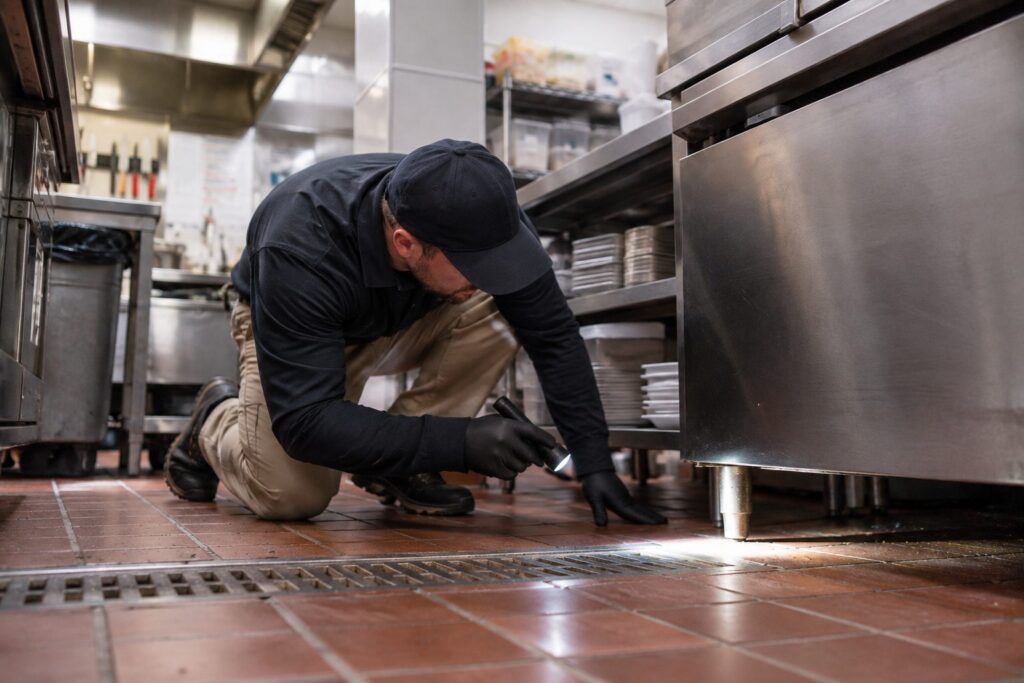
- Routine inspection of the premises for signs of pest activity
- Use of lawful control methods when pests are found
- Elimination of harborage conditions
Section 6-501.112 requires prompt removal of dead or trapped pests before they accumulate or attract further activity.
The code doesn’t just require you to kill pests. It requires you to actively prevent them and demonstrate that you’re doing so. Related sections govern insect control device placement, outer opening protection, and the use of rodent bait stations. A provider who can’t speak to these requirements specifically isn’t equipped to run a compliant commercial program.
How Kansas City inspectors evaluate your pest program during a visit
Kansas City health inspectors look for evidence of active pests, harborage conditions such as grease buildup, clutter, and standing water, the presence of monitoring devices, and documentation of treatment activity. A vendor invoice from three months ago doesn’t satisfy that standard. Inspectors want to see that active management is ongoing, not that a technician showed up once and left a spray residue.
The practical implication: your pest control contract needs to produce documentation at each visit, and your provider needs to show up on a schedule that matches your compliance risk level. For most food service operations, monthly minimum service is the baseline.
How to evaluate any commercial pest control bid
Most commercial pest control bids look similar on the surface. The differences are in the specifics, and the specifics are where businesses get hurt. Here’s what to look for before you sign anything.
Credentials and insurance you need to verify before signing
Missouri requires commercial pesticide applicators to hold a Certified Commercial Applicator license issued by the Missouri Department of Agriculture. Certification requires passing a CORE exam plus a category exam. Ask every provider to confirm their technicians hold this license, and verify it before any agreement is signed. Also request proof of general liability insurance and workers’ compensation coverage. Ask for certificates upfront; a provider who can’t produce them promptly is a red flag worth taking seriously.
NPMA membership and entomologist oversight are positive signals of professionalism. They’re less common among local firms, so don’t eliminate a provider for lacking them, but note them as a meaningful plus when comparing bids from otherwise similar candidates.
Service-level terms that separate a solid contract from a vague one
Response time matters more than most buyers check. A credible commercial provider commits to same-day or 24-hour on-site response for active infestations. “As soon as possible” is not a service-level commitment. Get a number in writing. For monitoring frequency, standard commercial programs run monthly or quarterly depending on risk. Food service operations should expect monthly as the baseline.
The contract should also specify where monitoring devices are placed, who can authorize changes to placement, and whether devices are checked at every visit. Contracts that say technicians will place devices “as deemed appropriate” give you no visibility into what’s actually being done between invoices. That language protects the vendor, not you.
Guarantee and callback terms to read carefully
A defined callback window, commonly 30 days for general pests, is standard in a solid commercial agreement. What matters is whether the language specifies the trigger and the remedy. A guarantee that says “we’ll come back if needed” is not a guarantee. It’s a favor. The contract should define what constitutes a callback-triggering event, what the provider commits to doing about it, and whether that remedy is retreatment, a corrective action plan, or something else.
Also read the liability language carefully. If a treatment causes property damage or fails to resolve a confirmed infestation, you need to know who bears responsibility before you sign, not after something goes wrong.
What to Expect From Commercial Pest Control in Kansas City
Commercial pest control isn’t one-size-fits-all. The type of business, property size, pest pressure, sanitation requirements, and industry regulations can all influence the level of service a Kansas City business needs.
How Commercial Pest Control Varies by Business Type
Offices and retail spaces may primarily need routine inspections, preventative treatments, and monitoring for common pests. Restaurants and food service businesses typically require more frequent attention because food, moisture, storage areas, and waste can create conditions that attract cockroaches, rodents, flies, and other pests.
Warehouses, manufacturing facilities, and larger commercial properties present different challenges. Loading docks, storage areas, utility penetrations, exterior doors, and the overall size of the building can create additional opportunities for pests to enter and remain undetected.
Most commercial pest control programs are built around recurring inspections and preventative service rather than waiting for an infestation to develop. Depending on the property, service may include monitoring devices, targeted treatments, entry-point inspections, sanitation recommendations, documentation, and follow-up when pest activity is detected.
For businesses with ongoing pest pressure or compliance requirements, a structured pest management program can also provide a consistent service record. When comparing Kansas City commercial pest control companies, look beyond the frequency of visits and ask what pests are covered, what documentation is provided, how problems between scheduled services are handled, and how the treatment plan is adjusted when conditions change.
Choosing the right Kansas City commercial exterminator
The right provider isn’t necessarily the cheapest or the biggest name. It’s the one who can answer specific questions with specific answers, and put those answers in writing. Here’s how to tell the difference.
Questions to ask every provider before you hire
Run every candidate through this list before you commit to anything:
- Are your technicians licensed Certified Commercial Applicators in Missouri? Can you provide insurance certificates today?
- What is your guaranteed response time for an active infestation on my property?
- Does your service agreement specify monitoring device placement locations, or just “treatments as needed”?
- What exactly triggers your callback or retreatment guarantee, and what does the remedy look like?
- Do you build a customized program for my business type, or is this the same contract you run for every account?
If a provider stumbles on any of those questions or redirects you to a sales pitch, that’s your answer. A provider who handles commercial compliance work regularly knows these questions cold.
Why Kansas City businesses trust Rock Pest Control for commercial work
Rock Pest Control serves commercial properties across the Kansas City metro, including restaurants, apartment buildings, retail operations, and multifamily complexes. We offer free estimates for commercial properties with fast turnaround, no waiting a week to understand your costs, no generic contracts written the same way for every account.
Every commercial program we build is calibrated to your specific pest risk, property type, and compliance requirements. We use eco-friendly methods where they’re effective, back our work with a satisfaction guarantee, and know the pest pressures specific to the KC metro because we’ve been treating them for years. If you’re comparing bids, get ours first.
What to do next
Commercial pest control in Kansas City is a compliance and reputation issue. Treating it like a commodity purchase is how businesses end up with a vague contract, a missed inspection, and a violation that stays on the public record long after the pests are gone. What you need is straightforward: a licensed, insured provider; a contract with specific response commitments and a clear guarantee; and a program built for your business, not a template pulled off the shelf.
If you’re a Kansas City business owner who needs a straight answer on cost and scope, contact Rock Pest Control to request a free estimate with no obligation. Confirm current turnaround time when you call. It costs you nothing to compare, and the information you get will make every other bid easier to evaluate.
Frequently Asked Questions About Commercial Pest Control in Kansas City
It depends on the property and pest risk. Restaurants and food service businesses often need more frequent service, while lower-risk offices and retail spaces may need monthly or quarterly visits.
Cockroaches, rodents, flies, ants, bed bugs, and stored-product pests are common concerns. The specific risks depend on the business type and property conditions.
A strong program should include routine inspections, monitoring, prevention, targeted treatments, sanitation recommendations, service documentation, and follow-up when pest activity is found.
Look for proper licensing and insurance, clear response times, detailed service records, defined callback terms, and a pest management program tailored to your business.
Ongoing pest management helps protect sanitation, regulatory compliance, customers, employees, and your business reputation. It can also reduce the risk of pest-related health code violations.