
You wake up with a line of itchy, red welts on your forearm, one of the more recognizable bed bug symptoms, and spend the next ten minutes convincing yourself it was mosquitoes. Then it happens again two nights later. People sometimes treat bites for weeks before recognizing bed bugs are the real culprit, all while the infestation quietly grows in their bedroom. That’s not a knock on anyone; bed bug signs are easy to misread, and symptoms range from dramatic skin reactions to absolutely nothing.
The good news is that a bed bug infestation leaves behind more than just bites. Once you know what to look for, the physical evidence on your mattress and furniture tells a much clearer story than your skin does. This article walks you through what bites actually look like and why they’re unreliable on their own, the physical signs that confirm an infestation, how to separate bed bugs from other common culprits, what parents and caregivers need to watch for in kids, how to treat bites at home, and what your next move should be if the evidence keeps pointing toward bed bugs.
Common bed bug symptoms and bite patterns
Bites are one clue, not proof. That said, they do follow a recognizable pattern worth understanding. Typical bites appear as small, red or pink raised welts, sometimes with a slightly darker center, and they show up on skin that was exposed during sleep: arms, neck, face, hands, and shoulders are the most common spots. On darker skin tones, the bites may appear purple, brown, or close to skin-colored, which makes them far easier to dismiss or miss entirely.
One timing detail trips up a lot of people: the reaction is delayed, often showing up hours to a full day after the actual bite, sometimes longer. This is nothing like a mosquito bite, where you feel the itch within minutes. That delay means you may not connect the welt on your arm Tuesday morning to what happened in your bed Monday night.
The “breakfast, lunch, and dinner” pattern explained
Pest professionals use a shorthand for the bite pattern that’s worth knowing: three bites in a line or tight cluster, sometimes called “breakfast, lunch, and dinner.” It happens because a feeding bed bug gets disturbed mid-meal, moves slightly, and resumes feeding. The result is a small row of bites across the forearm or shoulder rather than a single, isolated welt. A neat line of two to four bites on the upper arm after waking is a strong early signal worth taking seriously, even if you haven’t found anything else yet.
Why bites look different on different skin tones
On lighter skin, bites typically show up red or pink with a raised, bumpy texture similar to a hive. On medium to darker skin tones, the same bite can present as a slightly raised brown or purple mark, or look nearly flat against the surrounding skin. Some people develop a noticeable bed bug rash with hive-like swelling, while others get a mild, barely visible dot. This variability is part of why bites alone can’t confirm or rule out an infestation.
Early bed bug symptoms to watch for on your mattress and furniture
Roughly 30% of people show no skin reaction to bed bug bites. If you or someone in your home falls into that category, bites will never tip you off, which is exactly why the non-bite evidence matters more. Knowing which four physical signs to look for turns a confusing bedroom sweep into a clear yes-or-no answer.
The four physical signs that confirm bed bugs
- Fecal spots: Tiny black or reddish-brown dots, about the size of a period at the end of a sentence, clustered along mattress seams, box spring edges, and baseboards. They look like someone dabbed a fine-tipped marker in one spot repeatedly.
- Blood stains: Rust-colored smears on sheets or pillowcase edges, left when a bug is crushed during sleep.
- Shed skins: Pale, translucent exoskeletons left behind as nymphs molt through their growth stages. They hold the shape of the bug but feel hollow and papery.
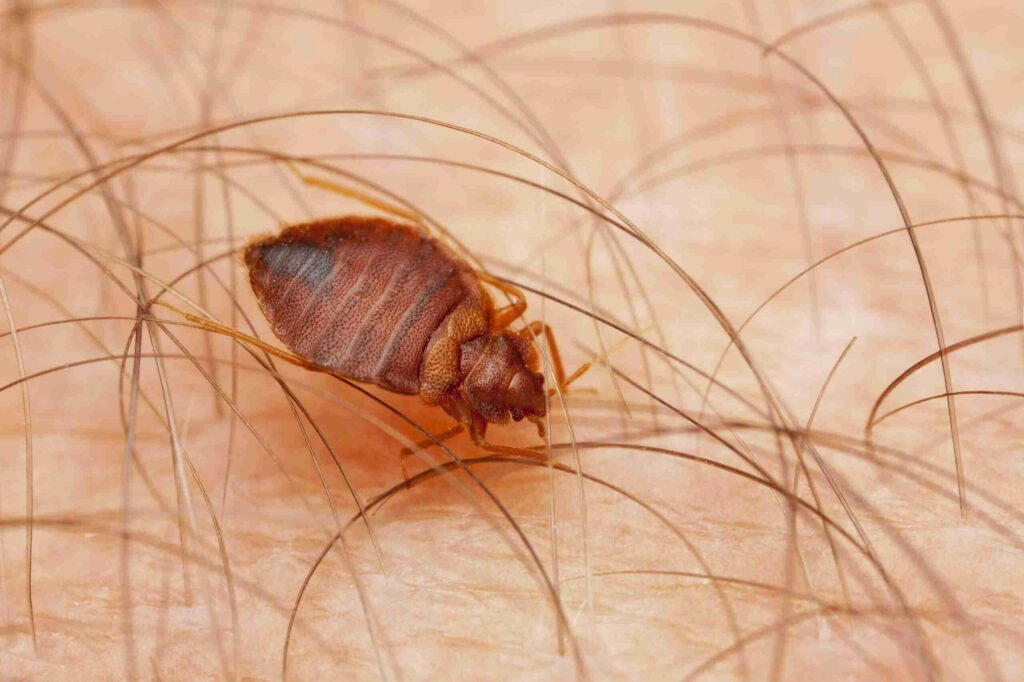
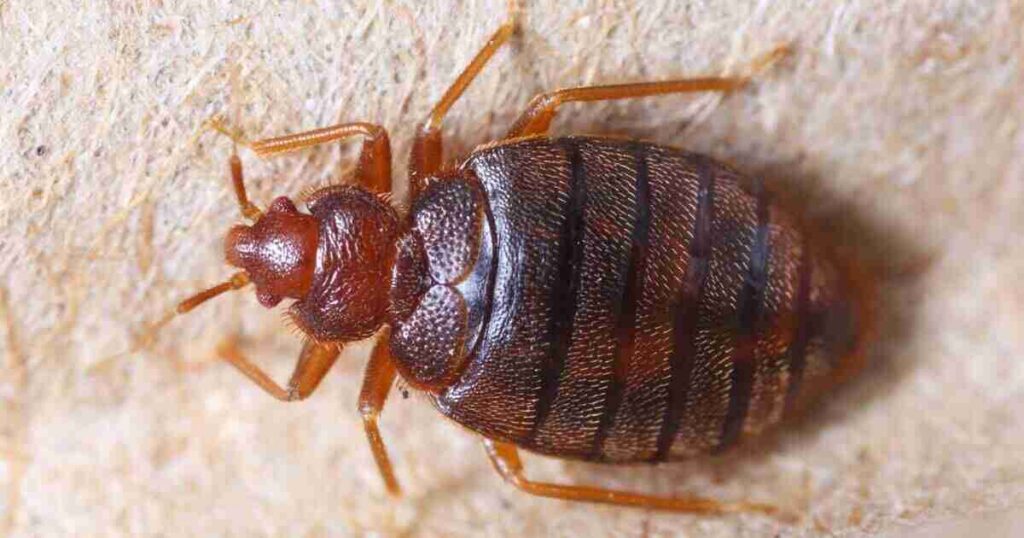
- Live bugs: Flat, apple-seed-sized, reddish-brown insects tucked into seams, folds, and tight crevices. They move slowly compared with flying insects like mosquitoes, and they actively avoid light.
Where to inspect first: a quick room checklist
Work from the sleeping area outward. Start with the mattress seams and tags, then the box spring corners and underside fabric, then the bed frame joints and screw holes. From there, move to the back of the headboard, couch cushion seams, baseboards around the bed, and the junction where the wall meets the floor. Early infestations tend to concentrate close to the sleeping area, so finding evidence in one of those first three spots often means the problem hasn’t spread far yet. Catching it early generally makes treatment faster, less expensive, and more straightforward.
How to tell bed bug bites from mosquito, flea, and other bites
Because bites look similar across several insects and certain skin conditions, location, pattern, and timing are more useful diagnostic tools than appearance alone. The shape of a welt doesn’t tell you much; the story around when and where it appeared tells you a lot more.
Comparing bed bugs to mosquitoes, fleas, and spiders
Each insect leaves a different footprint. Mosquitoes leave random, isolated bumps on exposed skin without any cluster pattern, and the itch hits fast. Fleas concentrate bites on the ankles and lower legs, particularly if there are pets in the home. Spiders typically leave a single, painful, swollen lesion rather than a row of small itchy welts. Bed bugs follow the exposed-skin-during-sleep rule, with bites grouped in lines or clusters on upper body areas, noticed after waking rather than during the day.
When the culprit might be a skin condition, not an insect
Hives (urticaria) look similar to bites but behave differently. They move around, merge into larger patches, and change shape within hours. They don’t follow a bite-point pattern and aren’t tied to a specific location on the body. Contact dermatitis follows the area that touched the irritant: a soap, a plant, a fabric, a cleaning product. It shows up as a rash or patch matching that contact zone, not as a cluster of discrete welts on sleep-exposed skin. If your “bites” are shifting around your body or spreading to areas that were fully covered during sleep, it’s worth ruling out a skin condition before calling an exterminator.
Bed bug symptoms in children and why some people never react
Survey data from infested households tells a counterintuitive story. Up to 42% of elderly residents and around 41% of children ages one to ten show no skin reaction at all, even with a confirmed infestation, figures drawn from studies of occupied infested homes, though sample sizes vary. For parents and adult children caring for elderly family members, this means the physical evidence checklist from the previous section matters far more than any skin symptoms.
What “no reaction” actually means
No visible bites doesn’t mean no bugs. The immune response that produces visible welts often develops only after repeated exposure. During a first infestation, the body may not react at all, even while bugs feed nightly. This is also why infestations in homes with elderly residents or young children can grow to a serious level before anyone notices something is wrong. The physical signs on the mattress and furniture are always more reliable than waiting for someone to break out in welts.
Signs to watch for when bites aren’t obvious
For children, watch for unexplained restless sleep, increased scratching at night, or unusual irritability in the morning without any visible rash. The absence of a rash doesn’t rule out the possibility that something is biting them overnight. For everyone in the household, a single fecal spot on a child’s mattress seam or shed skins along the box spring edge is a stronger indicator than any skin symptom, and it should prompt a full inspection rather than a wait-and-see approach.
First-aid for bed bug bites and when to see a doctor
Most bites are uncomfortable but not dangerous. Standard home care handles them well, and the steps are straightforward. Wash the bites gently with soap and water, apply a cool compress for 10 to 15 minutes, then use an over-the-counter 1% hydrocortisone cream or calamine lotion to calm the itch. An oral antihistamine helps with persistent itching, particularly at night. Avoid scratching: broken skin invites secondary bacterial infections, which are a bigger problem than the original bite.
One thing home care can’t fix is the source. Bites from an active infestation keep returning every two to three days until the bugs are eliminated. Treating the symptoms without addressing the infestation is a cycle that gets worse over time, not better.
Red flags that require a doctor visit
Most bite reactions don’t need medical attention, but a few warning signs do. Seek same-day care if you see spreading redness around a bite, warmth, pus, or signs of infection. A fever following multiple bites warrants a call to your doctor. Allergic reactions require immediate attention: hives spreading beyond the bite site, swelling of the face or throat, or difficulty breathing are emergencies, not a situation to monitor at home overnight. These responses are rare but real, and they don’t improve with hydrocortisone cream.
What to do next if you think you have bed bugs
Pull together what you’ve found. Bites alone aren’t enough to confirm bed bugs, but bites plus fecal spots, or shed skins plus blood stains on your sheets, changes the picture significantly. When two or three indicators show up together, it’s time to act rather than wait for more evidence.
DIY confirmation vs. professional inspection
DIY checks are useful for initial suspicion but easy to get wrong. Early infestations involve very few bugs hiding in spaces tighter than a credit card, and those bugs don’t show themselves readily. A DIY inspection that comes back negative mostly confirms that you didn’t find anything. It doesn’t confirm there’s nothing there. That false sense of security is exactly what allows a small infestation to become a large one over the following weeks.
How Rock Pest Control confirms suspected infestations
For Kansas City metro homeowners, Rock Pest Control’s free 24-hour estimate is the no-risk next step. Our team can confirm whether what you’re seeing adds up to a real infestation, assess how far it’s spread, and walk you through the right treatment options before the problem moves into adjacent rooms or units. For confirmed infestations, our heat treatment is one option that can reach hiding spots in hard-to-access areas, often used alongside other methods depending on the scope of the problem. You don’t need to commit to anything to get a clear answer fast.
Putting it all together
Identifying a bed bug infestation reliably takes three layers of evidence: the bite pattern on your skin, the physical signs on your mattress and furniture, and behavioral changes in household members who may not react to bites at all. No single sign is definitive on its own. But when a line of bites on your forearm matches up with dark specks along your mattress seam and a few translucent shells in the box spring corner, that combination tells a clear story.
Don’t wait for certainty before you act. Bed bug reproduction is fast under favorable conditions; a small problem left unaddressed can grow significantly over just a few months. Treating a handful of bugs is a very different job than treating an established infestation. The earlier you spot bed bug symptoms, the faster and cheaper the solution.
If you’re in the Kansas City area and something about your bedroom isn’t adding up, reach out to Rock Pest Control for a free estimate within 24 hours. Get a straight answer before the problem gets bigger.
Frequently Asked Questions About Bed Bug Symptoms in Kansas City
Common bed bug symptoms include itchy welts in lines or clusters, dark fecal spots, blood stains on sheets, shed skins, and live bed bugs around mattresses or furniture.
Check mattress seams, box springs, bed frames, headboards, and nearby baseboards for dark spots, shed skins, blood stains, or live bugs. Physical evidence is more reliable than bites alone.
Bed bug bites often appear as small, itchy welts grouped in lines or clusters on exposed skin. However, reactions vary by skin tone, and some people develop no visible bites at all.
Consider calling a Kansas City bed bug exterminator when you find multiple signs of an infestation, such as bites combined with fecal spots, shed skins, blood stains, or live bugs.
Yes, but early infestations can be difficult to detect because bed bugs hide in very small cracks and crevices. If you suspect bed bugs but can’t confirm them, a professional bed bug inspection can provide a clearer answer.