
Small roach, big problem
German cockroaches multiply fast, so spotting them early and starting the right service makes all the difference.
Two dark stripes.
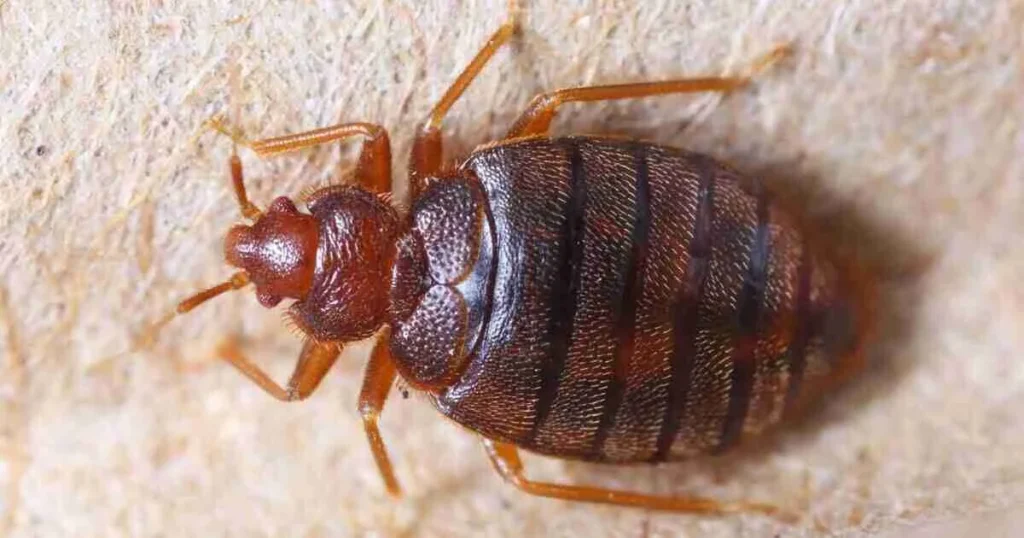
Look for a small tan roach with two dark bars behind its head.
Start strong.
We start roach problems on monthly or bi-monthly service, based on severity.
Free re-service.
Seeing roaches between visits? We come back at no charge on any plan.
German cockroaches are small, light brown roaches with two dark stripes behind the head, and they’re the roach most likely to infest a Kansas City kitchen. They breed fast and hide in warm, damp spots near food. When roaches are the main problem, we start with monthly pest control or bi-monthly service, depending on severity.
Here’s how to spot German cockroaches, where they hide and what it takes to knock them out. Our roach infestation page covers roach service more broadly.
What do German cockroaches look like?
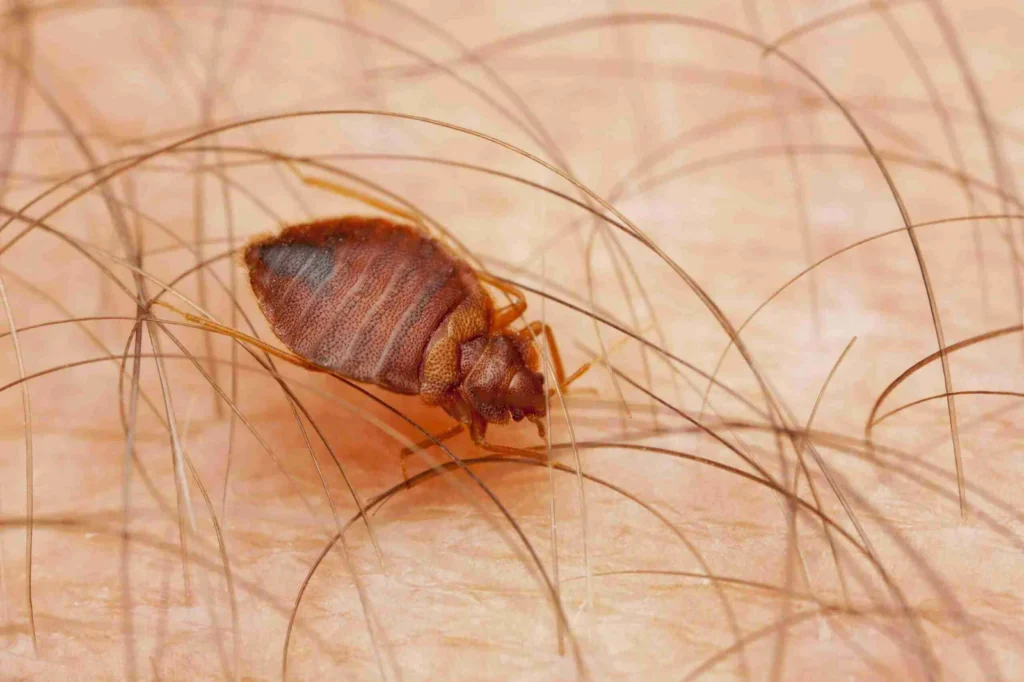
German cockroaches are about 1/2 inch long, tan to light brown, with two dark parallel stripes on the shield behind the head. Adults have wings but rarely fly.
Young roaches, called nymphs, are smaller and darker, with no wings. Females carry a light brown egg case on the tip of the abdomen until it’s ready to hatch. To compare with other species, see our post on the most common cockroaches.
Where do German cockroaches hide?
German cockroaches hide in warm, humid spots close to food and water, mostly in kitchens and bathrooms. They squeeze into tiny cracks during the day.
Check these spots with a flashlight:
- Under sinks and around pipes.
- Behind and under the fridge, stove and dishwasher.
- Inside cabinet hinges and corners.
- Around the microwave, coffee maker and toaster.
What are the signs of German cockroaches?
The clearest signs are small dark droppings that look like pepper, egg cases and roaches running when you flip on a light. Seeing them during the day often means a large population.
You may also notice a musty smell or shed skins in cabinets and drawers.
How do we treat German cockroaches?
We start German cockroach problems on monthly or bi-monthly service, then step down to quarterly once they’re under control. Each visit includes an inspection, treatment matched to your home and an emailed report.
Allow 10 to 14 days for products to work, and expect some activity at first. That’s normal while the treatment takes effect. If roaches keep showing up between visits, re-service is free. Our post on how often roaches and mice need service explains the schedule.
Skip foggers. Our post on whether bug bombs work explains why they tend to scatter roaches deeper into walls.
How can I help get rid of German cockroaches?
Take away food, water and clutter. Wipe counters nightly, store food in sealed containers, fix leaks and take out trash often. Clean or vacuum before each visit so we aren’t treating over dirt.
Saw just one? Here’s what it means if you saw one cockroach. Finding egg cases? See what cockroach eggs look like and how long it takes to get rid of roaches.
Spotted small roaches in your kitchen? Call 913-735-5451, answered 24/7, or schedule online. Most services can be scheduled same day.
Frequently Asked Questions
German cockroaches are about 1/2 inch long and tan with two dark stripes behind the head. Pepper-like droppings, egg cases and roaches in kitchens or bathrooms are the most common signs.
German cockroaches breed faster than most roaches, because each female carries an egg case holding many eggs. A few roaches can turn into a large infestation quickly.
Start with monthly or bi-monthly service, based on how severe the problem is. Once the roaches are under control, step down to quarterly service.
Yes, some roach activity after treatment is normal while products take effect. Allow 10 to 14 days, and call for a free re-service if you still see them.
Bug bombs usually don’t solve German cockroach problems because the fog doesn’t reach the cracks where they hide. They can scatter roaches into new areas instead.