If you’re asking how do I keep my restaurant pest-free in Missouri, the answer starts before a single inspector walks through your door. A failed health inspection in Missouri can temporarily close your restaurant, publish your violations in a public report, and cost you customers who don’t come back. Pest activity is one of the most common triggers for critical violations, and the reputational damage compounds fast. This guide covers what Missouri health inspectors actually look for, which pests threaten Kansas City-area kitchens most, and how to build a Missouri restaurant pest prevention system that holds up year-round. When routine habits alone aren’t enough, many operators bring in a licensed commercial exterminator. The goal here: build the foundation that keeps your kitchen compliant between those visits.
What Missouri Health Code Actually Requires for Pest Control
Missouri Food Code Basics Every Restaurant Owner Must Know
Missouri food service establishments operate under the Missouri Food Code, which is derived from the FDA’s 2009 model food code and enforced by the Department of Health and Senior Services alongside local health agencies. The code is explicit: no evidence of insects or rodents, no gaps or cracks that allow pest entry, screened openings on windows and vents, and no pets on premises. Local jurisdictions can adopt ordinances stricter than state minimums, so operators in Kansas City or St. Louis may face additional requirements on top of the state baseline.
Documentation Inspectors Expect to See On Site
Inspectors don’t just walk the kitchen and look for problems. They want records. You should have preopening approval paperwork, written cleaning SOPs, temperature monitoring logs, and any required local permits ready to produce on request. If a licensed pest control company services your property, treatment logs and service reports need to be on file, including the date of application, the pest targeted, the product’s EPA registration number, and the applicator’s license number. Missouri pesticide rules require those records to be kept for three years. That paper trail is what protects you during a surprise inspection.
The Difference Between a Warning and a Shutdown
Not all pest-related findings carry the same weight. Under Missouri’s tiered inspection system, evidence of active pest activity, live cockroaches in a prep area, rodent droppings near food storage- is classified as a Priority Item and must be corrected immediately. These are critical violations. Maintenance issues like a gap under a door or inadequate housekeeping practices that could allow pests to enter are lower-tier findings, typically non-critical. Active infestation triggers immediate corrective action requirements and can result in closure orders; prevention-related deficiencies usually result in a follow-up reinspection.
The Pests Most Likely to Cost You a Health Inspection
German Cockroaches, Rodents, and Flies: Missouri’s Biggest Restaurant Threats
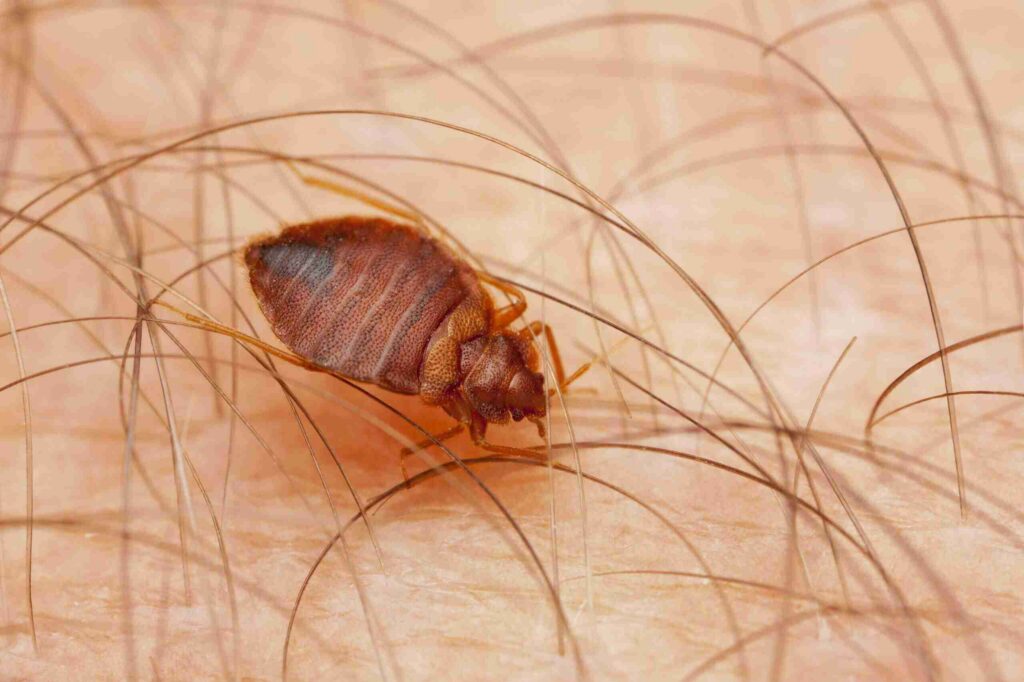
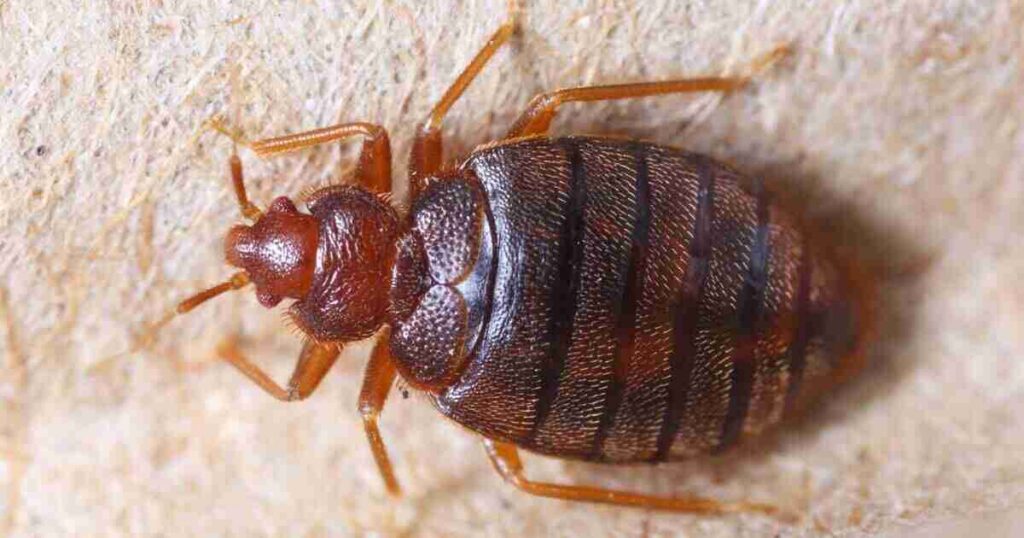
German cockroaches dominate Missouri commercial kitchens. They breed fast, hide in wall voids and under equipment, and are notoriously difficult to eliminate once established. A single female can produce large numbers of offspring quickly, which is why a small problem becomes a large one before most operators notice. Mice are a year-round concern in Missouri but move indoors aggressively when fall temperatures drop, seeking warmth and food through gaps that seem too small to matter. Flies peak in summer around trash areas, outdoor service entries, and floor drains, creating both a contamination risk and a visible nuisance that customers notice immediately.
How Missouri Seasons Change What You Prioritize
Missouri’s pest pressure shifts throughout the year, and your prevention calendar should shift with it. Spring and summer move the focus toward flies, ants, and cockroach breeding cycles, because heat and humidity accelerate reproduction and push outdoor pest populations toward interior food sources. Fall and winter make rodent exclusion urgent: mice and rats start seeking warmth indoors, and any gap in your building envelope becomes an invitation. German cockroaches, however, are a year-round concern in warm, moist kitchen environments and require continuous management regardless of what’s happening outdoors.
Stored-Product Pests: The Infestation Hiding in Plain Sight
Flour, rice, cornmeal, and dry spice stock are common entry points for beetles, weevils, and pantry moths. These pests arrive in shipments and establish themselves quickly in improperly sealed dry storage. You’ll often see fine powder or webbing in corners of bins before you spot the insects themselves. A strict first-in-first-out rotation system is the most effective non-chemical control: older inventory gets used before newer stock, and nothing sits in storage long enough for an infestation to build.
Sealing Your Building Before Pests Get a Chance
Entry Points Missouri Restaurant Owners Consistently Miss
Most restaurant pest problems start outside the kitchen. Loading dock gaps, worn door sweeps, unscreened vents, pipe penetrations through exterior walls, and utility chases that run between floors are all common pest highways. German cockroaches enter through cardboard deliveries, gaps around plumbing, and shared wall voids in multi-tenant buildings. Mice can squeeze through surprisingly small openings; pest-exclusion guidance commonly notes that mice can enter gaps as small as a quarter-inch, while rats need slightly larger openings. A systematic walk of your building’s exterior, including the roofline and foundation, is worth doing at least twice a year and after any renovation work.
Exclusion Materials and Methods That Hold Up in a Commercial Kitchen
Caulk alone isn’t enough for rodent-prone gaps. Foundation cracks require cement or mortar. Pipe penetrations through walls should be sealed with sheet metal or hardware cloth that rodents can’t gnaw through. Dock doors need sweeps with metal contact plates rather than rubber, which rats can chew through over time. The distinction matters: a five-minute foam-spray fix is maintenance; a gnaw-through point at a utility chase is a structural problem that needs a professional to address correctly. The Missouri Food Code requires that no openings allow pest entry, and inspectors commonly cite such openings as violations requiring immediate correction.
Daily Practices That Eliminate the Conditions Pests Need to Survive
The Cleaning Sequence That Cuts Off Food, Water, and Harborage
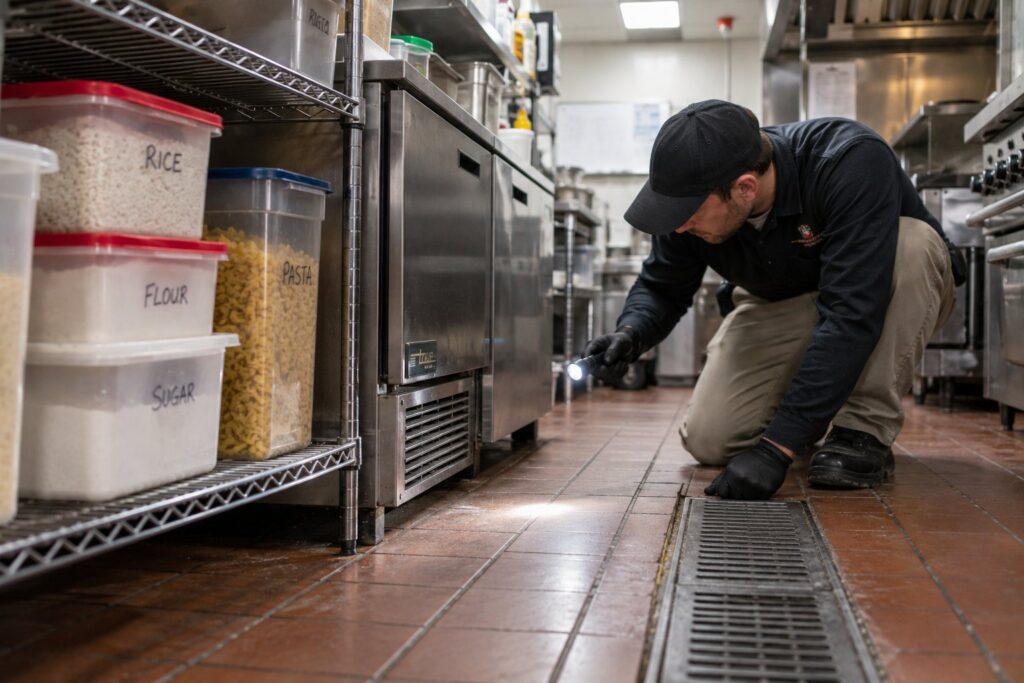
Sanitation removes the three things pests require: food, water, and shelter. The correct commercial kitchen cleaning sequence is to remove debris, wash with detergent, rinse, sanitize with an approved sanitizer at the correct concentration, and air-dry only. Avoid towel-drying food-contact surfaces after sanitizing; it reintroduces contamination and undermines the process. The areas restaurants routinely skip are under and behind equipment, floor drains, grease traps, and the space under prep tables. Those neglected spots are where German cockroaches harbor and where rodents find the food residue that keeps them coming back.
Food Storage Rules That Eliminate Pest Attractants
All dry goods need to be stored at least six inches off the floor in sealed containers with prep and use-by dates labeled. Raw proteins go below ready-to-eat items in cold storage to prevent cross-contamination. Chemicals stay in a completely separate area from food stock. These aren’t optional best practices; they’re Missouri Food Code requirements, and they eliminate the food sources pests depend on. Apply the same first-in-first-out discipline here as in dry storage: it’s your primary non-chemical defense against stored-product infestations.
Waste Management Habits That Keep Pests Outside Where They Belong
Trash that sits overnight indoors is an open invitation. Remove it daily, use tied liners in lidded containers, and clean refuse bins and grease areas on a set schedule. Dumpster placement matters: keep them away from your building’s exterior walls, make sure lids close completely, and clean the area around them regularly. In Missouri summers, dumpster management is especially critical because of the fly pressure it creates near outdoor service areas. Flies don’t need a gap in your building to become a problem; a poorly maintained dumpster 20 feet from your back door is enough.
How Do I Keep My Restaurant Pest-Free in Missouri Year-Round: Monitoring That Works
IPM Monitoring Tools and Where to Place Them in a Restaurant
Integrated pest management (IPM) for restaurants requires consistency more than complexity. The standard toolkit includes glue boards along walls and behind equipment, snap traps near exterior doors and dock areas, pheromone traps in dry storage for stored-product insects, and insect light traps near customer-facing entrances positioned four to six feet high and away from exposed food or food-contact surfaces. Traps go along walls, near pipe penetrations, in drain areas, and in known hot spots identified during your own inspections. The placement logic is straightforward: pests travel along edges and through entry points, so your monitoring tools go where pests move.
Documenting Pest Activity So You’re Always Inspection-Ready
A monitoring program is only useful if it’s recorded. Pest sightings, trap counts, and service dates need to be logged and available on site. A basic pest log tracks what was found, where, and when, so you can spot trends before they become violations. Consistent documentation also protects you during inspections by demonstrating a proactive, systematic program rather than reactive scrambling after a complaint. Licensed pest control companies provide this documentation as part of a commercial service contract, which is one of the practical reasons a professional program pays for itself.
When In-House Prevention Isn’t Enough: Hiring a Licensed Pest Control Company
Signs Your Internal Program Is Failing
There are clear signals that your in-house prevention efforts need professional backup. Recurring cockroach sightings despite regular cleaning, rodent droppings appearing in new locations after exclusion work, or a pest-related violation on a recent inspection report are all signs you need licensed intervention. The right time to call a professional is before the situation becomes a health code crisis, not after the inspector has already documented it. Waiting makes the problem harder and more expensive to resolve.
What a Professional Commercial Pest Control Program Actually Includes
A licensed commercial exterminator doesn’t spray and leave. A real commercial pest control contract includes an initial facility inspection, a customized treatment plan specific to your pest pressure and layout, scheduled recurring service visits, treatment logs formatted for compliance documentation, and callback availability between visits. For Kansas City-area restaurant operators, Rock Pest Control offers discreet, scheduled commercial treatments designed to keep restaurants compliant and pest-free year-round. Their coverage area includes Overland Park, Liberty, and Independence. If you’re managing a food-service property in the area, contact them for a free estimate and discuss their commercial program built specifically for food-service businesses.
How Do I Keep My Restaurant Pest-Free in Missouri, and How Often Should I Schedule Service?
Restaurants generally require more frequent pest monitoring than lower-risk commercial properties because food, moisture, waste, deliveries, and constant activity can attract pests. Regular service helps identify problems early, maintain documentation, and address conditions that could lead to an infestation.
The right service frequency depends on the property, pest pressure, sanitation conditions, and operational needs. A professional pest control provider can assess the restaurant and recommend a schedule that supports ongoing prevention and compliance.
Build the System, Not Just the Habit
Keeping a Missouri restaurant pest-free is a system, not a single action. Health code compliance, proper exclusion, consistent sanitation habits, and a documented monitoring routine are the foundation. When that foundation is solid, professional pest control becomes scheduled maintenance rather than emergency response, and your inspection record reflects it. Every operator who asks how to keep their Missouri restaurant pest-free eventually lands on the same answer: build the system before the inspector forces your hand.
If you’re a Kansas City-area restaurant operator and want a professional assessment of your current pest risk, contact Rock Pest Control for a free estimate. Getting ahead of the problem is always cheaper than fixing it after the inspector has already been through your kitchen.
Missouri Restaurant Pest Prevention: Quick Checklist
- Seal all exterior gaps, pipe penetrations, and dock door sweeps with rodent-resistant materials
- Follow the full commercial cleaning sequence daily: remove, wash, rinse, sanitize, air-dry
- Store all dry goods six inches off the floor in sealed, labeled containers
- Practice first-in, first-out rotation in both dry and cold storage
- Remove trash daily; keep dumpsters lidded and away from building walls
- Place glue boards, snap traps, and pheromone traps at wall edges and entry points
- Log all pest sightings, trap counts, and service visits with dates and locations
- Keep pest control service reports and applicator license numbers on file for three years
- Schedule monthly service, not quarterly, for any food-service account
- Call a licensed commercial pest control company before a violation appears on your inspection report
Frequently Asked Questions About Professional Pest Control
Missouri restaurants operate under the Missouri Food Code, based on the FDA’s 2009 model code and enforced by the Department of Health and Senior Services and local agencies. It requires no evidence of insects or rodents, no gaps or cracks that allow pest entry, screened windows and vents, and no pets on premises. Kansas City and St. Louis can also layer on stricter local ordinances, so it’s worth checking with your local health department too.
Inspectors look for more than a clean kitchen — they want records. Keep preopening approval paperwork, written cleaning SOPs, temperature logs, and any required permits on hand. If you use a licensed pest control company, their treatment logs and service reports (application dates, targeted pest, product EPA registration number, applicator license number) need to be on file, and Missouri pesticide rules require you to retain them for three years.
Pest priorities shift throughout the year. Spring and summer bring more flies, ants, and cockroach breeding activity as heat and humidity accelerate reproduction. Fall and winter make rodent exclusion the priority, since mice and rats push indoors seeking warmth through any gap in the building. German cockroaches are the exception — they’re a year-round concern in warm, moist kitchen environments no matter the season.
Most problems start outside the kitchen: loading dock gaps, worn door sweeps, unscreened vents, pipe penetrations through exterior walls, and utility chases between floors. Cockroaches often ride in on cardboard deliveries or through shared wall voids in multi-tenant buildings, and mice can squeeze through openings as small as a quarter-inch. A full exterior walk-through — including the roofline and foundation — at least twice a year (and after any renovation) helps catch these before pests do.
Restaurants generally need more frequent service than lower-risk commercial properties, since food, moisture, waste, and constant activity all attract pests. The right cadence depends on the specific property, pest pressure, and sanitation conditions — but for food-service accounts, monthly service is recommended over quarterly, since it catches problems early and keeps documentation current for inspections.