When should I call a professional pest control company? Most homeowners ask that question only after they’ve already spent too much time and money on solutions that didn’t work. Trying DIY first is the right move in plenty of situations. A few ants near the sink after a rainy week, a single spider in the bathroom, a moth in the pantry, none of these require a professional. A basic cleanup and some targeted prevention usually handles them just fine.
But there’s a point where buying another trap or spraying another can from the hardware store stops making sense. The pest keeps coming back. The treatment works for a few weeks, then doesn’t. And the longer you wait, the more expensive the fix becomes. Most homeowners miss that line because it isn’t obvious from the outside.
This guide lays out nine specific signs that tell you the situation has moved past DIY territory. Use it to size up your situation honestly. If you’re in the Kansas City area and you recognize any of these, Rock Pest Control provides free estimates within 24 hours. The cost of finding out what you’re dealing with is zero.
When should I call a professional pest control company: the honest cutoff point
1. The problem keeps returning despite treatment
A recurring infestation is not a signal to buy better traps. It means the source hasn’t been found or addressed. Colony nests, hidden entry points, and eggs left behind are the usual culprits when a problem disappears for two weeks and then shows back up again. One treatment that works temporarily and then fails is a pattern, not bad luck.
According to pest industry data, roughly two-thirds of homeowners who try DIY pest control can’t fully resolve the problem and end up needing professional follow-up anyway. Waiting longer only raises the treatment cost and the damage risk.
2. You can’t find where they’re getting in
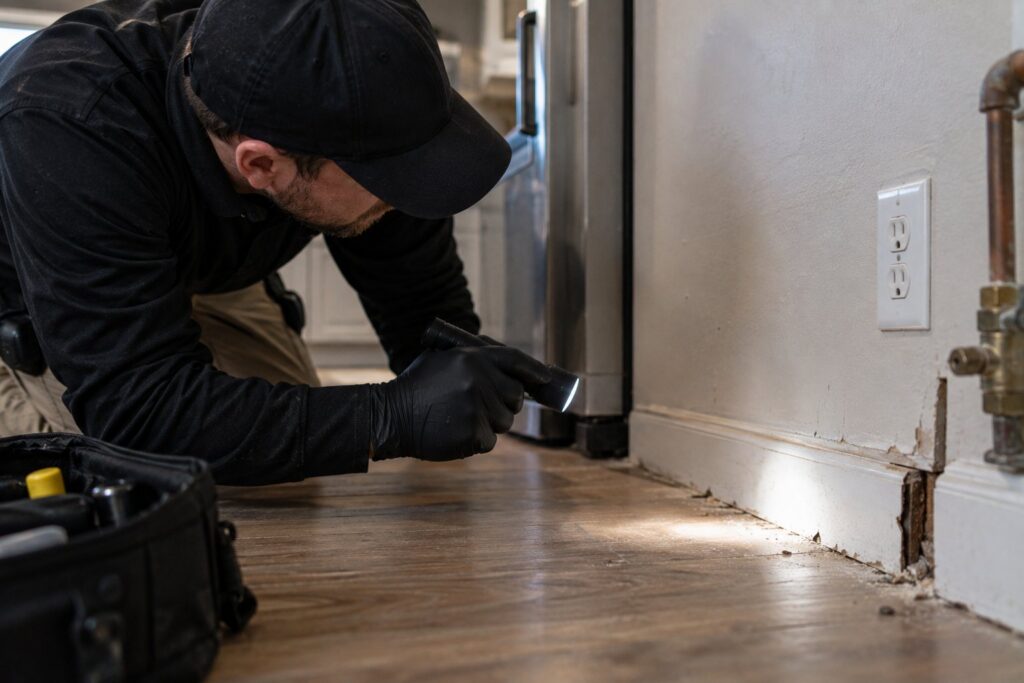
If you’ve cleaned, sprayed, and set traps but still see activity, the entry point is somewhere you can’t easily reach on your own. Professionals inspect behind walls, inside crawlspaces, and along the full foundation perimeter. Homeowners rarely get that far, which means the door stays open and the infestation stays active.
3. You’re not sure what pest you’re dealing with
Correct pest identification is the starting point for any effective treatment. Treating carpenter ants like regular ants is a common mistake that sends you in the wrong direction entirely. Different species require different products, different placement strategies, and different follow-up timelines. When you’re not certain what you’re dealing with, guessing is expensive.
Pest-specific warning signs that say call now
4. Rodents chewing wires, pipes, or structural wood
Gnaw marks on electrical wiring are a fire hazard, full stop. If you see greasy rub marks along baseboards, hear scratching in walls at night, or find shredded nesting material in your attic, the infestation is already established. Snap traps might catch a few mice, but they won’t seal the entry points those rodents used to get in, and more will follow.
Rodent infestations spread fast. A single female mouse can produce multiple litters per year, and young mice start reproducing in as little as five to eight weeks. A small problem in one room can become a multi-room infestation within two to three months if nothing is done.
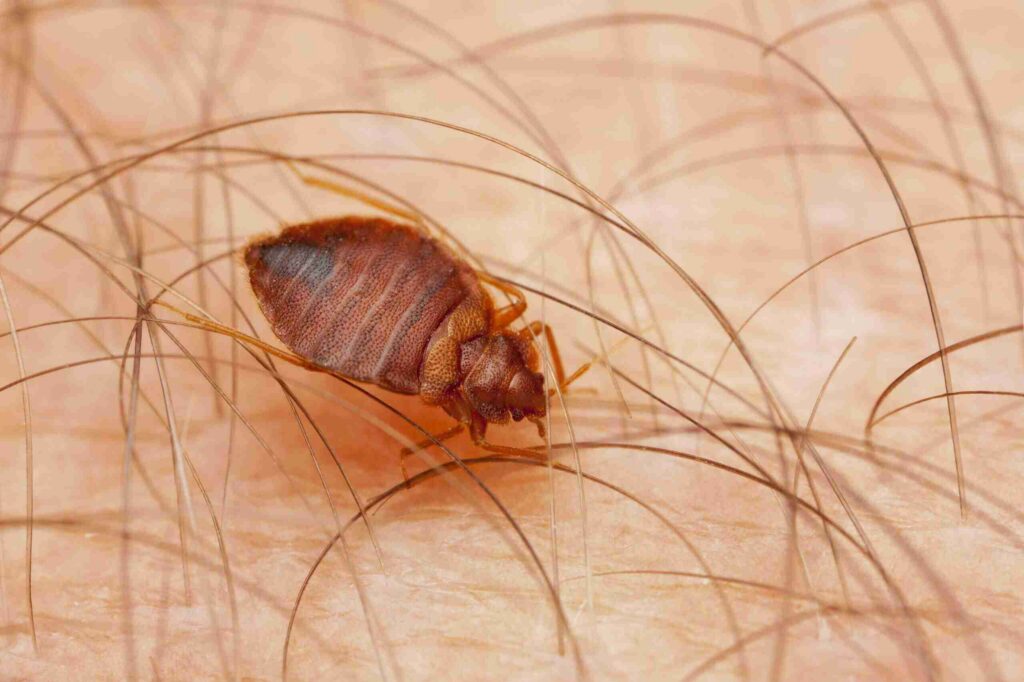
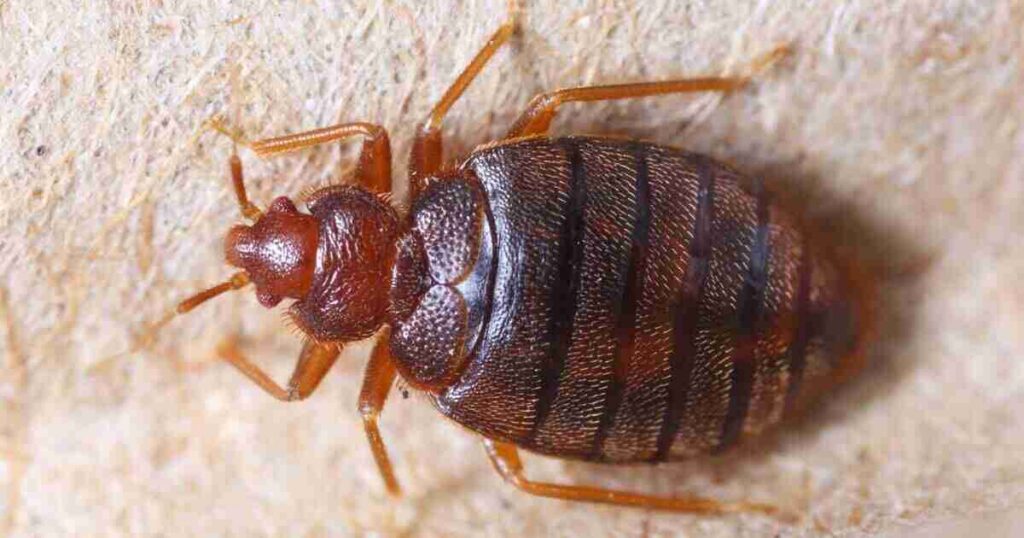
5. Bed bugs spreading beyond the original room
A single mattress with early signs can sometimes be managed with careful, targeted effort. But once bed bugs move into furniture, outlets, and baseboards across multiple rooms, the window for easy treatment has closed. Heat treatment from a professional is the realistic option at that point. DIY sprays and mattress encasements rarely reach the hiding spots where bed bugs lay eggs and shelter between feedings.
Bed bugs can spread from one room to an adjacent room within days under the right conditions. In apartments and multi-unit buildings, cross-unit spread can begin within two weeks of an established infestation. The longer you wait, the more rooms and units get pulled in.
6. Termite indicators that show up anywhere in the home
Mud tubes along your foundation, discarded wings near windowsills, hollow-sounding wood when you knock, or bubbling paint are all serious warning signs. Termites can work silently for months, sometimes years, before any visible damage appears on the surface. When you see these signs, call immediately. Termite damage doesn’t reverse itself, and treatment costs rise directly with the extent of structural damage.
Health and structural risks that change the urgency
7. Pests that put your household’s health at risk
Cockroaches are not just a nuisance. Their droppings, shed skins, and saliva are documented asthma and allergy triggers, especially for children. A study published in the Journal of Allergy and Clinical Immunology found that children sensitized to cockroach allergen and exposed to high levels at home are hospitalized for asthma at rates about 3.4 times higher than those with low exposure. Seeing cockroaches during the day, rather than just at night, means the colony is large enough that individuals are being crowded out of hiding.
Rodents create a separate set of health problems. Their urine and droppings can carry hantavirus and salmonella, both of which contaminate kitchen surfaces and food storage areas quickly. Any regular sighting near food prep areas is a health concern that goes well beyond inconvenience. That warrants a professional inspection, not another round of trap-setting.
8. Structural damage that gets worse the longer you wait
Termites are the clearest example of a pest where delay is the costliest decision. They can weaken load-bearing wood for years with no visible surface damage until the problem is severe. Carpenter ants excavate wood to build nests and can quietly hollow out wall framing over an extended period. Rodents chewing through insulation and wiring create fire and moisture risks that compound the longer the infestation continues unchecked.
Pest damage rarely stops on its own. Waiting a season to see how things develop almost always results in a bigger repair bill, not a resolved problem. The structural repairs that follow a major termite or rodent infestation can cost several times more than early professional treatment would have.
When should I call a professional pest control company: signs the infestation is bigger than it looks
9. What you see on the surface is rarely all there is
A cockroach visible during the day is almost always a sign of overcrowding in the hidden population. Cockroaches are nocturnal by nature; when they’re moving around in the light, the colony behind the walls has grown too large for everyone to stay hidden. The same logic applies to rodents. One mouse spotted in the kitchen rarely means one mouse in the house.
Seeing multiple pest types active at the same time points to a more serious underlying problem. Ants, cockroaches, and rodents showing up at once usually means sanitation issues or structural entry points are widespread throughout the property. Multiple concurrent infestations require a customized treatment plan for the whole property, not individual fixes for one pest at a time. This is well beyond typical DIY scope, and it’s exactly the kind of situation where a professional inspection reveals problems you didn’t know you had.
What to verify before you hire a pest control company
License, certification, and insurance are non-negotiable
Every pest control company operating legally in the U.S. should carry a current state pest-control license and have at least one certified applicator on staff. In Missouri, you can verify a company’s credentials through the Missouri Department of Agriculture’s MOPlants pesticide licensing search. Ask specifically whether the person doing the treatment is licensed for the type of pest being handled, because termite and fumigation work often require separate certifications beyond a general pest license.
Always ask for proof of general liability insurance and, if applicable, workers’ compensation coverage. If a company hesitates to hand over a license number or an insurance certificate, treat that as a warning sign and contact the state regulator before moving forward. The documents should show the business name, active dates, and coverage that matches the service being performed.
Written guarantees matter more than verbal promises
Get the warranty in writing before any treatment starts. Check what it actually covers: re-treatment at no charge, a clearly defined time window, and the specific conditions that can void the guarantee. A company confident in its work will put this in writing without being asked. Rock Pest Control backs every treatment with a satisfaction guarantee and schedules free estimates within 24 hours, so you know exactly what you’re getting into before any money changes hands.
Stop guessing and make the call
Most pest problems don’t start as emergencies. They become emergencies because early signs get ignored or the wrong solution gets applied too many times in a row. The nine signs covered here aren’t meant to alarm you. They’re a practical framework for deciding when you should I call a professional pest control company, specifically, when your situation has moved past what a store-bought spray can handle.
If you’re in the Kansas City area and you’re seeing any of these signs, Rock Pest Control offers same-day scheduling and free estimates. No commitment, no pressure. A licensed professional inspection gives you real information to work with, whether that turns into a full treatment or simply a clearer picture of what’s actually going on. That’s worth far more than another round of trial and error.
Frequently Asked Questions About Professional Pest Control
Call a professional when pests keep returning after DIY treatment, you can’t find the source, or you notice signs of a larger infestation such as droppings, property damage, or activity in multiple areas.
Bed bugs spreading between rooms, termite activity, established cockroach infestations, and rodents causing structural damage are strong signs that professional treatment may be necessary.
Recurring sightings, daytime cockroach activity, pests appearing in multiple rooms, new droppings, gnaw marks, or increasing structural damage can indicate that the infestation is growing.
Look for proper licensing, certification, insurance, clear treatment recommendations, and a written guarantee. Missouri homeowners can also verify pest control credentials through the state’s pesticide licensing system.
Yes. If pests continue returning despite repeated DIY treatments, the source may be hidden or the infestation may be more extensive than it appears. A professional inspection can identify the pest, entry points, and appropriate treatment.