Picture this: a health inspector walks through your front door at 10:45 a.m. on a Tuesday, before your lunch prep is even finished. Your manager starts searching for the pest-control service log, checks the back office, texts the owner, and comes up empty. The inspector writes it down. That single gap becomes the violation: not the kitchen, not the food, just a missing folder, and it lands on your record. Staying ahead of these situations is exactly what health code pest compliance is designed to address.
Pest-related documentation citations are common nationwide, and they aren’t always tied to an active infestation. In many jurisdictions, missing or incomplete records are just as likely to generate a citation as a live pest finding. Commercial operators from Kansas City to the coasts have learned the hard way that waiting for a violation notice is the most expensive pest-control strategy there is. Building a compliant program isn’t complicated once you know exactly what inspectors are checking and what paperwork backs it all up.
This guide covers what inspectors look for on-site, which records they’ll ask to see, what violations carry the steepest penalties, and how to build a year-round pest management plan that holds up under scrutiny.
Health code pest compliance: what inspectors actually look for
Signs of active pest activity on the premises
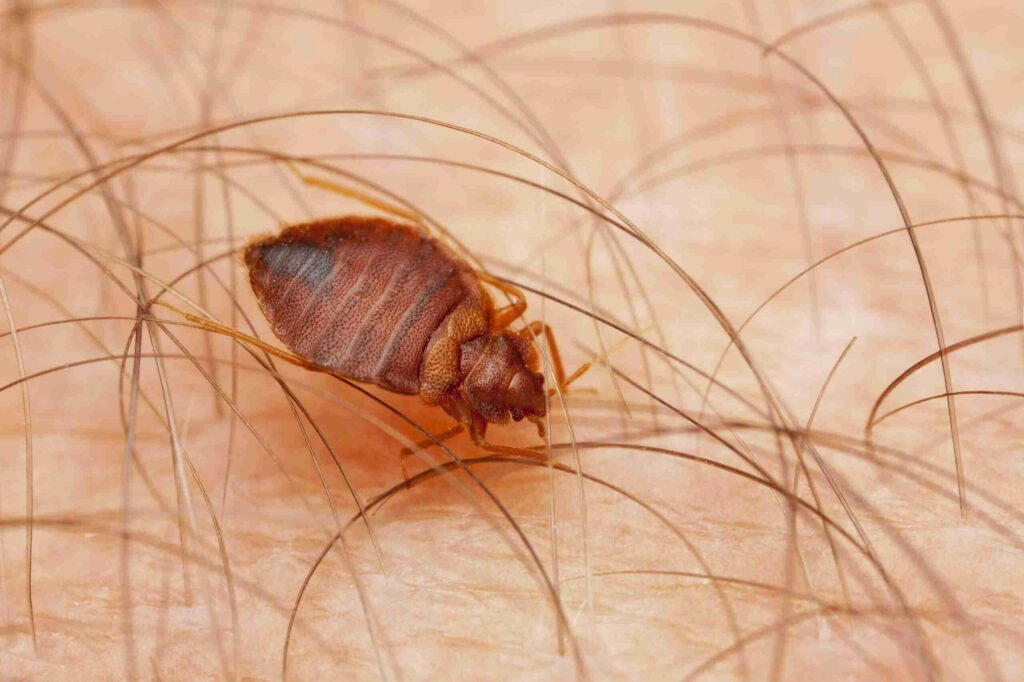
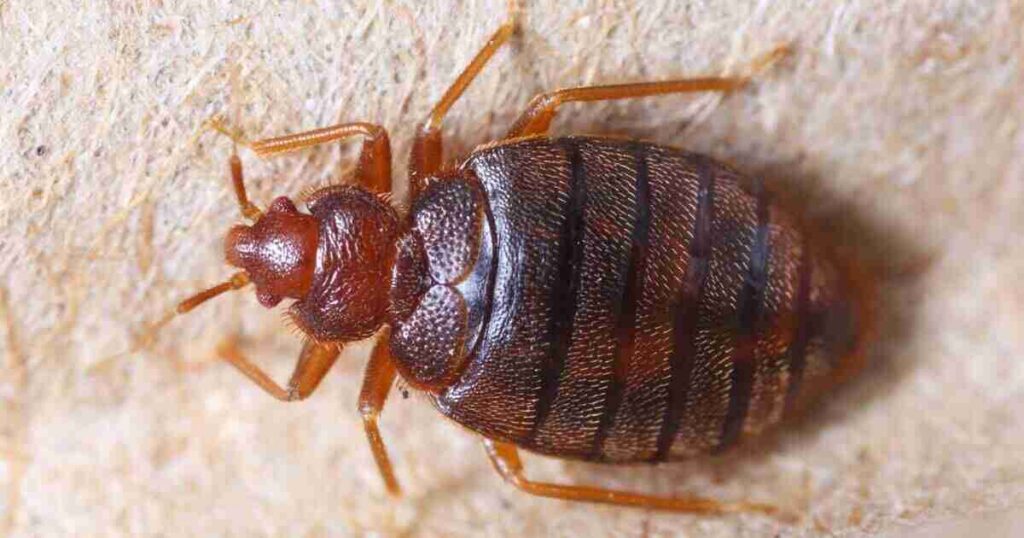
Before an inspector asks for a single document, they’re walking the floor with their eyes open. They’re looking for rodent droppings, gnaw marks, cockroach casings, live insects near prep areas, and fly concentrations near refuse. Storage areas, underneath equipment, inside lower cabinets, and along wall-floor junctions are all high on the scan list. A single live rodent sighting near a food-contact zone can trigger immediate corrective action or temporary closure, with no warning period, in jurisdictions that treat it as an immediate public-health hazard.
The inspector’s job is to document what they can observe and verify. Anything visible is citeable, and that standard applies equally to a walk-in cooler and a dining room trash station. Inspectors document observable evidence and move quickly to enforcement when the risk level warrants it.
Structural entry points and harborage conditions
Inspectors go beyond live pest evidence to assess conditions that invite pests in. Gaps under exterior doors, holes around utility pipes, torn window screens, and unsealed wall penetrations all qualify as harborage or entry-point violations. Cluttered dry storage, standing water under equipment, and improperly sealed garbage containers make the same list. Structural findings often carry as much weight as an active infestation because they indicate a systemic failure rather than a one-time event. Health departments in many jurisdictions treat repeated harborage violations as evidence of an insufficient pest-control program that doesn’t meet regulatory standards.
Pesticide placement and device compliance
The FDA Model Food Code provides model provisions that many states adopt or adapt, including specific rules for how pest-control devices and products must be used inside food facilities. Insect light traps cannot be positioned over food preparation surfaces where a falling insect could contact exposed food. Rodent bait must be housed in covered, tamper-resistant bait stations, not placed openly on a floor or shelf. Restricted-use pesticides must be applied only by a certified applicator or someone under direct supervision of one. An inspector who finds open bait or improperly placed traps has a citable violation, regardless of how clean everything else looks.
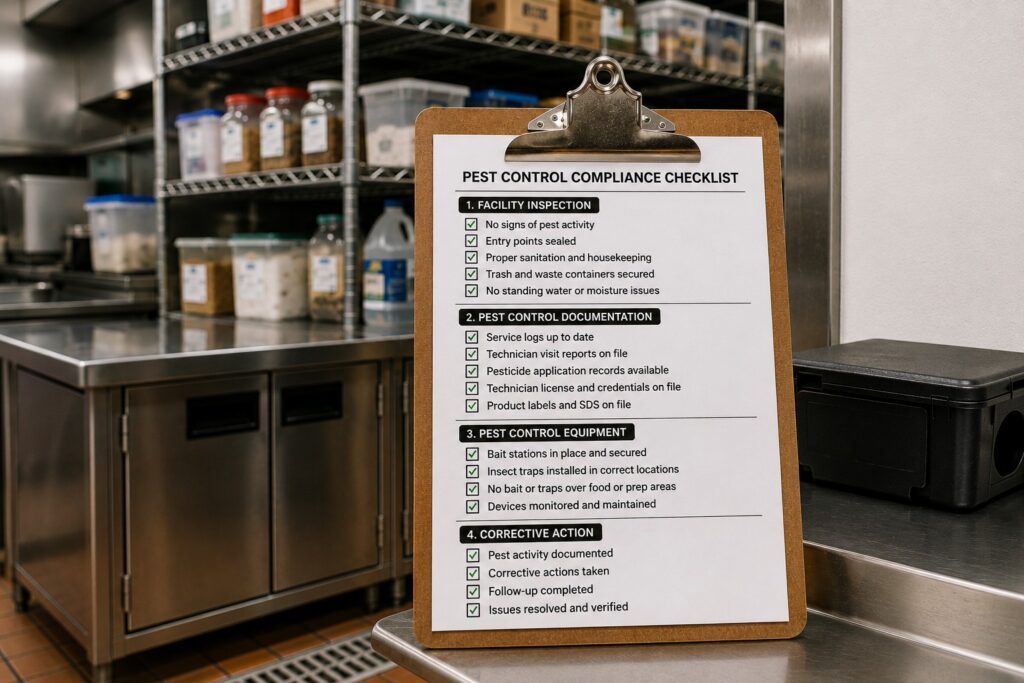
Health code pest compliance documentation checklist
Service logs and visit reports
The service log is the first document an inspector asks for when they’re reviewing your pest-control program. A complete log entry includes the date and time of each technician visit, areas inspected and treated, pest activity observed, products applied with EPA registration numbers, and any recommendations made. Maine, for example, requires all site visit reports from the previous six months to be on file and immediately available. Many other states and local jurisdictions expect inspectors to ask for recent service history when evaluating whether pest management is an ongoing practice or a reactive scramble, even when a formal lookback period isn’t codified in writing.
Pesticide application records and technician credentials
Service logs confirm that someone visited. Pesticide application records confirm that whoever applied chemicals was authorized to do so. Keep your pest-control provider’s certified applicator license on file alongside product labels and Safety Data Sheets for every product used on-site. In Missouri, commercial pest applicators must hold a Certified Commercial Applicator license from the Missouri Department of Agriculture, with certification in the relevant structural pest-control category. Kansas has a parallel commercial applicator certification requirement administered through the Kansas Department of Agriculture. If you can’t produce these credentials during an inspection, a technically clean kitchen can still earn a documentation violation.
Corrective action paperwork
When pest activity turns up between scheduled treatments, your record should show exactly what happened next. Corrective action documentation tracks the sanitation steps taken, structural repairs completed, and any additional treatments performed after a finding. Inspectors use this paper trail to evaluate whether your facility treats pest control as a managed program or a reactive emergency. Facilities with clean corrective action histories consistently fare better during reinspections, and those records are often what separates a warning from a fine when the same issue appears twice.
Violations that lead to fines and emergency closures
Rodent and cockroach citations
These two categories generate the most serious enforcement actions across a wide range of state health codes. Rodent evidence, droppings, gnaw marks, nesting material, and live sightings, along with cockroach activity in food prep or storage areas, are high-priority findings that carry heavy consequences. In New York City’s scoring system, rodent and roach violations carry the highest point values; a restaurant accumulating 28 or more inspection points faces closure, and a rodent-related penalty alone can start at $300 and escalate to $2,000 for repeat violations within 24 months. In Los Angeles County, a confirmed vermin infestation triggers immediate permit suspension and a minimum 48-hour closure, with no grace period.
Harborage and sanitation failures
Structural gaps, improper trash storage, clutter in storage areas, and standing water are repeat offenders on inspection reports. These aren’t cited because inspectors are being nitpicky; they represent conditions that make future infestations far more likely. When the same harborage conditions appear on consecutive inspections, many jurisdictions treat that pattern as evidence of an inadequate pest management program. That classification opens the door to escalating fines and mandatory reinspection schedules rather than a single corrective notice.
Missing or incomplete pest-control records
A restaurant with no active infestation but no documented pest management program is still a violation waiting to happen. In jurisdictions that require a written Integrated Pest Management (IPM) plan, the absence of one is a standalone citation. Inspectors operating under risk-based frameworks treat poor recordkeeping as a reliability issue: if a facility can’t demonstrate it’s been monitoring for pests consistently, there’s no evidence it would catch a problem before it becomes a crisis. California’s Retail Food Code is one of the more explicit examples, requiring formal IPM plans and risk-mitigation documentation for certain open-front restaurant configurations.
Building a proactive pest management plan
Setting a treatment frequency that satisfies inspectors
Monthly professional service is the baseline frequency that many health departments reference when evaluating restaurant pest control requirements. Facilities with an active pest history, proximity to food distribution infrastructure, or older building construction are considered higher-risk and often require bi-weekly or weekly service until pressure is resolved. Monthly visits create a consistent paper trail and give your provider enough touchpoints to catch early activity before it escalates into a documented infestation on an inspection report.
Structural exclusion and sanitation protocols
A pest management plan is more than a service schedule. It includes written protocols for your own staff: door sweep inspections, proper dry storage stacking (items off the floor, away from walls), grease trap cleaning frequency, and refuse container management. California’s Retail Food Code explicitly requires food facilities to prevent pest entry through structural exclusion, not just respond after entry occurs. Incorporating exclusion checkpoints into daily opening and closing routines adds a prevention layer that documentation alone can’t replace.
Employee responsibilities and internal reporting
Your staff are your earliest pest-detection system, and treating them that way changes the whole dynamic of your compliance program. Train employees to recognize pest signs: droppings, grease trails, damaged packaging, and pest odors. Set up a defined internal reporting process so findings get documented immediately, even when no professional treatment follows. That paper trail shows inspectors a culture of active monitoring, which matters most during a reinspection after a prior violation.
When a licensed commercial exterminator becomes non-negotiable
What inspection-ready pest-control service looks like
Not all pest-control providers are built for commercial compliance work. An inspection-ready provider shows up on a consistent schedule, delivers detailed service reports after every visit, keeps pesticide application records organized and accessible, and flags structural vulnerabilities in writing. Some facilities, particularly open-front restaurants in California and multi-unit food service operations, are required to have a formal written IPM plan on file. Look for providers who offer IPM plan development and maintenance as part of their standard service agreement rather than as an optional add-on.
Choosing a certified provider for your food facility
Before signing any service agreement, ask three questions. Is the applicator certified for commercial food-facility work in your state? Will they provide all the documentation an inspector might request, organized and immediately accessible? And do they offer a defined service schedule with written corrective action follow-up? For Kansas City-area operators, Rock Pest Control provides customized commercial treatment plans with documented service records and structured corrective-action follow-up, exactly the kind of program organization that compliance-focused inspectors want to see. Their team is available for a fast response when a finding needs prompt attention.
Pre-inspection checklist for restaurant managers
Interior and documentation walkthrough
Run through this list before every scheduled or unannounced inspection. On the physical side, verify the following:
- No visible pest evidence in storage, prep, or service areas
- All insect light traps are positioned away from food contact zones
- Rodent bait stations are covered and tamper-resistant
- No structural gaps exist at doors, windows, or utility penetrations
- Dry storage is organized off the floor with no clutter or standing moisture
On the documentation side, verify these items are available and complete:
- Last six months of pest-control service logs
- Pesticide application records and SDS sheets for all products used on-site
- Certified applicator credentials from your pest-control provider
- Corrective action notes for any pest activity found between scheduled treatments
- Written IPM plan if required by your state or local jurisdiction
Running this checklist quarterly, not just before inspections, turns compliance from a scramble into a standard operating procedure. The facilities that consistently pass inspections aren’t necessarily the cleanest; they’re the most organized, and they can prove it on the spot.
Keeping your program inspection-ready all year
Health code pest compliance isn’t a box you check once a year before a scheduled inspection. It’s a documented, structured program that runs in the background of every operating day. Inspectors come looking for evidence, both physical and on paper, that you take food safety pest prevention seriously as an ongoing practice. Target a minimum three-year retention window for pest-control records, which aligns with the strictest state frameworks, such as California’s pesticide record requirements, and gives you a complete history if a violation ever needs to be contested. Note that retention requirements vary by jurisdiction, so confirm the specific rules that apply to your location.
If your current setup couldn’t survive a surprise inspection tomorrow, the fix isn’t complicated. Schedule consistent professional service, keep your documentation organized and accessible, train your team to report findings immediately, and close the structural gaps before an inspector gets to them first. Those four steps cover the vast majority of what inspectors are looking for, and they’re the foundation of every restaurant that earns a clean report without breaking a sweat.
For Kansas City-area food service operators who want to get their commercial pest program in order, Rock Pest Control offers customized treatment plans built around your facility’s specific risk profile. Reach out before the inspector does; following these steps will keep your restaurant aligned with health code pest compliance year-round.