


You’ll know what we’re doing and why. We keep communication simple, so you’re not guessing what’s happening or what comes next.
Where Rodents Get In
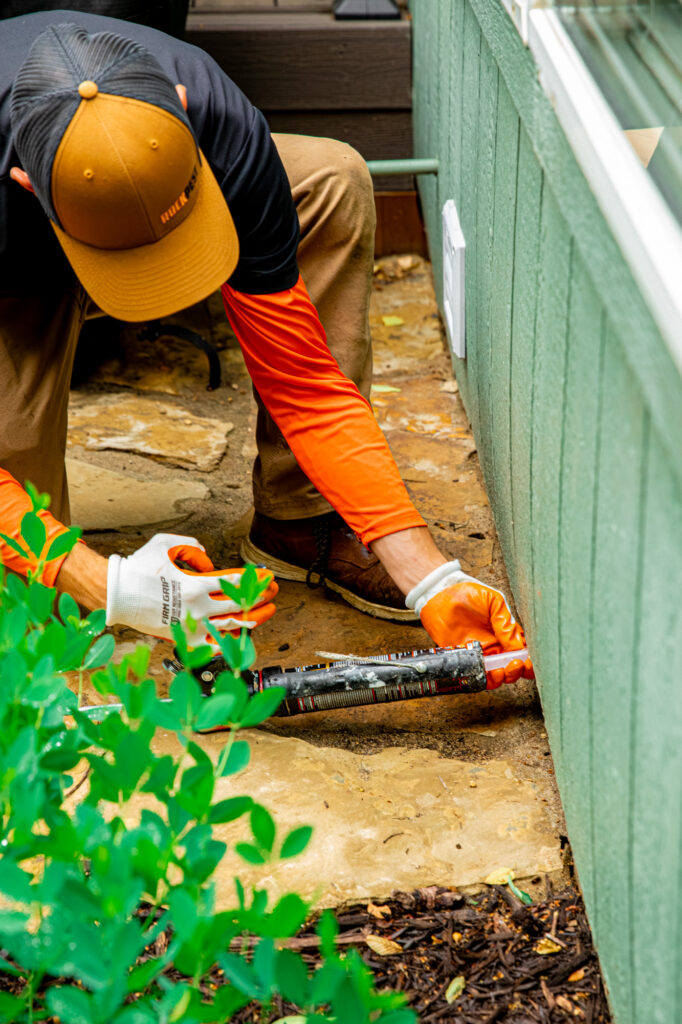
It’s not always a major infestation. Most rodent problems start with a small opening and a steady path inside. Once that path is there, the activity tends to repeat until it’s found and handled. At Rock Pest Control, we focus on finding that path and stopping the activity at its source.
Signs You May Have Rodents
Fresh Droppings
Rodent droppings often show up along walls, under cabinets, or near storage areas. If you clean them up and find new ones the next day—on the floor, along walls, or even on counters—that usually means the activity is still current.
Chewed Boxes or Items
Mice and rats chew through stored items and food packaging as they search for shelter and food. This often shows up first in pantries, basements, and storage spaces.
Grease Marks at Openings
In heavy infestations, rodents can leave dark grease marks where they keep squeezing through the same small gap. These marks often show up near walls, holes, and tight entry points.
Activity in Hidden Areas
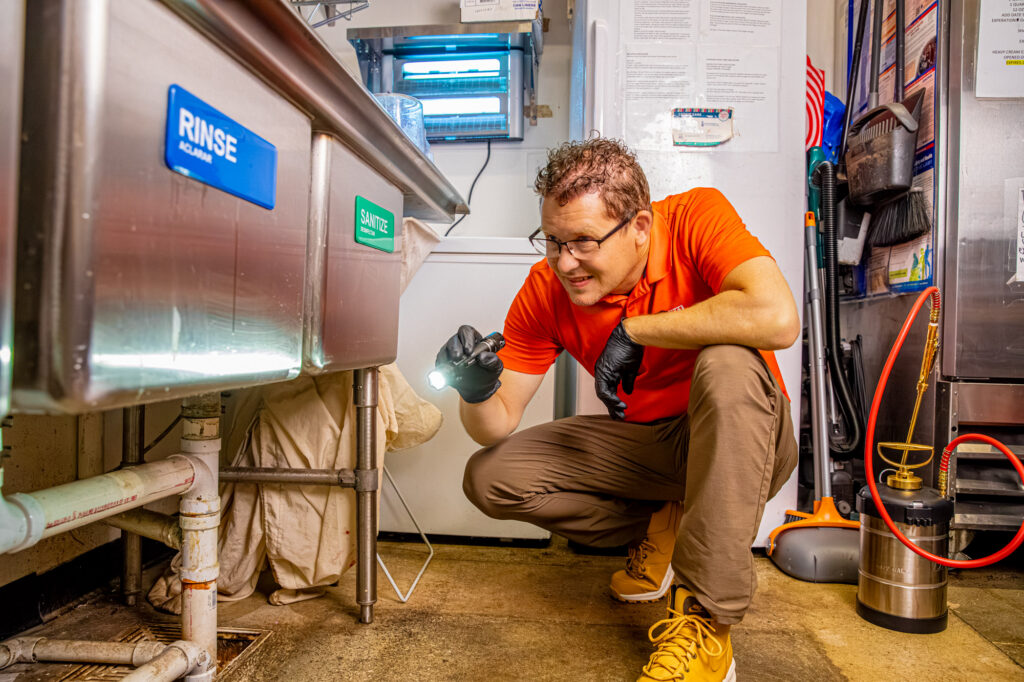
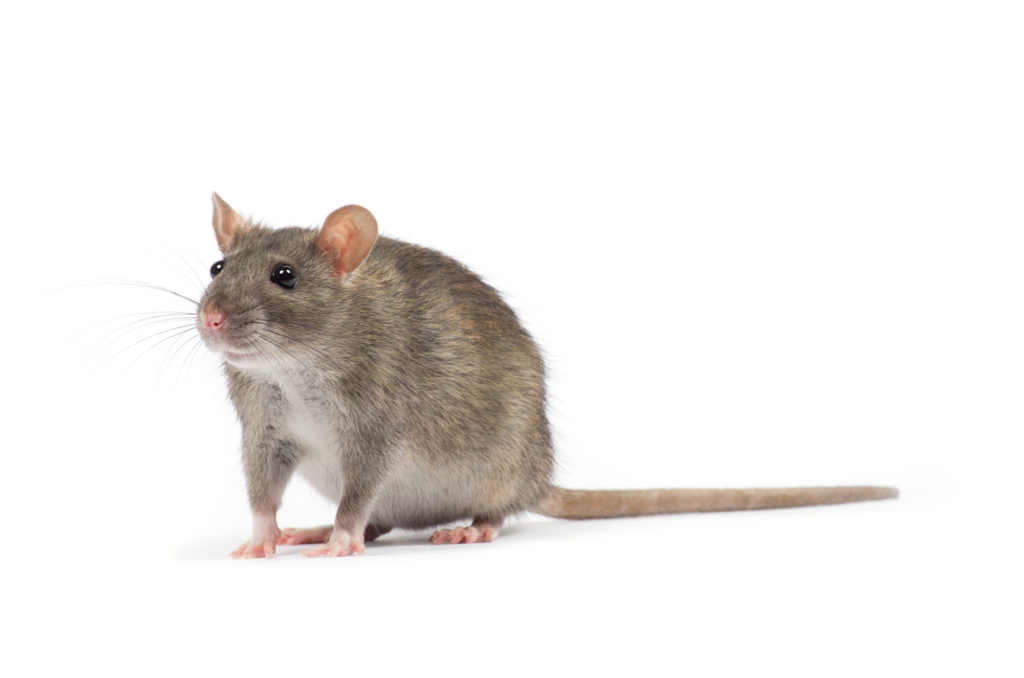
Kitchens, basements, and storage areas are common trouble spots. Rodents stay close to walls for cover, which is why activity often shows up behind appliances or around clutter.

Why Rodents Keep Coming Back
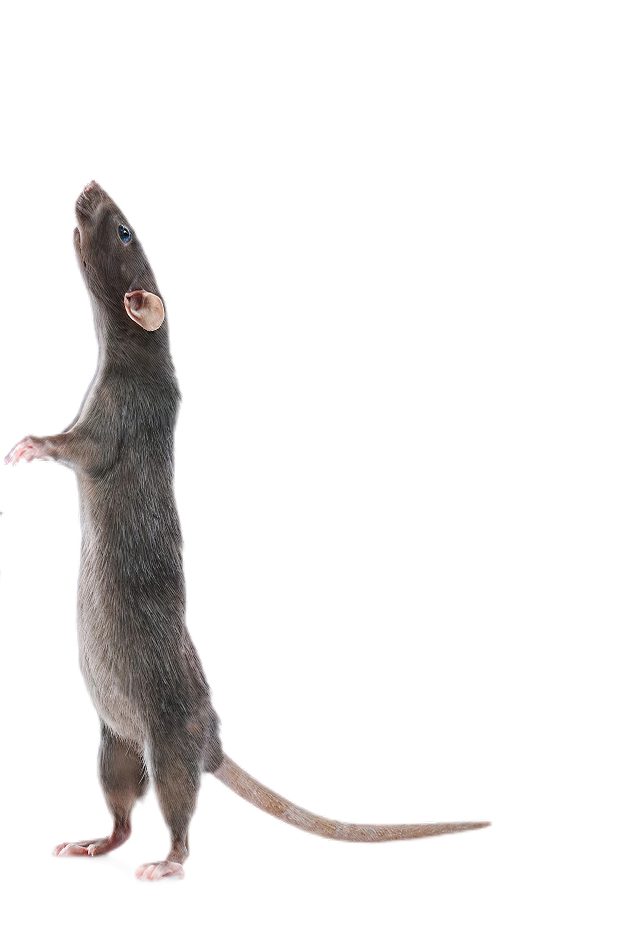
Rodents don’t wander randomly. Once they find a way in, they keep using the same routes and re-enter through the same openings. Without finding where they’re getting in and reducing the pressure outside, the activity doesn’t stop—it just keeps showing up.
Get Your Pest
Control Plan
Fast, easy, and no-hassle service. Get reliable pest control in Kansas City from a team that shows up for you.
How We Handle Rodents
Treatment Solutions for Rodents
Exterior Bait Stations
We place bait stations around the outside of the home where rodents like go, especially near garage doors, utility lines, and foundation gaps. This helps reduce activity before mice or rats make their way inside.
Snap Traps & Glue Boards
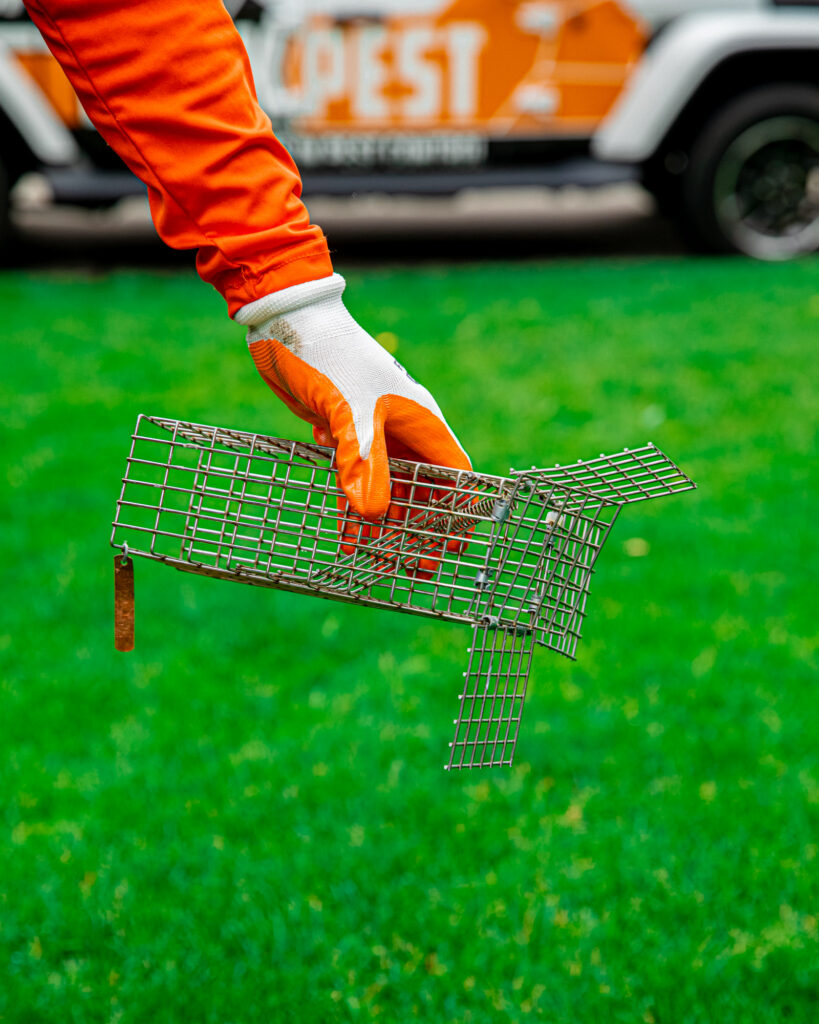
When activity like droppings along walls or under cabinets shows up indoors, we use traps in those same paths to catch the rodents that have already made it inside.
Interior Stations & Sealing
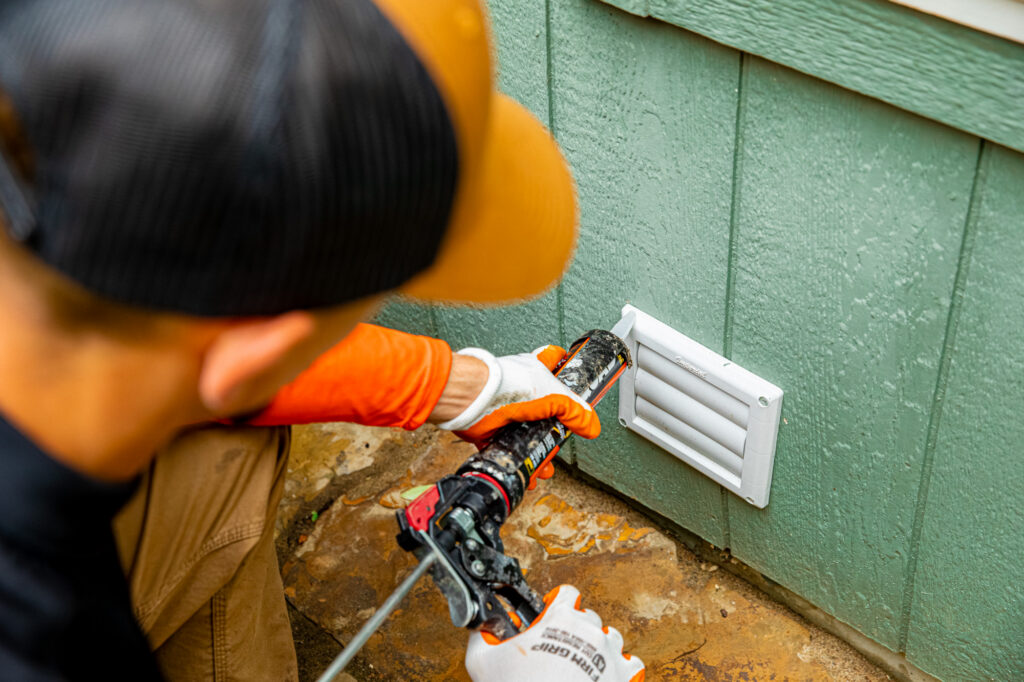
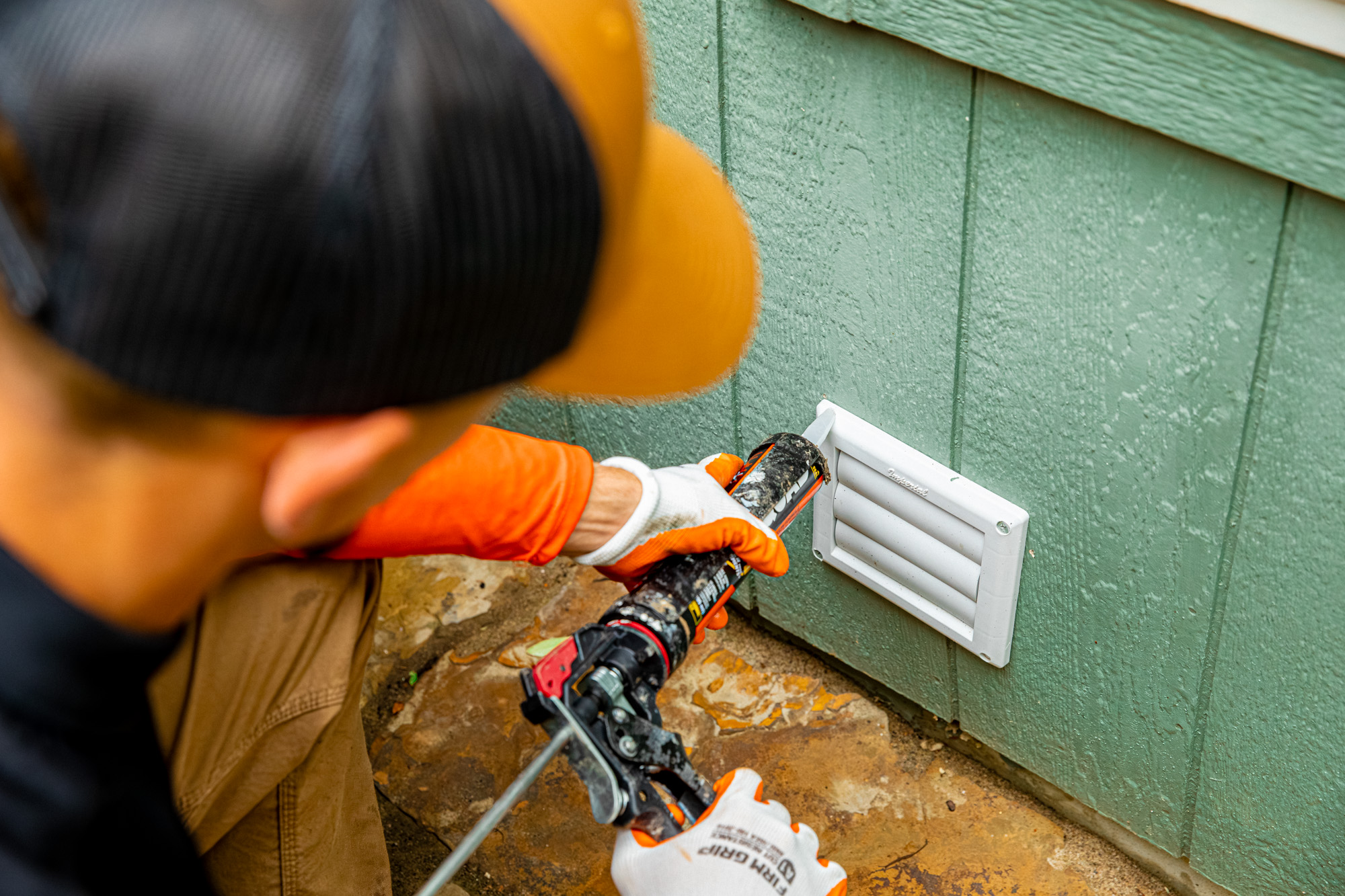
For more established activity, we may use protected interior stations and seal smaller openings where rodents are getting through, helping limit access without creating new issues inside the home.


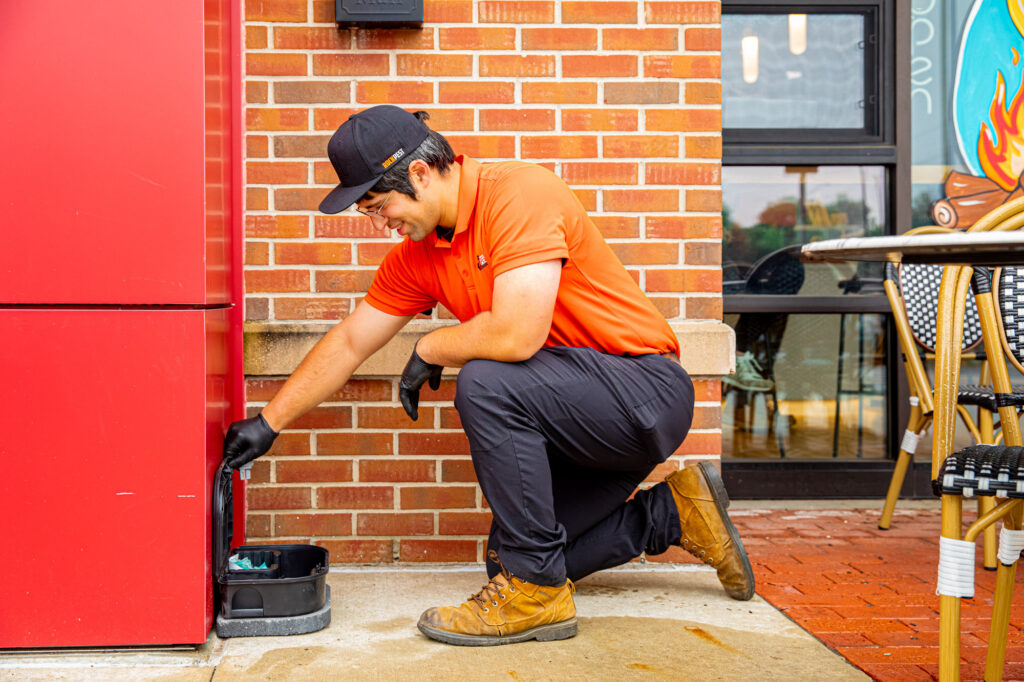
Rodents follow walls, reuse openings, and move through hidden areas. We set traps and stations along those same paths so the approach lines up with how they’re actually moving.
We work in the areas where activity happens without disrupting the rest of your space. The goal is to handle the problem without creating new issues inside the home.
Rodent issues don’t always resolve in one visit. We follow up, adjust traps, and keep pressure on the problem. That way, it stops the rodents in their place.
Rodent Control
Frequently Asked Questions
Most rodent issues start improving within about a week, but full control usually takes a few visits. We monitor activity and continue follow-ups to handle the problem completely. With rodent pest control in Kansas City, that ongoing process is what keeps activity from returning.
Yes. When your technician uses bait, it’s always placed inside secured stations so pets and non-target animals can’t access it. Inside the home, our team often relies on strategically placed traps instead of loose bait to reduce unnecessary exposure in living areas. That approach is a key part of how we safely handle rodent pest control in Kansas City.
Most situations take 2 to 3 visits to fully address. We typically recommend a follow-up within the first 30 days, then continue service as needed to stay ahead of activity. For rodent pest control in Kansas City, that consistency is what helps us keep small problems from turning into ongoing ones.
Take Back
Your Home
Get reliable pest control in Kansas City from a team that shows up, follows through, and keeps your home protected year-round.